

Photos: Vesperal Vertigo, CC0 · procsilas, CC BY 2.0 · Kitetraveller.com from Vienna, Austria, CC BY-SA 2.0 · Elena Tatiana Chis, CC BY-SA 4.0 · Johannes K Becker, CC BY-SA 3.0 · Michal Osmenda from Brussels, Belgium, CC BY-SA 2.0
About
This is the classic two-week journey through Morocco for travellers flying into Marrakech and home from Casablanca. Instead of returning to where you started, the route keeps moving forward: from the red city into the High Atlas, over the mountains to the kasbahs and gorges of the south, into the Sahara for two nights, north across the Middle Atlas to Fes, up to the blue town of Chefchaouen in the Rif, on to Tetouan and Tangier on the Strait of Gibraltar, and finally down the Atlantic coast through Asilah and Rabat to Casablanca. One private driver stays with you the whole way, licensed guides lead the big city days, and there is a free day in Chefchaouen to slow down in the middle of the trip. The first three days are in and around Marrakech: an evening at Jemaa el-Fna, a guided day of palaces, souks and gardens, and a walk with a mountain guide through the Berber villages below Jebel Toubkal. Then you cross the Tizi n'Tichka pass and spend the night at Ait Ben Haddou, so you see the ksar at sunset rather than at midday with the crowds. The road east follows the Road of a Thousand Kasbahs and the Dades and Todra gorges to Merzouga, where a camel trek takes you to a camp in the Erg Chebbi and the next day is spent entirely in the desert. From the dunes you drive north to Fes for a full guided day in the medieval medina, then on to Chefchaouen for two nights, Tangier for one and Rabat for one before your drop-off in Casablanca. AT A GLANCE • Duration: 14 days, 13 nights • Start: Marrakech (airport or riad) – Finish: Casablanca (airport, station or hotel) • Type: private tour with your own driver; licensed guides in Marrakech and Fes, a mountain guide in the Atlas and a local guide in Ait Ben Haddou • Total distance: about 2,300 km; the longest drives are Merzouga–Fes (about 470 km) and Dades–Merzouga (about 300 km with the Todra stop) • Nights: Marrakech 3, Ait Ben Haddou 1, Dades 1, Merzouga 2 (desert camp + Merzouga), Fes 2, Chefchaouen 2, Tangier 1, Rabat 1 • Meals: breakfast daily; dinner from Ait Ben Haddou to Merzouga (Days 4–7) • Activity level: easy to moderate; the Atlas walk is about 3 hours and can be shortened WHAT YOU SEE • Marrakech: the Koutoubia, Bahia Palace, Saadian Tombs, the souks, the Majorelle Garden and Jemaa el-Fna. • The Imlil valley and the village of Aroumd under Jebel Toubkal, North Africa's highest peak (4,167 m). • Ait Ben Haddou at sunset, Ouarzazate, Skoura and the Valley of Roses. • The Dades valley and the Todra gorge. • The Erg Chebbi dunes: a camel trek, a night in camp, nomads and Gnawa music in Khamlia. • The Ziz valley, the cedar forest of the Middle Atlas and its Barbary macaques, and Ifrane. • Fes el-Bali with its madrasas, the Qarawiyyin and the Chouara tannery. • Chefchaouen, the Andalusian medina of Tetouan, Tangier's kasbah and Café Hafa. • Asilah's murals and ramparts, and Rabat's Hassan Tower, Kasbah of the Udayas and Chellah. WHY THIS ROUTE WORKS A one-way route means no day is spent driving back over the same road. The order follows the light and the seasons well: the mountains and the desert come early, when you have the most energy, and the second week is gentler, with shorter drives through the north and along the coast. Sleeping at Ait Ben Haddou instead of passing through, having a whole day in the Sahara and a free day in Chefchaouen are what make this two weeks rather than ten days stretched out. WHO WILL ENJOY IT First-time visitors with two weeks, travellers with open-jaw flights into Marrakech and out of Casablanca, couples, families with children over about eight, walkers who want a taste of the Atlas, and photographers. WHO MIGHT PREFER ANOTHER TOUR If your flights are both from Casablanca, the 14-day ultimate tour from Casablanca makes a loop and adds Essaouira. With ten days, the classic 10-day itinerary from Marrakech to Fes covers the south and the desert without the north. PRACTICAL INFORMATION Pack for mountains, desert and coast: warm layers for the Atlas and desert nights (near freezing in winter), sun protection, a light rain jacket for the Rif from November to April, and good shoes for the medinas and the Atlas trail. Spring (March to May) and autumn (September to November) are ideal; in July and August the south is very hot and we start the drives early. Entrance fees, lunches, most dinners and tips are not included; most sites cost 30 to 120 dirhams. Tell us your flight times so the first and last days fit them.
from €1,295 per person
Select date and travelers
Duration
14 days
Starts in
Marrakech
Ends in
Marrakech
Private tourOnly your group, with your own driver and vehicle. Your booking is confirmed straight away.
Free cancellationFull refund if canceled up to 24 hours before the start of the experience (local time)
Reserve now and pay laterReserve your spot while maintaining flexibility.
Lowest price guaranteedFound a lower price online? We'll refund the difference.
Included
Everything included in your package
Standard
Private tour
- Pick-up and drop-off at your hotel or riad
- Private air-conditioned vehicle for the whole trip
- Professional English or French-speaking driver
- Comfortable hotels or riads with private bathroom
- Daily breakfast and dinner
- Bottled water during the trip
LuxuryUpgrade
Private tour
- Pick-up and drop-off at your hotel or riad
- Private premium vehicle for the whole trip
- Professional English or French-speaking driver
- Charming riads, boutique hotels and luxury desert camp
- Daily breakfast and dinner
- Bottled water and snacks during the trip
- Flexible departure times
Itinerary: 14 days, day by day
Highlights
- Jemaa el-Fna
- Bahia Palace
- Majorelle Garden
- Imlil
- Ait Ben Haddou
- Taourirt Kasbah
- Valley of Roses
- Todra Gorge
| Day | Route | Overnight | On the road |
|---|---|---|---|
| 1 | Arrival in Marrakech | Marrakech | — |
| 2 | Guided day in Marrakech | Marrakech | — |
| 3 | Marrakech - Imlil | Imlil | 70 km · 1 h |
| 4 | Imlil - Ait Ben Haddou | Ait Ben Haddou | 100 km · 1.5 h |
| 5 | Ait Ben Haddou - Boumalne Dades | Boumalne Dades | 150 km · 2 h |
| 6 | Boumalne Dades - Todra Gorge - Merzouga | Merzouga | 270 km · 4 h |
| 7 | A day in the Sahara | Merzouga | — |
| 8 | Merzouga - Fes | Fes | 440 km · 6.5 h |
| 9 | Guided day in Fes | Fes | — |
| 10 | Fes - Chefchaouen | Chefchaouen | 170 km · 2.5 h |
| 11 | Free day in Chefchaouen | Chefchaouen | — |
| 12 | Chefchaouen - Tangier | Tangier | 110 km · 1.5 h |
| 13 | Tangier - Rabat | Rabat | 280 km · 4 h |
| 14 | Rabat - Casablanca | — | 110 km · 1.5 h |
Day 1: Arrival in Marrakech
What to expect: arrival in Marrakech, a rest at your riad and a first evening in the square of Jemaa el-Fna. Your driver meets you at Marrakech Menara airport and takes you to your riad in or near the medina; cars cannot enter the lanes, so a porter helps with your luggage for the last few minutes on foot. After settling in and a mint tea on the patio, walk to Jemaa el-Fna in the late afternoon. As the sun goes down the square changes: the orange-juice carts and snake charmers give way to rows of food stalls with smoking grills, Gnawa musicians, storytellers and acrobats. Climb to a café terrace for the view over the square and the Koutoubia minaret, then eat at the stalls: harira soup, grilled kebabs, snail broth for the curious, and fresh orange juice for a few dirhams. SCHEDULE (times are estimates) Arrival – Airport pick-up and transfer to your riad. 17:00 – Walk to Jemaa el-Fna (about 10–15 minutes from most riads). 18:00 – Sunset from a café terrace, then dinner at the food stalls. GOOD TO KNOW • Keep small change for the square; performers and people with animals expect a tip if you take a photo. • At the food stalls, choose busy ones and agree the price of each dish before ordering. INCLUDED: airport transfer, riad with breakfast. NOT INCLUDED: dinner, tips. Overnight: riad in Marrakech. Meals: none (breakfast the next morning).
Jemaa el-Fna
Duration: Evening
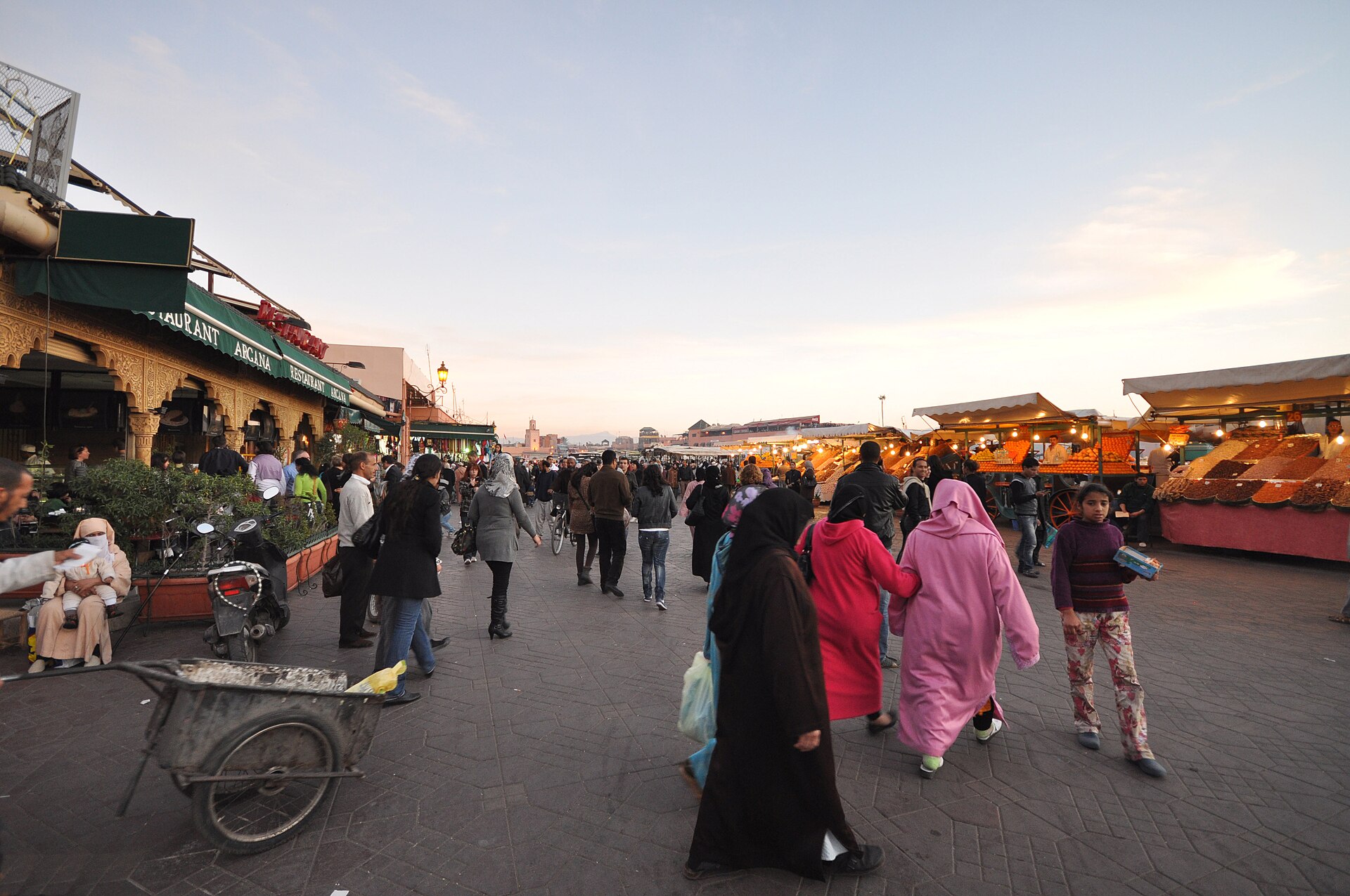
The great square of Marrakech, listed by UNESCO for its storytellers and performers. Practical: agree prices before photographing performers.
Day 2: Guided day in Marrakech
What to expect: a full day in Marrakech with a licensed guide – mosque, palaces, tombs, souks and the Majorelle Garden. Your guide meets you at your riad after breakfast. Start at the Koutoubia, whose 77 m minaret from the 12th century set the model for the great towers of Seville and Rabat. Walk to the Bahia Palace, built in the late 19th century for a grand vizier, with courtyards of orange trees and painted cedar ceilings, then to the Saadian Tombs, the burial place of a 16th-century dynasty walled up for centuries and rediscovered in 1917. Late morning is for the souks: spices, leather, metal lanterns and carpets, each trade in its own lane, and the dyers' souk hung with skeins of coloured wool. After lunch your driver takes you to the Majorelle Garden, laid out by the painter Jacques Majorelle and later saved by Yves Saint Laurent, with its cacti, bamboo and electric-blue villa. Return to Jemaa el-Fna for the evening. SCHEDULE (times are estimates) 09:00 – Koutoubia and Bahia Palace (about 1.5 hours). 11:00 – Saadian Tombs (about 45 minutes). 12:00 – The souks with your guide. 13:30 – Lunch (not included). 15:00 – Majorelle Garden (about 1 hour). 17:00 – Free time; Jemaa el-Fna at sunset. GOOD TO KNOW • Majorelle sells timed tickets online and sells out in high season; we book yours when you confirm. • The Saadian Tombs are small and busy at midday; we go early. INCLUDED: licensed guide, driver for the transfers, riad with breakfast. NOT INCLUDED: entrance fees, lunch, tips. Overnight: riad in Marrakech. Meals: breakfast.
Bahia Palace
Duration: About 1 hour
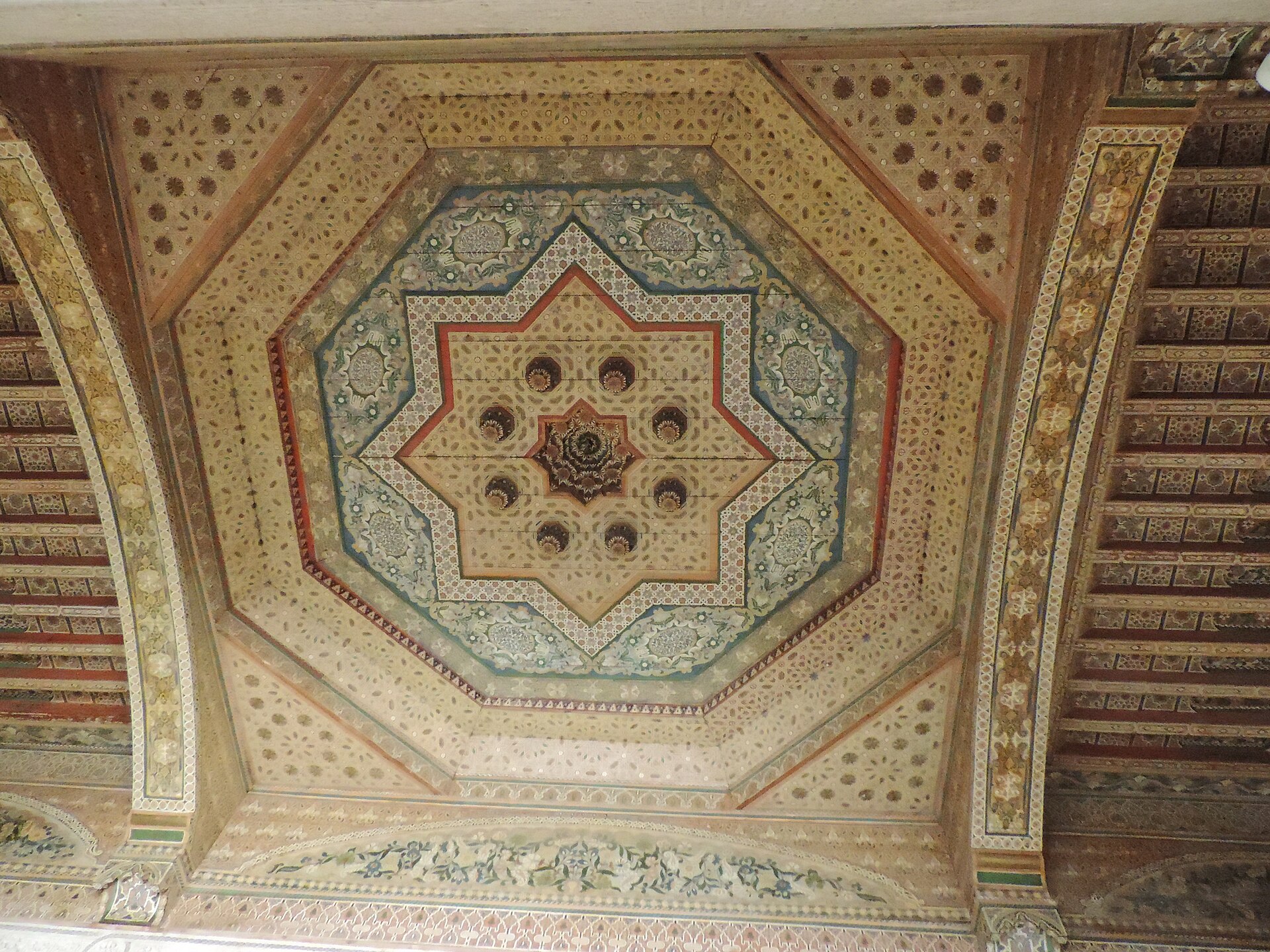
A 19th-century palace of courtyards, zellige and painted cedar ceilings. Practical: busy late morning.
Majorelle Garden
Duration: About 1 hour
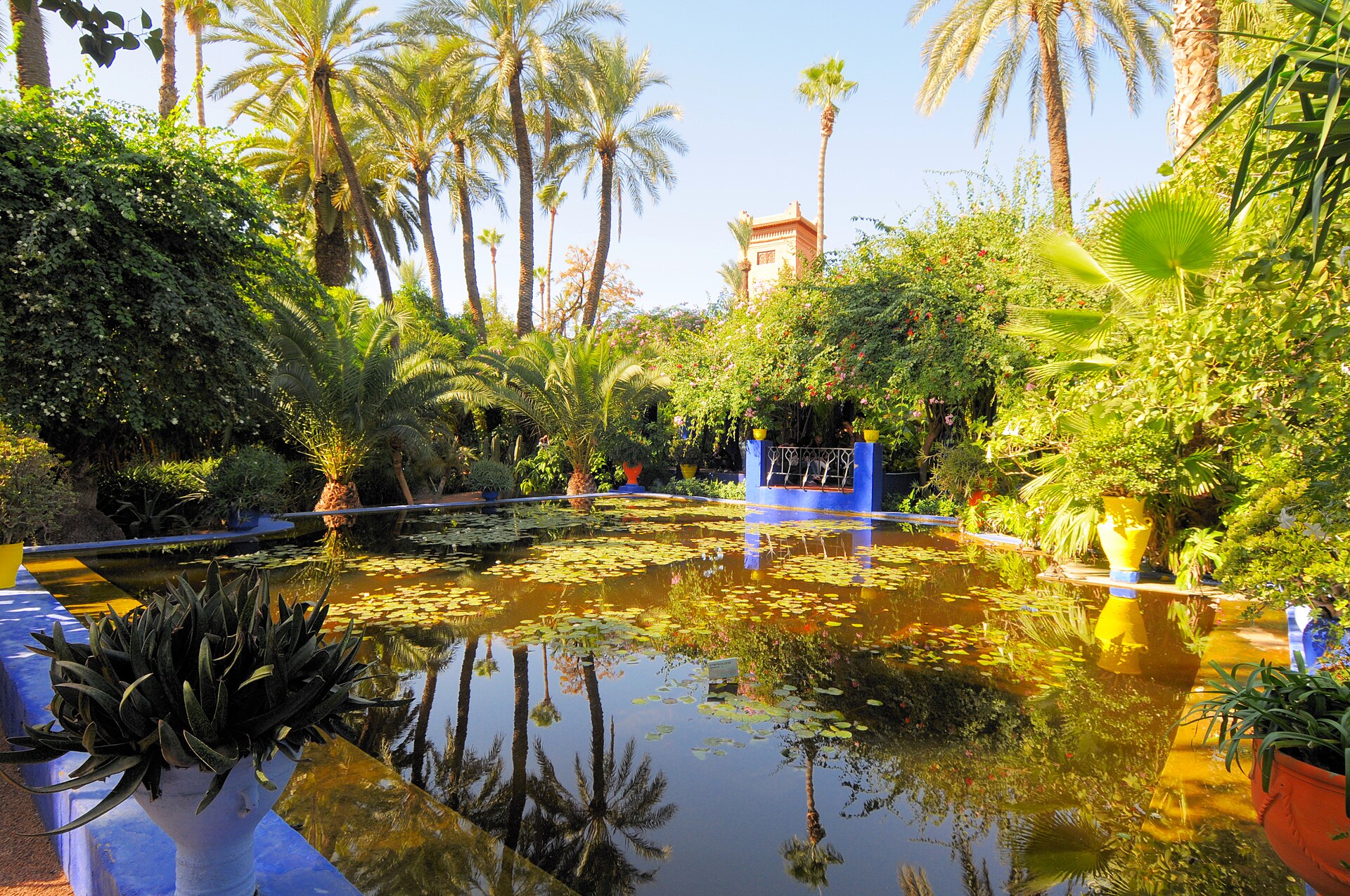
Jacques Majorelle's garden, restored by Yves Saint Laurent. Practical: timed tickets.
Day 3: High Atlas
About 70 km · 1 h on the road
What to expect: a day in the High Atlas – a walk with a mountain guide from Imlil through walnut orchards to the village of Aroumd, under the peaks of Toubkal National Park. The road climbs out of the Marrakech plain past Asni and its Saturday souk, into the valley of Imlil at about 1,740 m, the starting point for treks to Jebel Toubkal (4,167 m), the highest summit in North Africa. Your mountain guide, who lives in the valley, leads a walk of about three hours on mule tracks between terraced fields, walnut and cherry trees and irrigation channels to Aroumd, a village of stone and earth houses at around 1,900 m on a spur above the valley. Lunch is in a village house – usually a tagine and salads with bread – with a view of the snow on the peaks for much of the year. Walk back down by another path along the river and its small waterfalls, and return to Marrakech in the late afternoon. SCHEDULE (times are estimates) 08:30 – Depart Marrakech (about 1.5 hours). 10:00 – Arrive in Imlil; meet your mountain guide. 10:30 – Walk to Aroumd (about 1.5 hours up). 13:00 – Lunch in a village house (not included). 14:30 – Walk back to Imlil by another path. 17:30 – Back at your riad in Marrakech. GOOD TO KNOW • Wear walking shoes and bring a warm layer: it is often 10 °C cooler than Marrakech. • The walk can be shortened to a flat valley loop; a mule can carry anyone who gets tired. INCLUDED: vehicle and driver, mountain guide, riad with breakfast. NOT INCLUDED: lunch, tips. Overnight: riad in Marrakech. Meals: breakfast.
Imlil
Duration: Day
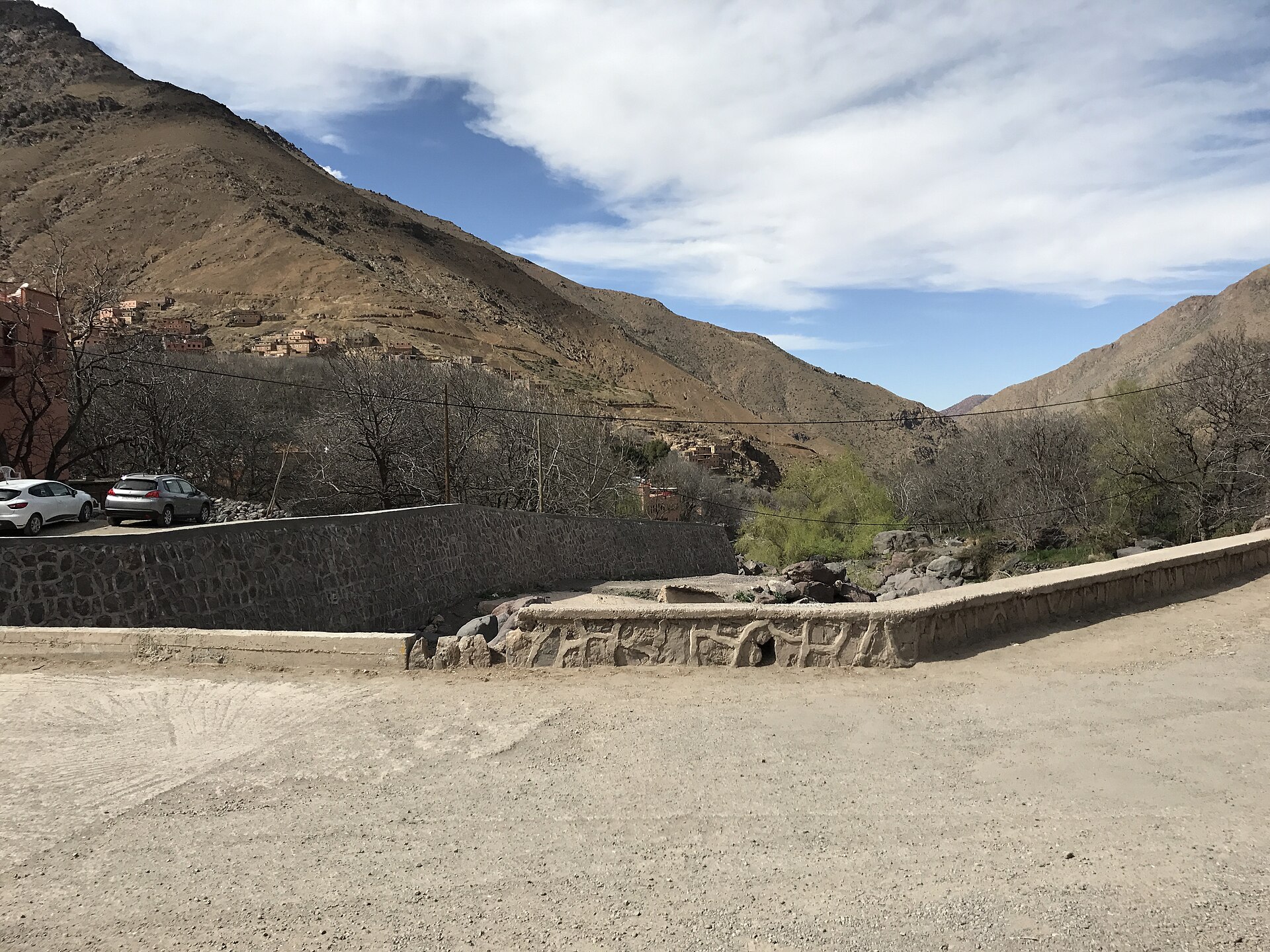
Village at 1,740 m below Toubkal. Practical: walking shoes.
Day 4: Over the Atlas to Ait Ben Haddou
About 100 km · 1.5 h on the road
What to expect: over the High Atlas by the Tizi n'Tichka pass to Ait Ben Haddou, with an afternoon walk through the ksar and the sunset from the top. Today's drive is short on purpose. The road leaves Marrakech and climbs through red earth villages and oak and juniper woods to the Tizi n'Tichka, at about 2,260 m the highest main road pass in Morocco, with views back over the folds of the mountains. On the south side the landscape turns dry and mineral. You turn off for Telouet if you wish, then reach Ait Ben Haddou in the early afternoon. This ksar of earthen houses and towers stacked up a hill above the Ounila river has been a UNESCO World Heritage Site since 1987 and appears in many films. In the late afternoon, when the day visitors have left, a local guide walks you across the river and up through the lanes to the old granary at the top for the sunset over the valley. SCHEDULE (times are estimates) 09:00 – Pick-up at your riad. 11:30 – Tizi n'Tichka pass and viewpoints. 14:00 – Arrival in Ait Ben Haddou; lunch (not included). 16:30 – Guided walk through the ksar and sunset from the granary. 19:30 – Dinner at your hotel. GOOD TO KNOW • The pass road has many bends; take motion sickness tablets if you need them. • The climb to the granary is steep in places and has uneven steps. INCLUDED: vehicle and driver, local guide in Ait Ben Haddou, hotel with dinner and breakfast. NOT INCLUDED: lunch, drinks, tips. Overnight: hotel or kasbah guesthouse in Ait Ben Haddou. Meals: breakfast, dinner.
Ait Ben Haddou
Duration: About 2 hours
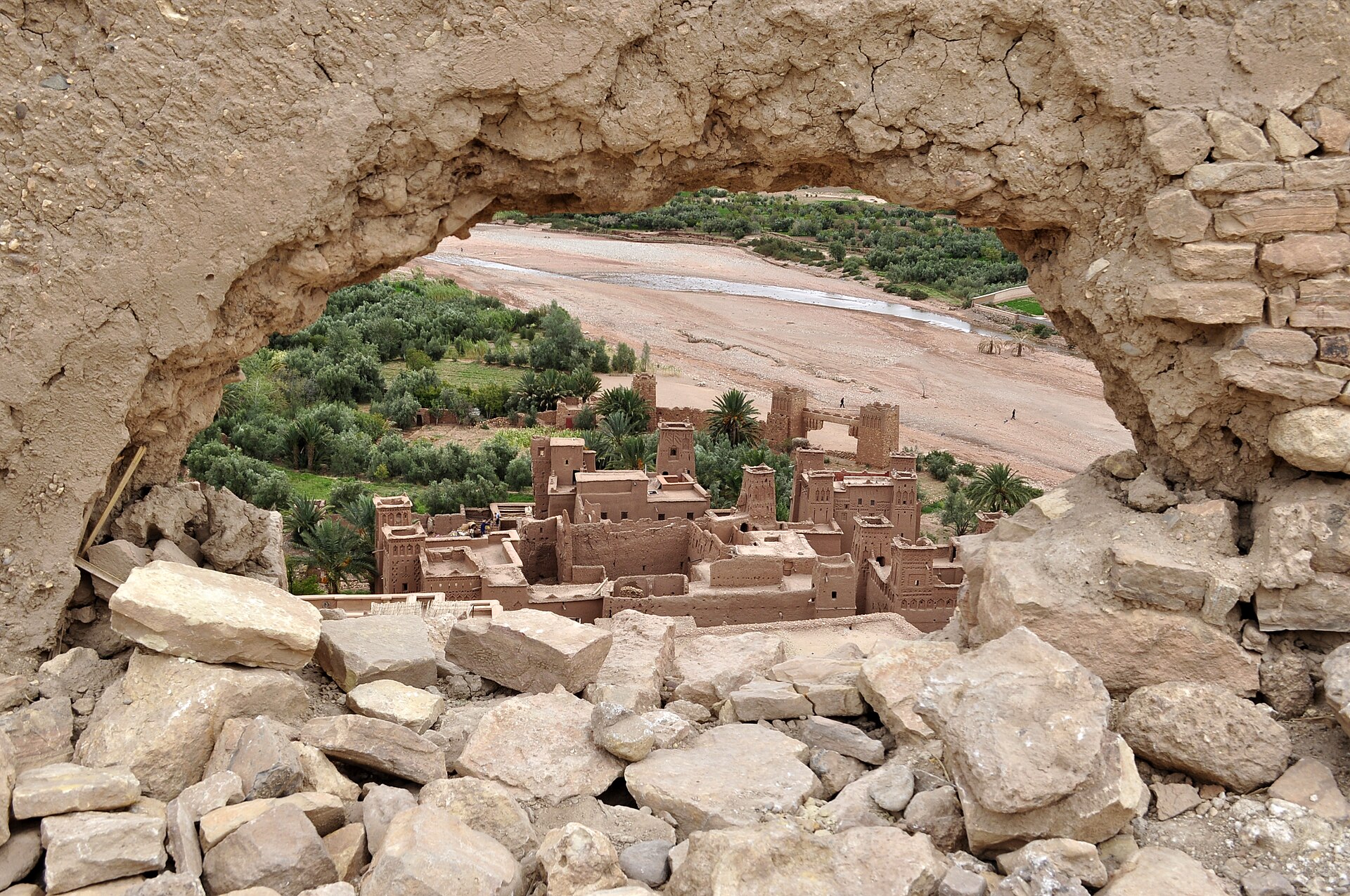
A UNESCO ksar used in many films. Practical: the granary at the top has the best view.
Day 5: Kasbahs to the Dades
About 150 km · 2 h on the road
What to expect: the Road of a Thousand Kasbahs – Ouarzazate, the palm grove of Skoura and the Valley of Roses – to a night in the Dades valley. In Ouarzazate, about half an hour away, visit the Kasbah Taourirt, a sprawling earthen residence of the Glaoui family with painted ceilings in its upper rooms. The road east runs between the High Atlas and the Jebel Saghro past a line of kasbahs and ksour. In the palm grove of Skoura you walk to the Kasbah Amridil, a 17th-century fortified house with its tower rooms and the tools of daily life still in place. At Kelaat M'Gouna, in the Valley of Roses, small Damask roses are picked in spring and distilled into rose water; the cooperatives sell it all year. In the late afternoon you turn north at Boumalne into the Dades valley, past the rounded red rocks called the 'monkey fingers', to your hotel above the river. SCHEDULE (times are estimates) 09:00 – Ouarzazate: Kasbah Taourirt (about 1 hour). 11:00 – Skoura palm grove and Kasbah Amridil (about 1 hour). 13:00 – Lunch (not included). 15:00 – Kelaat M'Gouna and the Valley of Roses. 17:00 – Dades valley; hotel and dinner. GOOD TO KNOW • The rose harvest is late April and May; the town's rose festival is held in May. • If you love films, the Atlas studios in Ouarzazate can be added in the morning. INCLUDED: vehicle and driver, hotel with dinner and breakfast. NOT INCLUDED: entrance fees, lunch, tips. Overnight: hotel in the Dades valley. Meals: breakfast, dinner.
Taourirt Kasbah
Duration: About 45 minutes
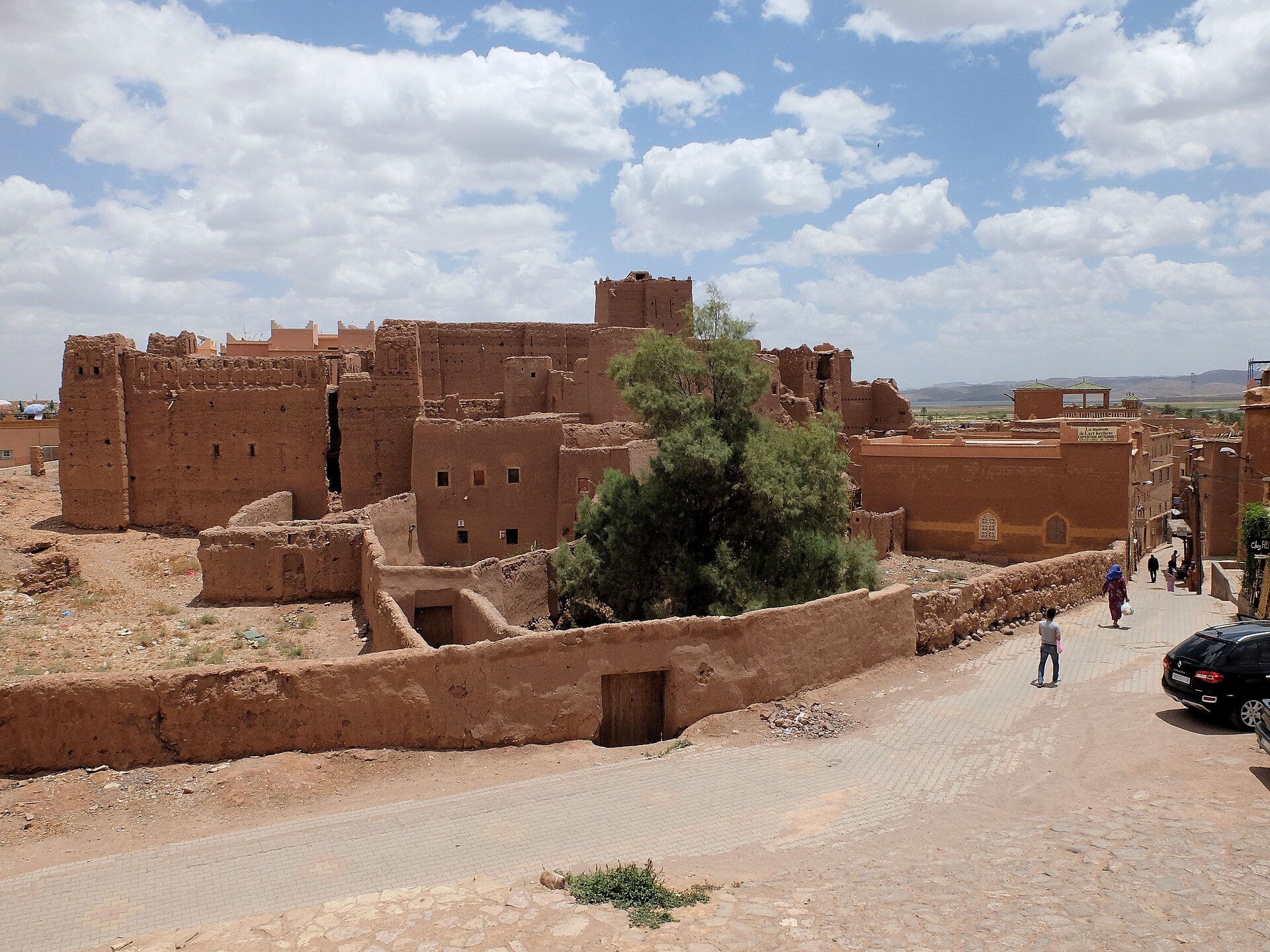
The Glaoui family's earthen palace in Ouarzazate. Practical: entrance fee.
Valley of Roses
Duration: About 20 minutes
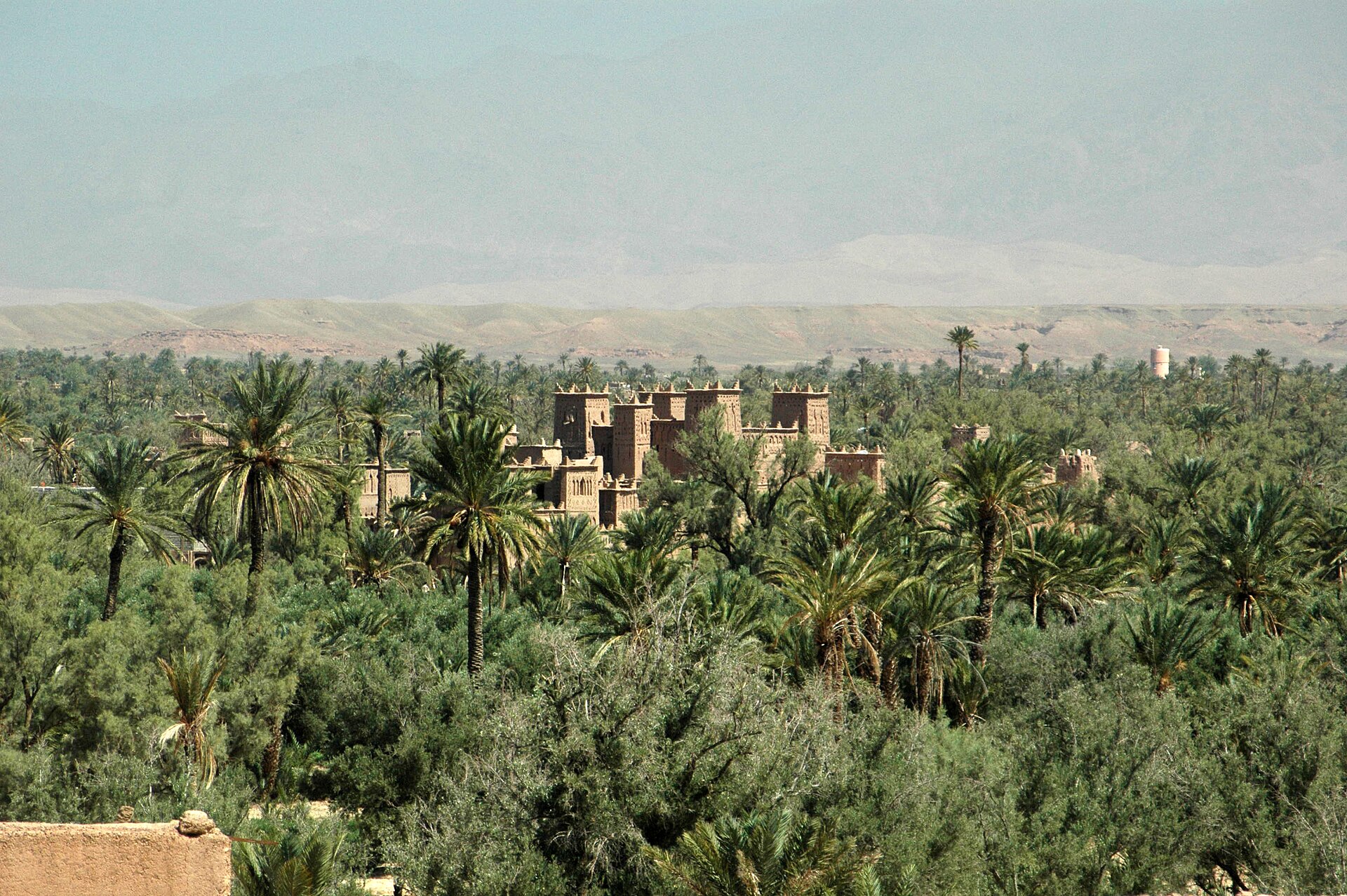
Rose hedges and distilleries, in bloom in May. Practical: rose water is a good souvenir.
Day 6: Todra Gorge to Merzouga
About 270 km · 4 h on the road
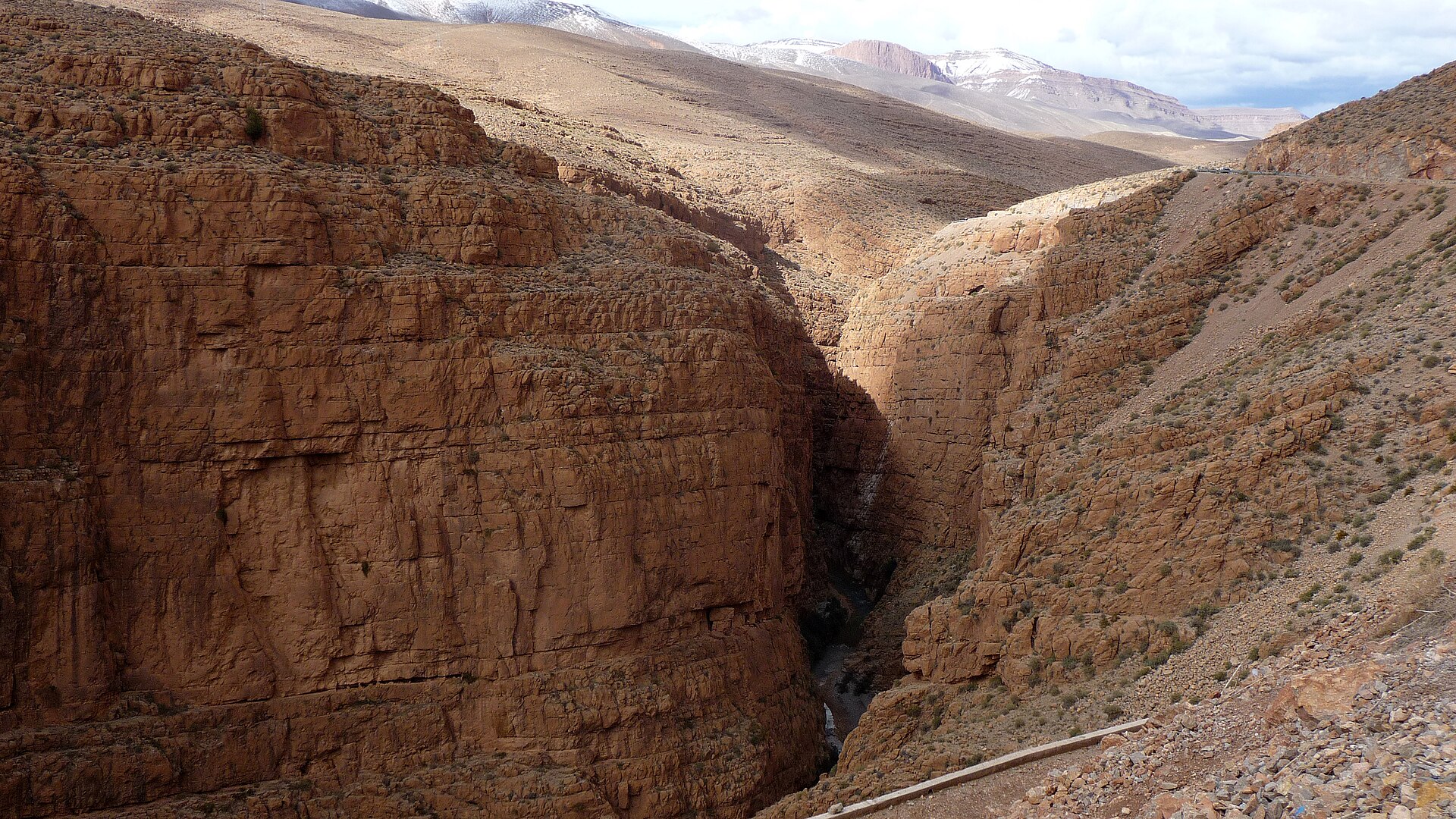
What to expect: a walk through the Todra gorge in the morning, the oases of the Tafilalet, and a camel trek into the Erg Chebbi dunes for sunset and a night in a desert camp. Before leaving the Dades, drive a few kilometres up the valley to the hairpin road of Tisdrine for the view. Then head east to Tinghir and its long palm grove, and into the Todra gorge, where the walls rise about 300 m and the passage narrows to around ten metres. Walk along the clear stream through the narrowest part, where climbers often work on the walls. The road continues across stony plains, past the khettaras – lines of wells that mark underground water channels – to Erfoud, known for its dates and fossils. By late afternoon you reach the edge of the dunes near Merzouga. Leave your large luggage in the vehicle, mount your camel and ride into the Erg Chebbi as the sand turns orange, climb a dune for the sunset and arrive at your camp for dinner, music by the fire and the stars. SCHEDULE (times are estimates) 08:30 – Depart the Dades valley; Tisdrine viewpoint. 10:00 – Todra gorge walk (about 1 hour). 12:30 – Lunch in Tinghir or Tinejdad (not included). 14:30 – Erfoud; fossil workshop (optional). 16:30 – Camel trek into the dunes (about 1.5 hours). 18:30 – Sunset and dinner at the desert camp. GOOD TO KNOW • Pack a small bag for the night: toothbrush, warm layer, torch. • Camps with private bathrooms in each tent are available on request. INCLUDED: vehicle and driver, camel trek, desert camp with dinner and breakfast. NOT INCLUDED: lunch, drinks, tips. Overnight: desert camp in the Erg Chebbi. Meals: breakfast, dinner.
Todra Gorge
Duration: About 1 hour
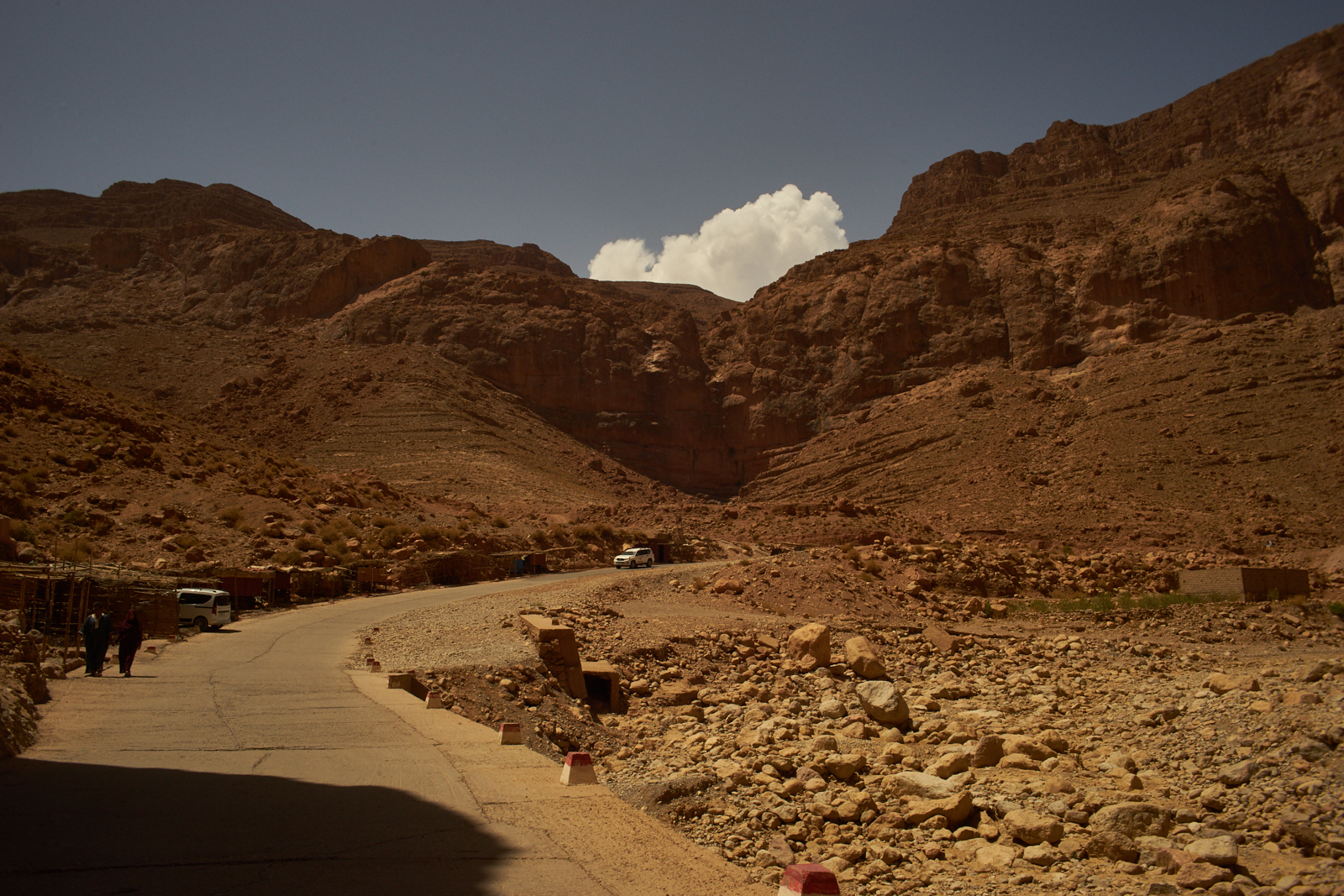
A canyon with walls about 300 m high. Practical: flat walk along the river.
Erg Chebbi camp
Duration: Overnight
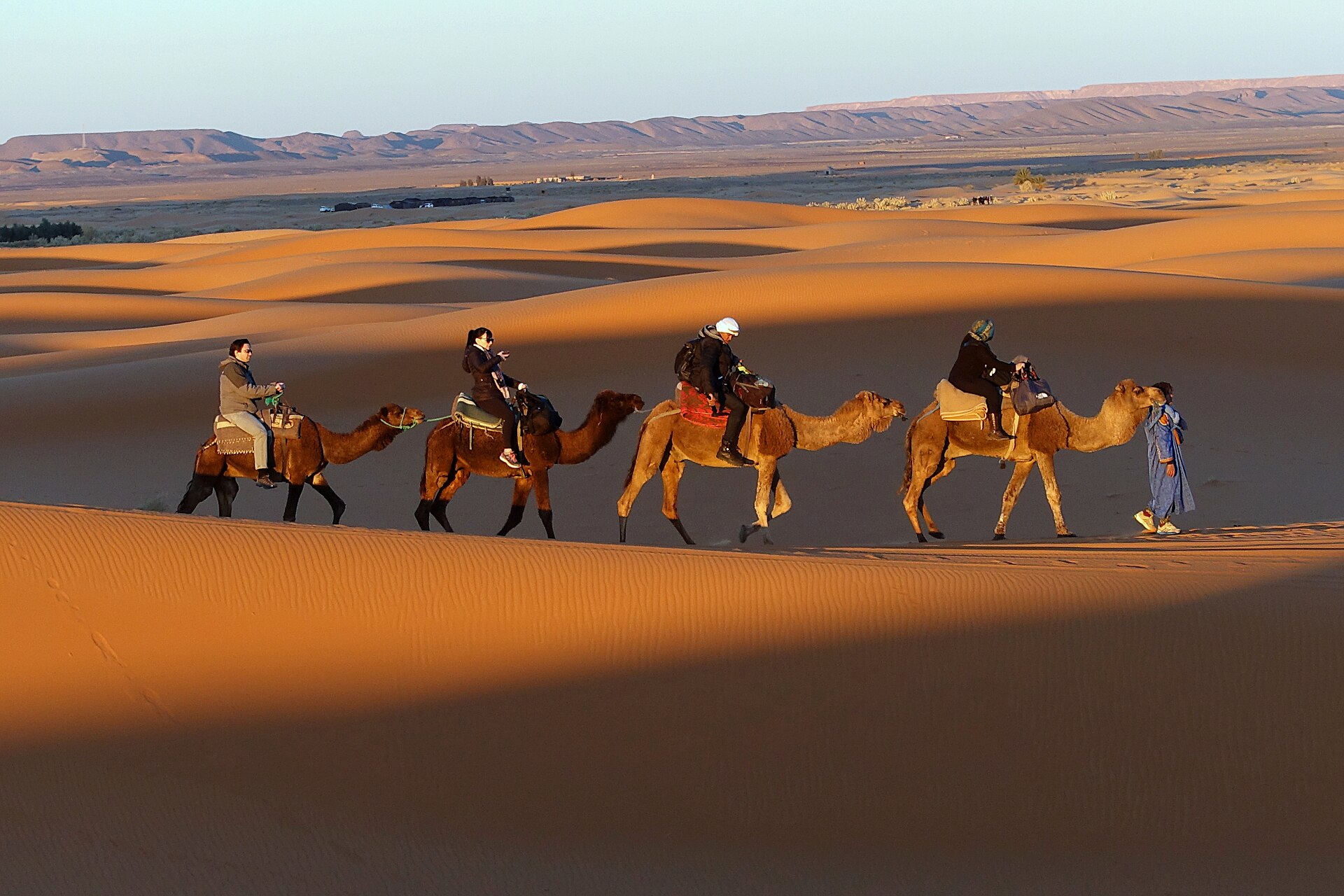
Tents among the dunes, dinner and drums. Practical: small bag only.
Day 7: A day in the Sahara
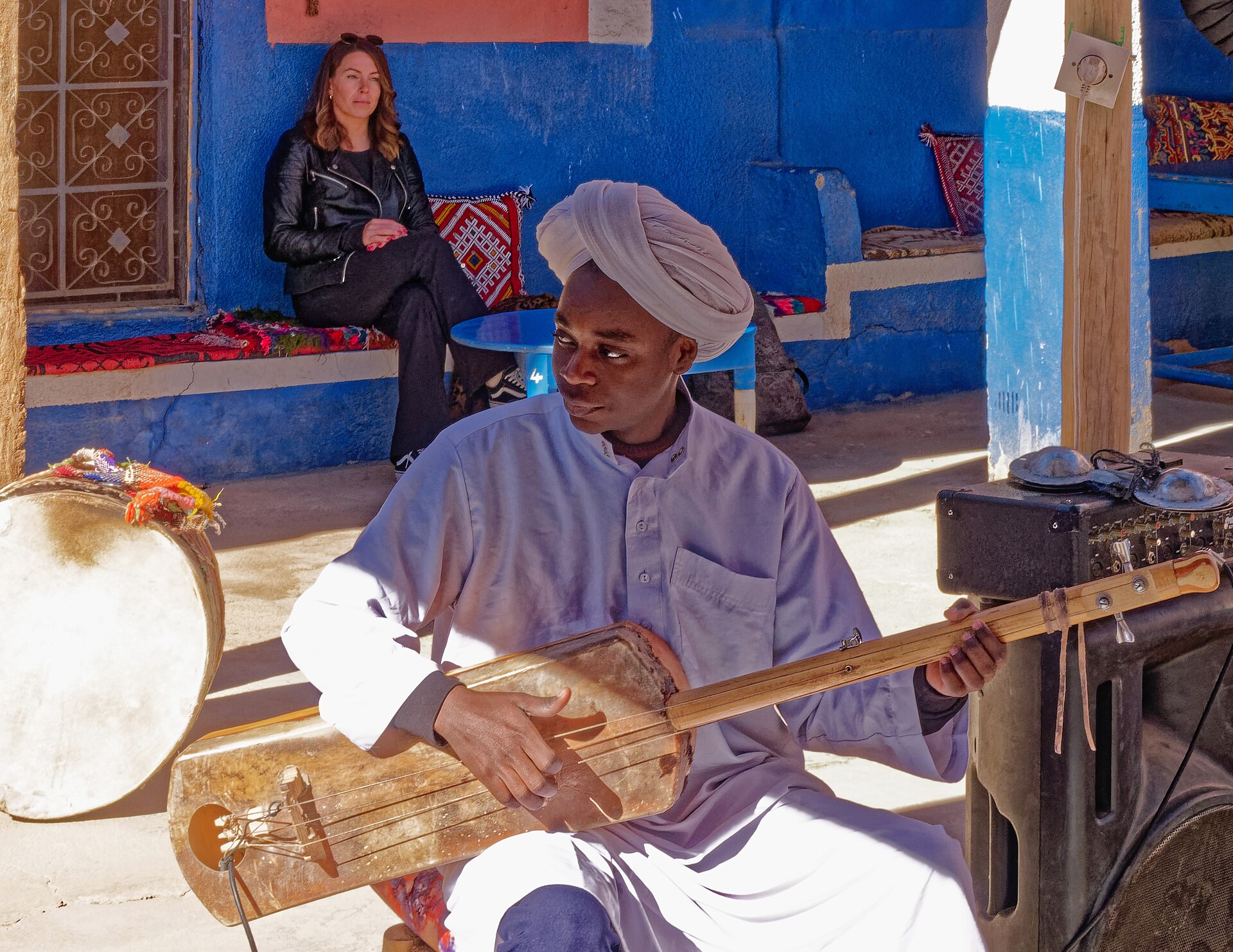
What to expect: a whole day in the Sahara – sunrise on the dunes, a 4x4 loop to a nomad family, the Gnawa village of Khamlia and the fossil quarries, and time to rest before another sunset. Wake before dawn and climb the dune behind the camp to watch the sun rise over the sand sea. After breakfast you ride back out of the dunes and meet your driver for a 4x4 tour around the Erg Chebbi, which stretches about 22 km north to south with crests up to around 150 m. You share tea in the tent of a nomad family and hear how they live with their goats and camels, visit Khamlia, where Gnawa musicians – descendants of people brought across the Sahara – play the guembri and iron qraqeb, and stop at the old mines and fossil beds. In the hot hours you rest at your hotel with its pool or in the shade, then walk or sandboard on the dunes at the end of the day for a second Sahara sunset. SCHEDULE (times are estimates) 06:00 – Sunrise from the dunes. 08:00 – Breakfast at the camp. 09:30 – 4x4 tour: nomad family, Khamlia, fossils (about 3.5 hours). 13:00 – Lunch (not included); rest during the heat. 18:00 – Sunset on the dunes. GOOD TO KNOW • Tonight is at a hotel by the dunes, with a shower and a pool; if you prefer, you can stay a second night at the camp. • Sandboards can be rented at the hotel. INCLUDED: driver and 4x4 tour, hotel with dinner and breakfast. NOT INCLUDED: lunch, drinks, tips. Overnight: hotel by the dunes in Merzouga. Meals: breakfast, dinner.
Khamlia
Duration: About 45 minutes
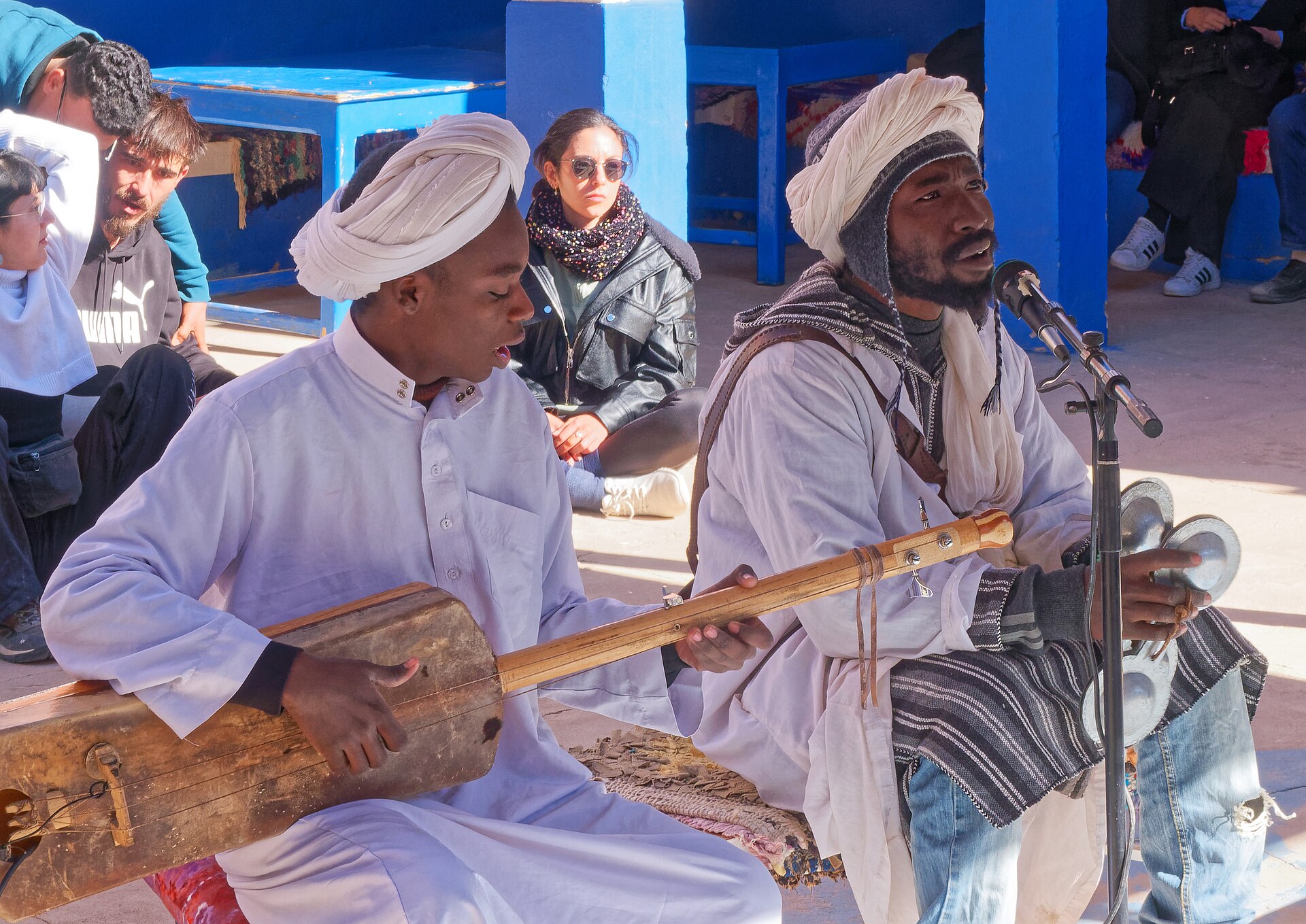
A village of Gnawa musicians. Practical: contribution expected.
Nomad family
Duration: About 45 minutes
Tea in a tent of woven goat hair. Practical: ask before photos.
Day 8: Merzouga to Fes
About 440 km · 6.5 h on the road
What to expect: one last sunrise, then north up the Ziz valley, over the Middle Atlas and through the cedar forest to Fes. If you wish, watch the sun come up over the dunes once more before breakfast. The road north passes Erfoud and Errachidia and enters the Ziz valley, a long green ribbon of palm groves and earthen ksour cut into the desert, with a great viewpoint above the gorges. You cross the Tizi n'Talghemt pass and stop for lunch in Midelt, at the foot of the Jebel Ayachi. The road then climbs to the Middle Atlas, where the cedar forest near Azrou is home to troops of Barbary macaques, and passes Ifrane, a town of sloping roofs built in an alpine style at 1,650 m. You arrive in Fes in the late afternoon and settle into your riad. SCHEDULE (times are estimates) 06:00 – Optional sunrise. 08:00 – Depart Merzouga. 10:00 – Ziz valley viewpoint. 13:00 – Lunch in Midelt (not included). 15:00 – Cedar forest and the macaques. 15:45 – Ifrane. 17:30 – Arrival at your riad in Fes. GOOD TO KNOW • About 470 km; your driver stops whenever you like. • Please do not feed the macaques. INCLUDED: vehicle and driver, riad with breakfast. NOT INCLUDED: lunch, drinks, tips. Overnight: riad in Fes. Meals: breakfast.
Ziz Valley
Duration: About 15 minutes
A palm grove in a red canyon. Practical: dates for sale.
Ifrane
Duration: About 20 minutes
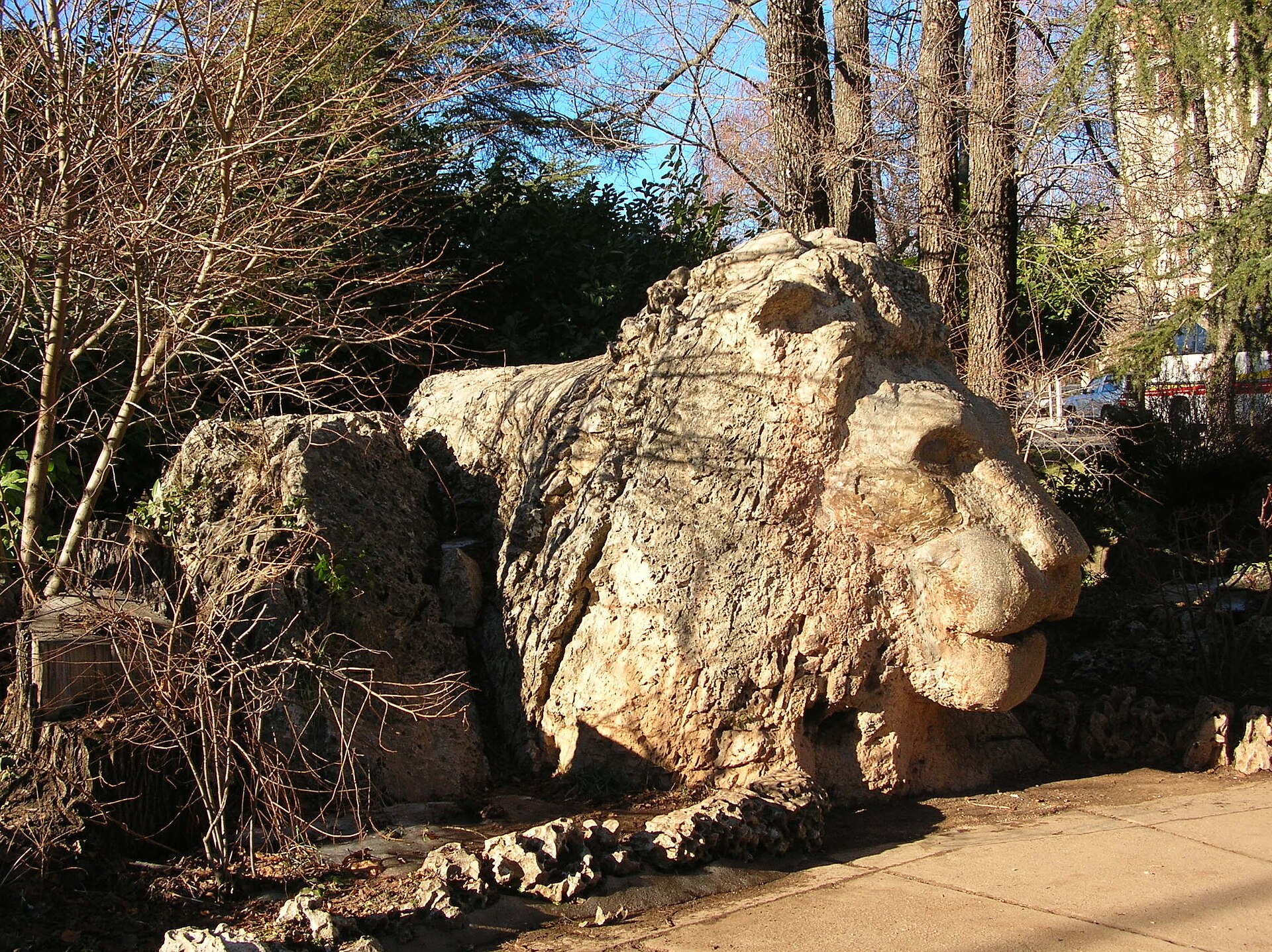
An alpine-style town of the 1930s. Practical: cool.
Day 9: Guided day in Fes
What to expect: a full day in Fes el-Bali, the medieval medina founded in the 9th century, with a licensed guide. Start outside the walls at the golden doors of the Royal Palace and in the Mellah, the old Jewish quarter with its wooden balconies and the Ibn Danan synagogue. Then enter the medina by Bab Boujloud, the blue gate, and visit the Bou Inania madrasa, with its carved cedar, stucco and zellige tiles. Your guide leads you down the Talaa Kebira through the souks – spice sellers, butchers, slipper makers, the coppersmiths' square of Seffarine – to the Qarawiyyin, founded in 859 by Fatima al-Fihri, whose courtyard you see from the doors, and to the Attarine madrasa next door. The day ends on a terrace above the Chouara tannery, where hides are still dyed in stone vats as they have been for centuries. SCHEDULE (times are estimates) 09:00 – Royal Palace gates and the Mellah (about 1 hour). 10:00 – Bab Boujloud and the Bou Inania madrasa. 11:30 – The souks. 13:00 – Lunch (not included). 14:30 – Qarawiyyin and the Attarine madrasa. 15:30 – Chouara tannery terraces. GOOD TO KNOW • The tannery smells strong: the shops give you a sprig of mint. • The Qarawiyyin mosque is closed to non-Muslims. WHAT YOU'LL TASTE Pastilla, the sweet and savoury pie of Fes, bissara (bean soup) for breakfast and honey pastries from the medina's bakeries. INCLUDED: licensed guide, riad with breakfast. NOT INCLUDED: entrance fees, lunch, tips. Overnight: riad in Fes. Meals: breakfast.
Bou Inania madrasa
Duration: About 30 minutes
A 14th-century school of carved cedar and zellige. Practical: entrance fee.
Chouara tannery
Duration: About 30 minutes
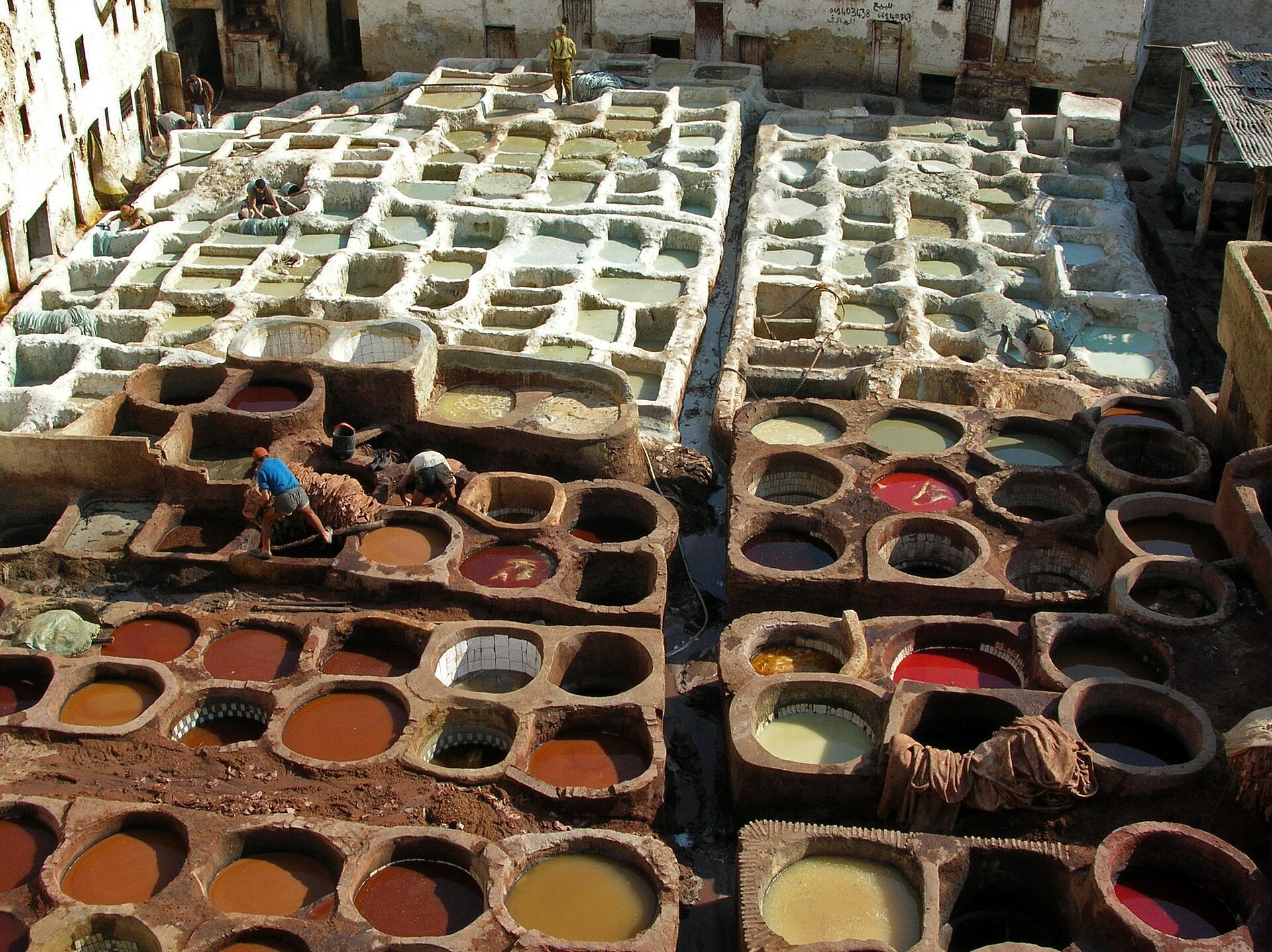
Centuries-old dye pits seen from a terrace. Practical: strong smell.
Day 10: Fes to Chefchaouen
About 170 km · 2.5 h on the road
What to expect: north through olive groves and the Rif foothills to Chefchaouen, with an afternoon in the blue medina and sunset at the Spanish Mosque. The drive to Chefchaouen takes about three and a half hours through rolling farmland and olive groves, past Ouezzane and into the Rif mountains. Chefchaouen was founded in 1471 on the slopes of the Jebel Kelaa and became a refuge for Muslims and Jews from Andalusia; its lanes, washed in shades of blue, are one of Morocco's best-known sights. After lunch on the Outa el-Hammam square, explore the kasbah and its garden, the Ras el-Maa spring and the stepped alleys of the Souika quarter. In the late afternoon walk up the path to the Spanish Mosque, about 30 minutes, for the sunset over the town. SCHEDULE (times are estimates) 09:00 – Depart Fes. 12:30 – Arrival in Chefchaouen; lunch (not included). 15:00 – Blue medina and the kasbah. 17:30 – Walk to the Spanish Mosque for sunset. GOOD TO KNOW • Riads are inside the medina; porters carry your luggage from the gate. • Ask before photographing people; many residents prefer not to be photographed. INCLUDED: vehicle and driver, riad with breakfast. NOT INCLUDED: lunch, drinks, tips. Overnight: riad in Chefchaouen. Meals: breakfast.
Chefchaouen
Duration: Afternoon
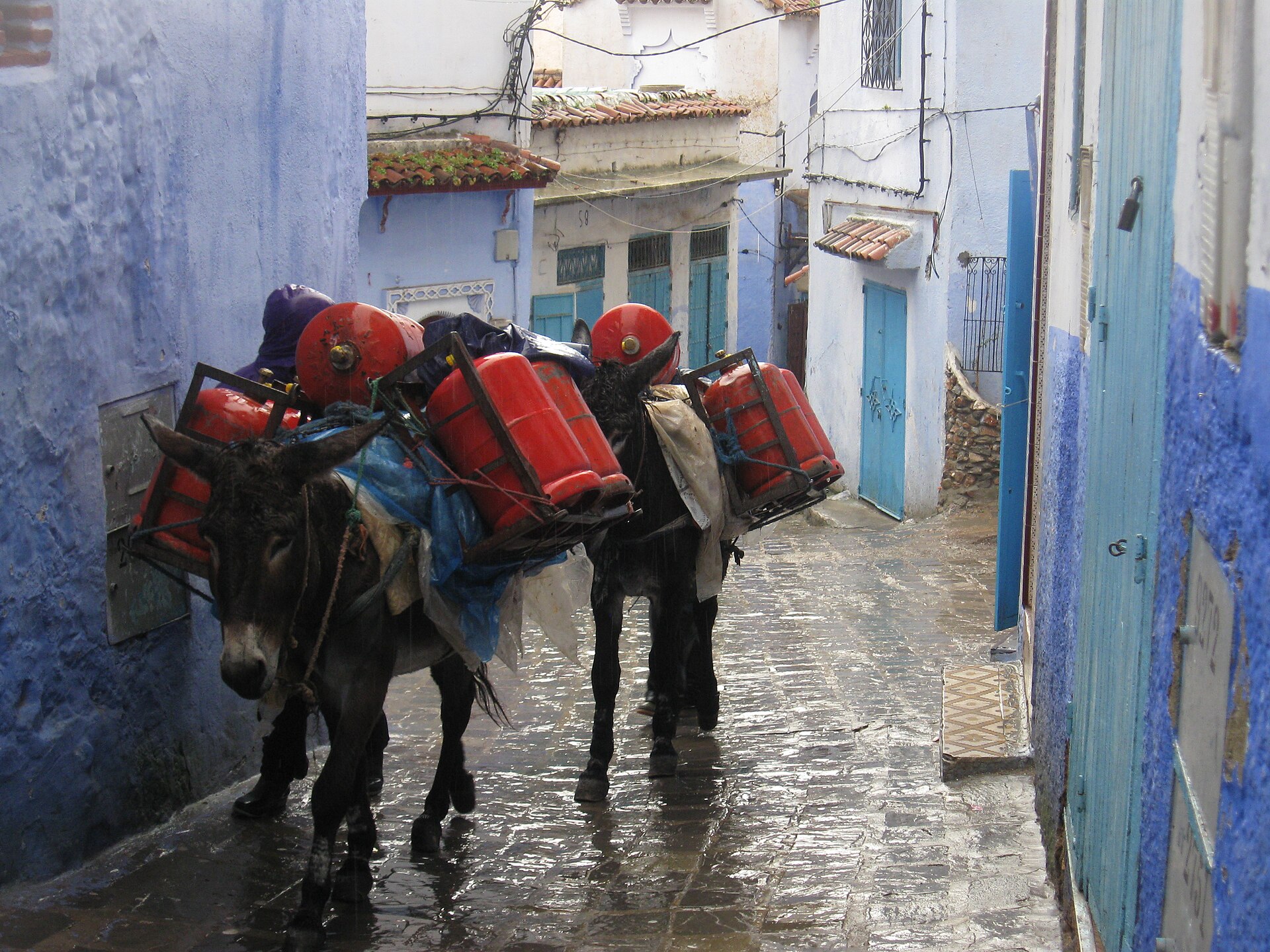
A blue mountain town founded in 1471. Practical: many stairs.
Day 11: Free day in Chefchaouen
What to expect: a free day in Chefchaouen to slow down – wander the lanes, shop for wool and goat cheese, or walk in the hills. This day is yours. Early morning is the best time to photograph the blue lanes before the visitors arrive. The weavers of the medina sell striped wool blankets and the djellabas of the Rif, and the local goat cheese is excellent with bread and olive oil. If you want to walk, a path climbs from the Ras el-Maa spring into the hills of the Talassemtane National Park, with views over the town; your riad can arrange a local guide for a longer hike. Your driver is also available for an optional trip to the Akchour waterfalls, about 45 minutes away, where a trail follows a river to green pools and a natural rock arch. SCHEDULE (times are estimates) Morning – Free time; photography in the empty lanes. Afternoon – Optional hike or excursion to Akchour (ask your driver). GOOD TO KNOW • Akchour is a half or full day; it costs extra only for a guide if you want one. • Many shops close on Friday at midday prayer time. INCLUDED: riad with breakfast. NOT INCLUDED: meals, optional excursions, tips. Overnight: riad in Chefchaouen. Meals: breakfast.
Chefchaouen
Duration: Free day
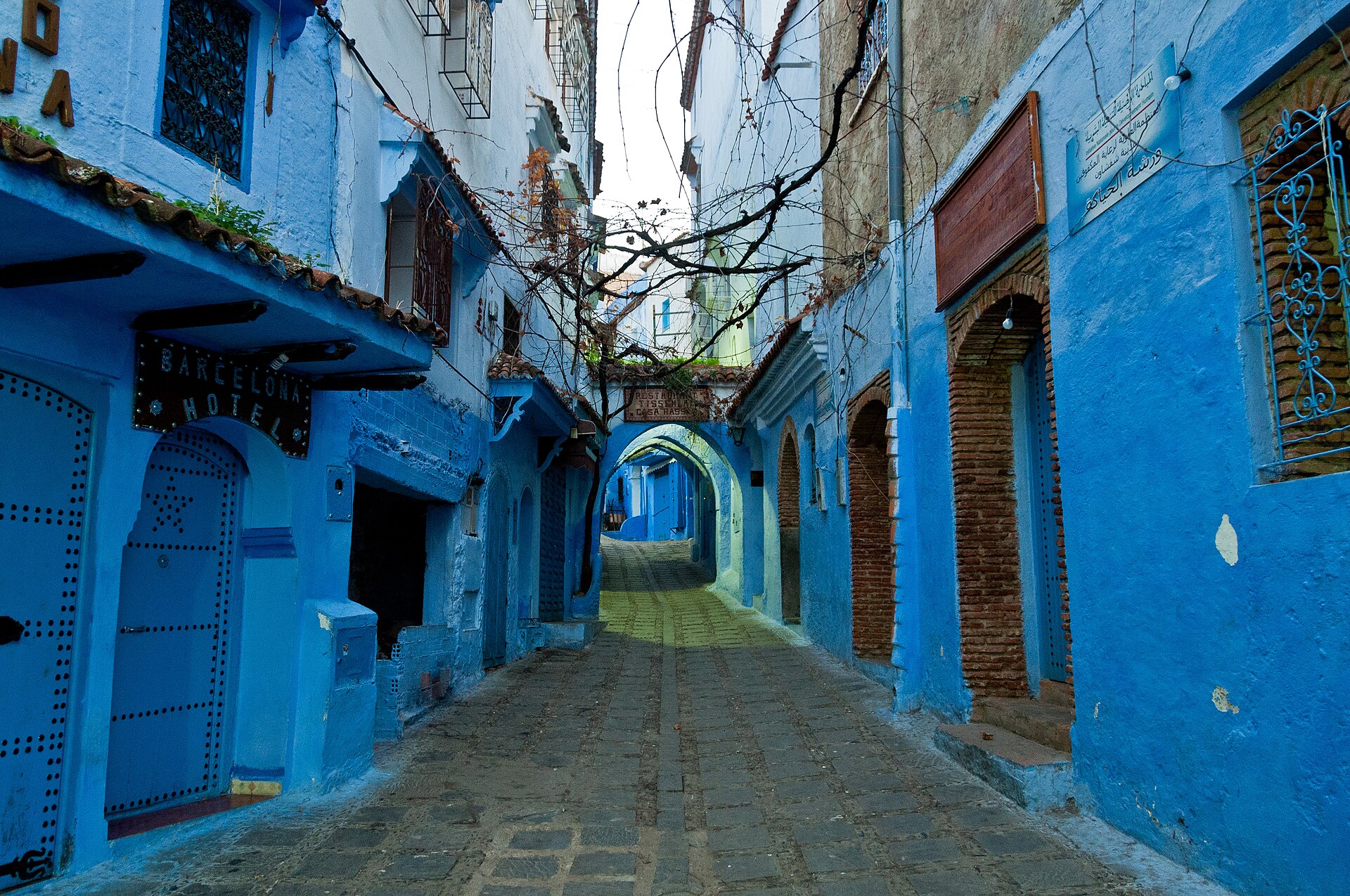
Blue lanes and mountain views. Practical: early mornings are quietest.
Day 12: Chefchaouen to Tangier
About 110 km · 1.5 h on the road
What to expect: through the Rif to Tetouan's Andalusian medina, then on to Tangier, its kasbah and a mint tea at Café Hafa above the Strait. The road crosses the Rif to Tetouan, about an hour and a quarter away, at the foot of the mountains near the Mediterranean. Its whitewashed medina, a UNESCO World Heritage Site since 1997, was rebuilt by refugees from Granada in the late 15th century and still feels Andalusian. Walk through the craftsmen's lanes and the Feddane square by the Royal Palace. After lunch continue to Tangier, about an hour further. In the afternoon walk up through the medina to the kasbah and its museum, look across to Spain, about 14 km away on clear days, and end at Café Hafa, a terrace café opened in 1921 and loved by writers and musicians, where mint tea is served on terraces stepping down to the sea. SCHEDULE (times are estimates) 09:00 – Depart Chefchaouen. 10:30 – Tetouan medina (about 1.5 hours). 12:30 – Lunch (not included). 14:00 – Arrival in Tangier. 16:00 – Kasbah and Café Hafa. GOOD TO KNOW • A local guide in Tetouan or Tangier can be arranged on request. INCLUDED: vehicle and driver, hotel with breakfast. NOT INCLUDED: lunch, drinks, tips. Overnight: hotel in Tangier. Meals: breakfast.
Tangier kasbah
Duration: About 1 hour
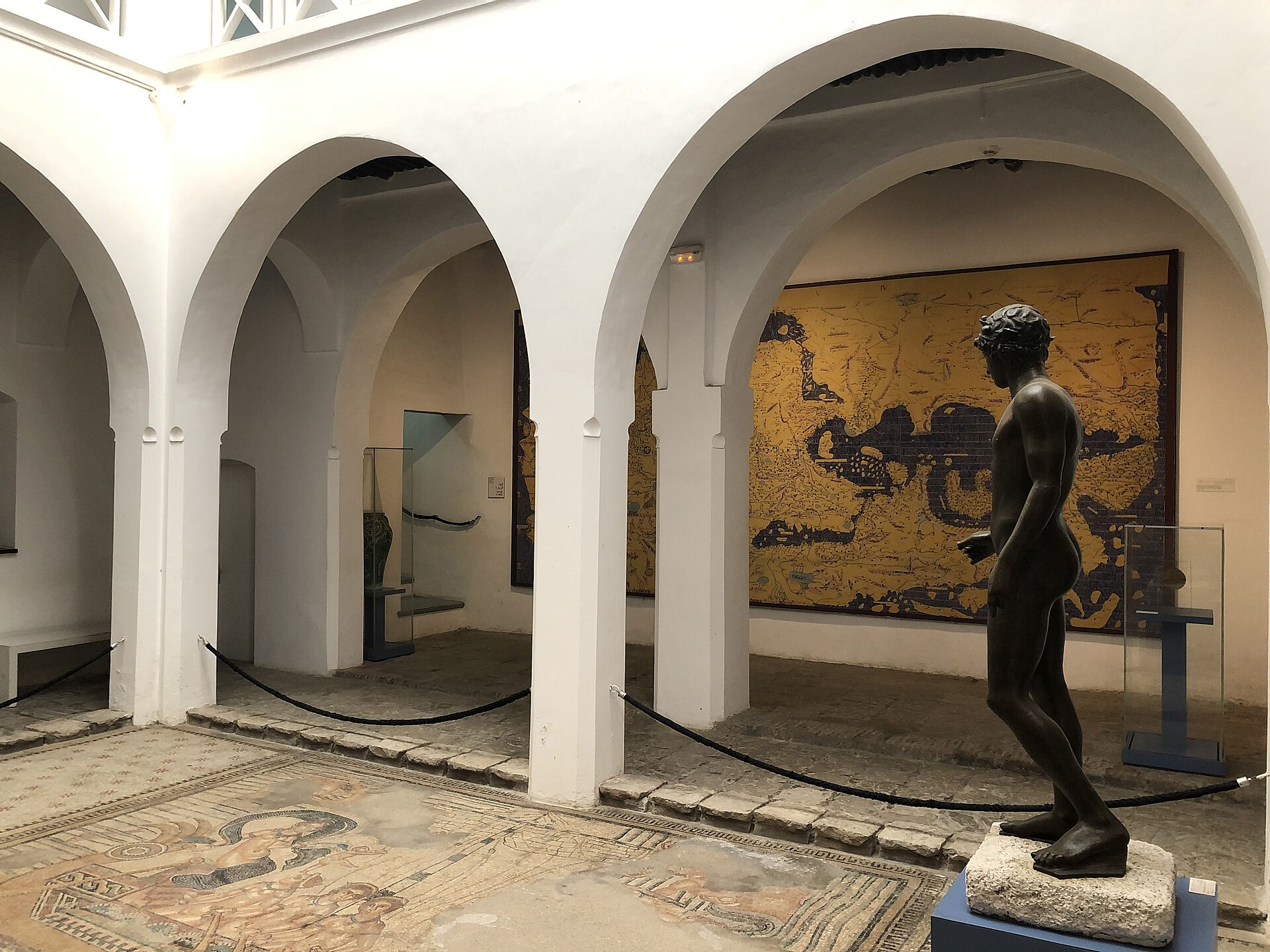
Views over the Strait. Practical: museum fee.
Day 13: Tangier to Rabat
About 280 km · 4 h on the road
What to expect: down the Atlantic coast to the painted fishing town of Asilah, then on to Rabat, the capital. Before leaving Tangier you can stop at Cap Spartel, where the Mediterranean meets the Atlantic, and the Caves of Hercules. Asilah is about 45 minutes south: a small white town inside 15th-century Portuguese walls, where artists paint new murals on the houses every summer during the arts festival. Walk the ramparts to the Krikia platform above the waves and have fresh fish for lunch. The motorway then follows the coast south for about two hours to Rabat. In the late afternoon you can walk in the Kasbah of the Udayas above the river mouth, with its blue-and-white lanes and Andalusian garden, before dinner in the city. SCHEDULE (times are estimates) 09:00 – Depart Tangier; Cap Spartel (optional). 10:00 – Asilah: ramparts and murals (about 2 hours with lunch). 14:00 – Arrival in Rabat. 16:30 – Kasbah of the Udayas. GOOD TO KNOW • Asilah is lively in summer and very quiet in winter. INCLUDED: vehicle and driver, hotel with breakfast. NOT INCLUDED: lunch, drinks, tips. Overnight: hotel in Rabat. Meals: breakfast.
Asilah
Duration: About 1.5 hours
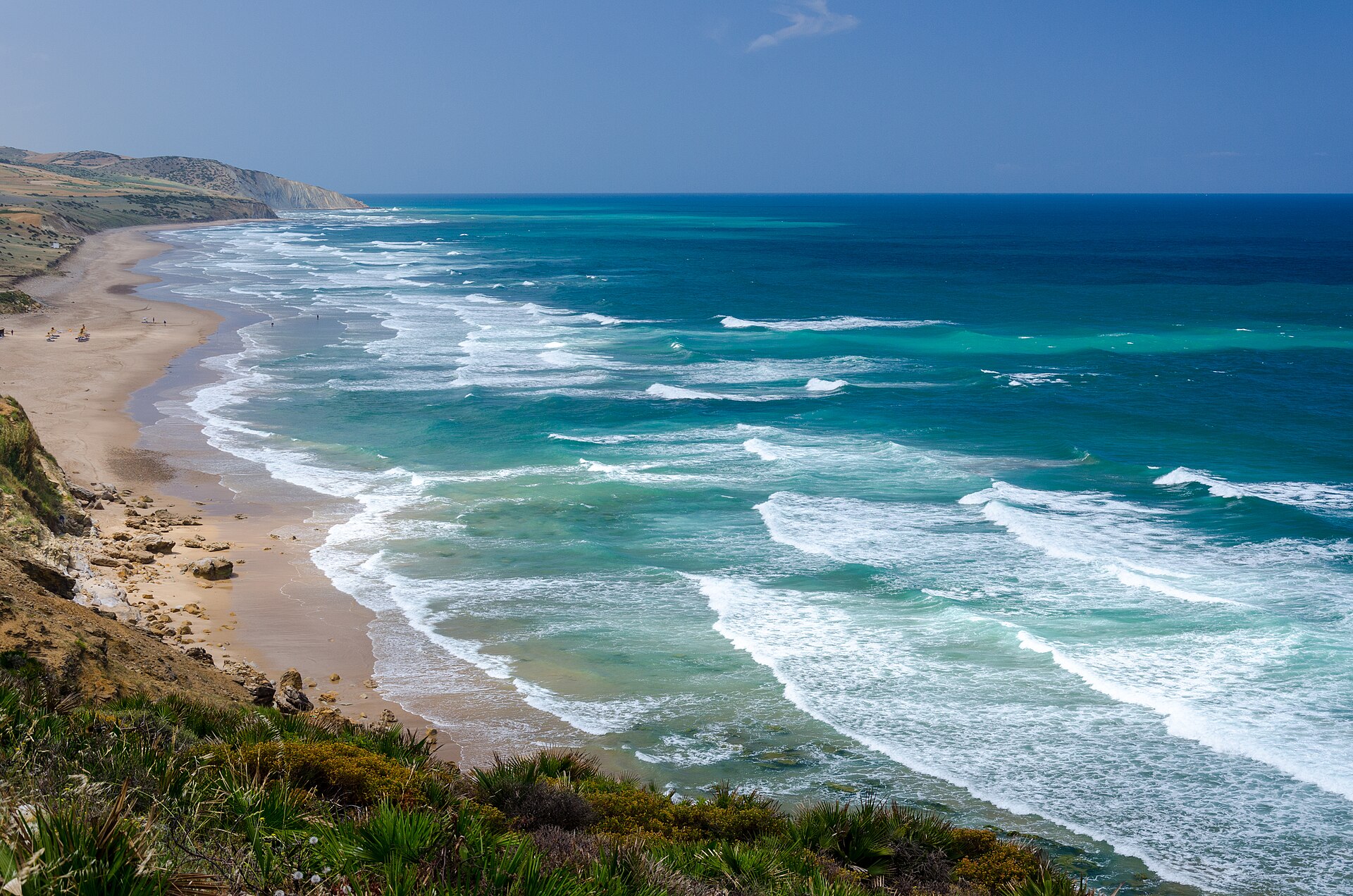
Murals and ramparts. Practical: flat.
Day 14: Rabat to Casablanca
About 110 km · 1.5 h on the road
What to expect: a last morning in Rabat – the Hassan Tower, the Mausoleum of Mohammed V and the Chellah – then on to Casablanca for your departure. Start at the Hassan Tower, the unfinished minaret of a 12th-century mosque that was meant to be the largest in the world, surrounded by the stumps of its columns, and the white Mausoleum of Mohammed V opposite, guarded by horsemen. Then visit the Chellah, where the ruins of the Roman town of Sala lie beside a Merinid necropolis, with storks nesting on the old minaret and walls. Around midday drive south about an hour and a quarter to Casablanca. If time allows before your flight, stop at the Hassan II Mosque on the ocean. Your driver drops you at Mohammed V airport, the station or your hotel. SCHEDULE (times are estimates) 09:30 – Hassan Tower and the Mausoleum of Mohammed V. 10:30 – The Chellah (about 1 hour). 12:00 – Drive to Casablanca. 13:00 – Hassan II Mosque (optional) or drop-off. GOOD TO KNOW • For an early flight we can skip Rabat in the morning, or add a night in Casablanca. INCLUDED: vehicle and driver, drop-off at the airport or hotel. NOT INCLUDED: lunch, entrance fees, tips. Overnight: none. Meals: breakfast.
Plan your trip
Best time to go
- March to May: the best season, warm days and green valleys.
- September to November: pleasant days and clear, starry desert nights.
- December to February: sunny days, but desert and mountain nights are cold (bring warm layers).
- June to August: very hot in the Sahara (often above 40 °C); early starts help.
Getting there
Make it yours
This is a private tour: we can add a night, change hotels or adjust the route to suit you.
Practical info
- Money: the Moroccan dirham (MAD). Cards work in cities and hotels; bring cash for villages, tips and souks.
- Plugs: type C and E (European), 220 V.
- Phone: a local SIM (Maroc Telecom, Orange or inwi) is cheap at the airport and works along the whole route.
- Visa: many nationalities (EU, UK, US, Canada, Australia) need none for up to 90 days. Check the rules for your passport before you go.
What to bring
- Comfortable shoes for the medinas and the dunes
- Warm layers for desert nights
- A scarf or hat, sunglasses and sunscreen
- Some cash in dirhams for tips and small purchases
- Clothes covering shoulders and knees for villages and religious sites
- Your passport (hotels ask for it at check-in)
Good to know
Cancellation policy
Full refund if you cancel at least 24 hours before the start. Cancellations less than 24 hours before are not refunded. If bad weather stops the tour, you get a new date or a full refund.
Accessibility
Not wheelchair accessible. Child seats or chairs available.
Frequently Asked Questions
Is two weeks enough to see Morocco?
Yes. This route covers Marrakech, the High Atlas, the south, the Sahara, Fes, the Rif, Tangier and the Atlantic coast, with two nights in Fes, Chefchaouen and the desert and three in Marrakech, so the pace stays comfortable.
Why does the tour start in Marrakech and end in Casablanca?
Because it is a one-way route: you never drive back over the same road. Many flights arrive in Marrakech and leave from Casablanca. If you need to end in Marrakech or Fes instead, we can adapt the second week.
Is the tour private?
Yes. The vehicle, the driver and all the guides are only for you and your group, and you can change stops and timings each day.
Which meals are included?
Breakfast every day and dinner on Days 4 to 7: Ait Ben Haddou, the Dades valley, the desert camp and Merzouga. Lunches and the city dinners are not included, so you can choose where to eat.
How hard is the Atlas walk?
It is a moderate walk of about three hours in total on mule tracks, between 1,740 m and about 1,900 m. It can be shortened to a flat valley walk, and a mule can be hired for anyone who gets tired.
Why sleep at Ait Ben Haddou?
Most tours pass through at midday with the crowds. Staying there lets you walk the ksar in the late afternoon and see the sunset from the top, when the light on the earthen walls is at its best.
What is the desert camp like?
Berber-style tents in the Erg Chebbi dunes with real beds, blankets, dinner and breakfast. The second desert night is at a hotel by the dunes with a shower and pool, or at the camp again if you prefer.
Which are the longest drives?
Merzouga to Fes (about 470 km, a full day with stops) and the Dades to Merzouga (about 300 km including the Todra gorge). Most other days have two to four hours on the road.
What can we do on the free day in Chefchaouen?
Wander and photograph the blue lanes, shop for wool blankets and goat cheese, hike into the hills of the Talassemtane park, or ask your driver to take you to the Akchour waterfalls, about 45 minutes away.
Are entrance fees included?
No. They are paid on the day and are modest: most sites cost 30 to 120 dirhams. We book timed tickets such as the Majorelle Garden for you.
What is the best time of year for this itinerary?
Spring (March to May) and autumn (September to November). Winter works too, with snow on the Atlas and cold desert nights; July and August are very hot in the south, so we start early.
Is it suitable for children?
Yes, for children who are fine with some long drives, usually from about eight. They usually love the camels, the macaques, the mules in the Atlas and the food stalls of Jemaa el-Fna. Child seats are available on request.
Can the itinerary be changed?
Yes. Popular changes are adding Essaouira, an extra night in Marrakech or the desert, Volubilis between Fes and Chefchaouen, or ending in Tangier. Tell us when you book and we will adjust the price.
How do I pay for this tour?
You can reserve with €20 now and pay the rest on the first day of the tour, or pay everything online when you book.
What is the cancellation policy?
Cancel at least 24 hours before the start for a full refund. If bad weather stops the tour, you get a new date or a full refund.
How far in advance should I book?
Spring (March to May) and autumn (September to November) are the busiest seasons, so book early for those months. You can reserve with €20 and still cancel for free up to 24 hours before.
Similar experiences
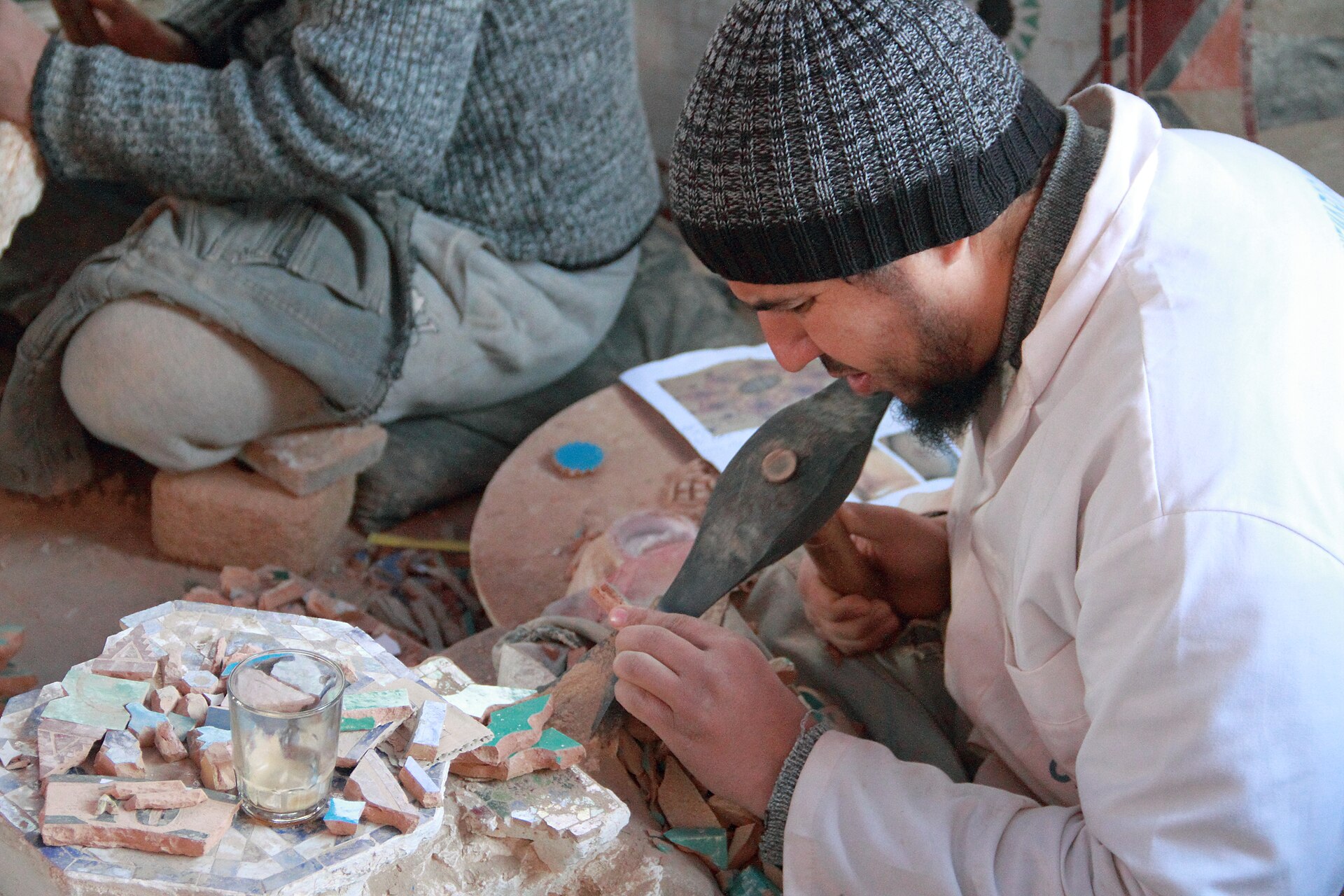 PopularMarrakech
Morocco Itinerary 10 Days: The Grand Loop from Marrakech
from €908 per person
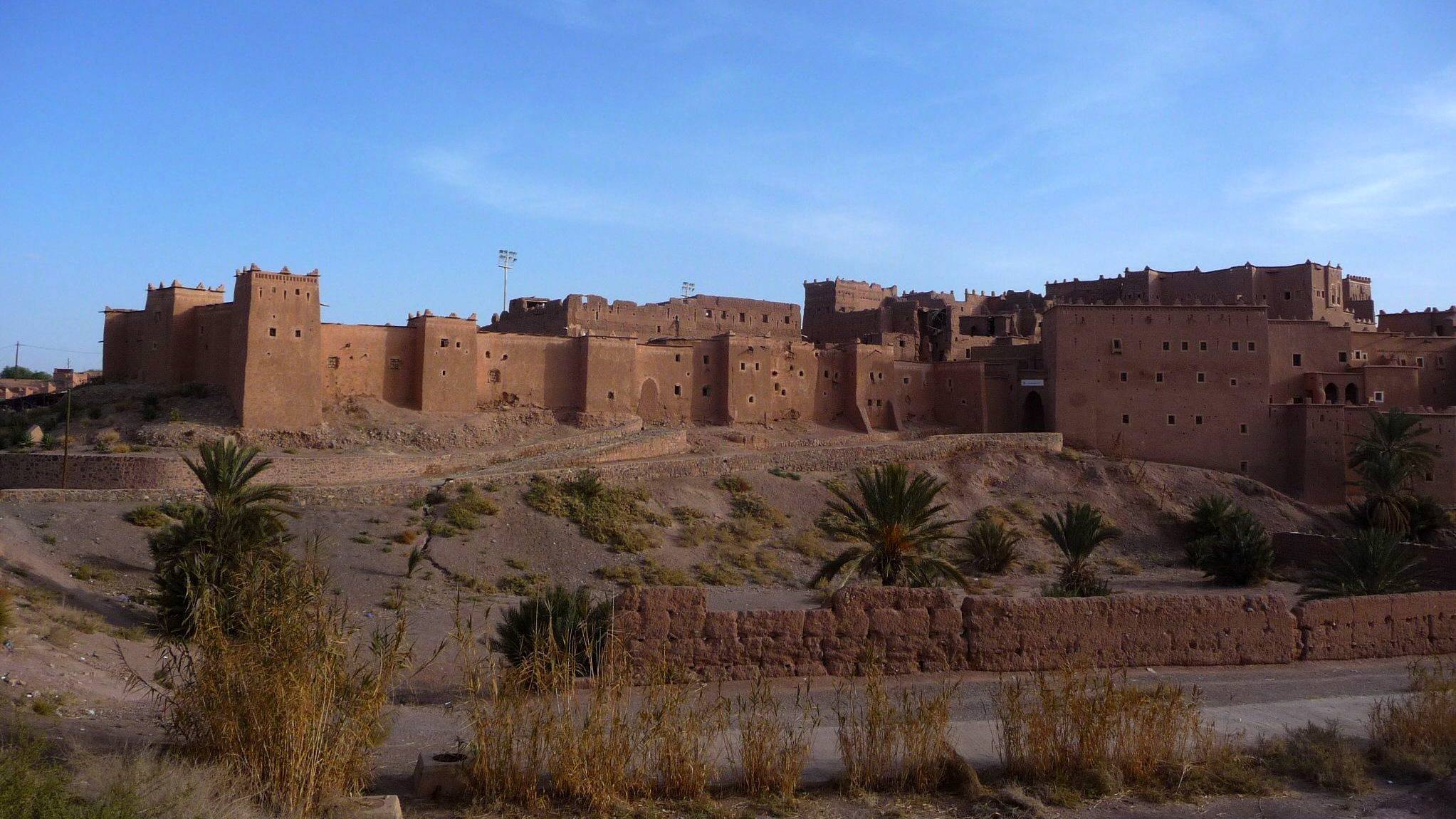 PopularMarrakech
5 Days Tour from Marrakech to Fes: Ait Ben Haddou, Dades and Two Nights in Merzouga
from €424 per person
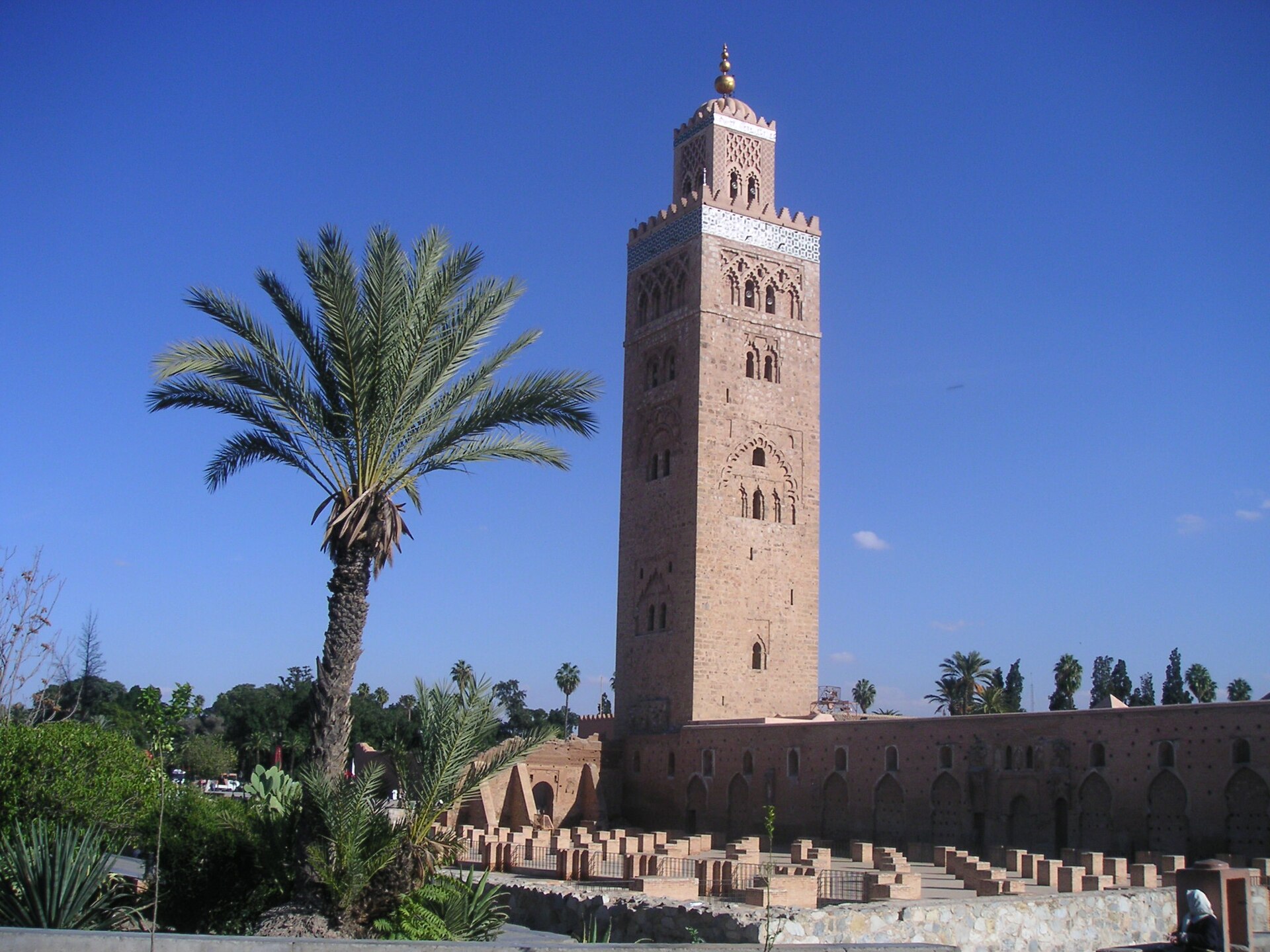 PopularMarrakech
4 Days Morocco Tour: Marrakech, the High Atlas and Essaouira
from €327 per person
 PopularMarrakech
Marrakech to Chefchaouen Desert Tour: 5 Days from the Red City to the Blue City
from €424 per person