

Photos: Itachoo1, CC BY-SA 4.0 · Diego Delso, CC BY-SA 4.0 · Patrick Morin, CC BY 2.5 · Johannes K Becker, CC BY-SA 3.0 · Elena Tatiana Chis, CC BY-SA 4.0
About
Two weeks is the length at which Morocco stops being a rush and starts to make sense. This private tour, starting and ending in Casablanca, links every region of the country in one loop: the Atlantic capitals, Tangier on the Strait of Gibraltar, the blue town of Chefchaouen and the river canyons of the Rif, the medieval medina of Fes, two days in the dunes of the Sahara, the gorges and kasbahs of the south, Marrakech and finally the sea air of Essaouira. Your own driver stays with you the whole way, licensed local guides lead you through Fes and Marrakech, and the route is built with full days in the places that deserve them rather than one night everywhere. The journey starts by the ocean at the Hassan II Mosque, then heads north through Rabat and the painted lanes of Asilah to Tangier. From Tangier you cross the Rif to Chefchaouen for two nights, with a day of walking to the green pools and waterfalls of Akchour. A full guided day in Fes follows, then you drive over the cedar forests of the Middle Atlas and down the Ziz valley to Merzouga. In the Sahara you have one night in a hotel by the dunes and one in a desert camp, with a 4x4 day in between. The return west follows the Todra and Dades gorges and the Road of a Thousand Kasbahs to Ait Ben Haddou, over the High Atlas to Marrakech for two nights, and on to Essaouira before the last drive back to Casablanca. AT A GLANCE • Duration: 14 days, 13 nights • Start and finish: Casablanca (airport, train station or hotel) • Type: private tour with your own driver; licensed local guides in Fes and Marrakech, local guide at Ait Ben Haddou • Total distance: about 2,600 km; the longest drive is Fes to Merzouga (about 470 km, a full day with stops) • Nights: Casablanca 1, Tangier 1, Chefchaouen 2, Fes 2, Merzouga 2 (hotel + desert camp), Dades 1, Ouarzazate 1, Marrakech 2, Essaouira 1 • Meals: breakfast daily; dinner on the desert and southern nights (Days 7–10) • Activity level: easy to moderate; the Akchour walk is optional and can be shortened WHAT YOU SEE • The Hassan II Mosque, one of the few in Morocco open to non-Muslims. • Rabat's Hassan Tower and Kasbah of the Udayas, the murals of Asilah, the kasbah of Tangier and Cap Spartel. • Chefchaouen's blue medina and the Akchour waterfalls in the Talassemtane National Park. • The Fes el-Bali medina: madrasas, the Chouara tannery, the Al Quaraouiyine mosque and its craft quarters. • The cedar forest of Azrou and its Barbary macaques, the Ziz valley palm groves and the Erg Chebbi dunes. • The Todra and Dades gorges, the Valley of Roses, Skoura, Ouarzazate and Ait Ben Haddou. • Marrakech's palaces, souks and Jemaa el-Fna, then the ramparts and fishing port of Essaouira. WHY THIS ROUTE WORKS Most two-week itineraries either skip the north or rush the desert. This one gives two nights in Chefchaouen so you can hike Akchour, a full day in Fes without a long drive before or after, and two Sahara nights so the desert is more than a sunset and a sunrise. The long drive days are broken by real stops, and the loop ends on the coast, so the last days feel like a holiday rather than a race to the airport. WHO WILL ENJOY IT First-time visitors who want to see the whole country once, couples, families with children over about eight, keen photographers and anyone who prefers a complete journey with one driver to piecing together separate trips. WHO MIGHT PREFER ANOTHER TOUR If you have only ten days, the 10-day grand tour from Casablanca keeps the same order without Tangier and Akchour. For more time on the Atlantic and the Anti-Atlas, choose the 15-day grand Morocco and Atlantic tour. PRACTICAL INFORMATION Pack for three climates: a warm layer for the Rif and Atlas and for desert nights (it can drop close to freezing in winter), sun protection for the south, a windproof jacket for Essaouira and good walking shoes for the medinas and Akchour. Spring (March to May) and autumn (September to November) are the most comfortable seasons; in July and August the desert is very hot, so we start early. Entrance fees, lunches and tips are not included; most sites cost between 30 and 120 dirhams. Modest clothing is appreciated in villages and is required at the Hassan II Mosque.
from €1,295 per person
Select date and travelers
Duration
14 days
Starts in
Casablanca
Ends in
Casablanca
Private tourOnly your group, with your own driver and vehicle. Your booking is confirmed straight away.
Free cancellationFull refund if canceled up to 24 hours before the start of the experience (local time)
Reserve now and pay laterReserve your spot while maintaining flexibility.
Lowest price guaranteedFound a lower price online? We'll refund the difference.
Included
Everything included in your package
Standard
Private tour
- Pick-up and drop-off at your hotel or riad
- Private air-conditioned vehicle for the whole trip
- Professional English or French-speaking driver
- Comfortable hotels or riads with private bathroom
- Daily breakfast and dinner
- Bottled water during the trip
LuxuryUpgrade
Private tour
- Pick-up and drop-off at your hotel or riad
- Private premium vehicle for the whole trip
- Professional English or French-speaking driver
- Charming riads, boutique hotels and luxury desert camp
- Daily breakfast and dinner
- Bottled water and snacks during the trip
- Flexible departure times
Itinerary: 14 days, day by day
Highlights
- Akchour
- Casablanca
- Rabat
- Tangier
- Chefchaouen
- Fes
- Merzouga
- Boumalne Dades
| Day | Route | Overnight | On the road |
|---|---|---|---|
| 1 | Casablanca | Casablanca | — |
| 2 | Casablanca - Rabat - Tangier | Tangier | 390 km · 5.5 h |
| 3 | Tangier - Chefchaouen | Chefchaouen | 110 km · 1.5 h |
| 4 | Chefchaouen - Akchour | Akchour | — |
| 5 | Akchour - Chefchaouen - Fes | Fes | 180 km · 2.5 h |
| 6 | Guided day in Fes | Fes | — |
| 7 | Fes - Merzouga | Merzouga | 440 km · 6.5 h |
| 8 | Sahara day | Merzouga | — |
| 9 | Merzouga - Boumalne Dades | Boumalne Dades | 250 km · 3.5 h |
| 10 | Road of a Thousand Kasbahs | Boumalne Dades | — |
| 11 | Boumalne Dades - Marrakech | Marrakech | 250 km · 3.5 h |
| 12 | Guided day in Marrakech | Marrakech | — |
| 13 | Marrakech - Essaouira | Essaouira | 220 km · 3 h |
| 14 | Essaouira - Casablanca | — | 400 km · 5.5 h |
Day 1: Casablanca
What to expect: a gentle arrival by the Atlantic – the Hassan II Mosque, the Corniche at sunset and your first evening in Morocco. Your driver meets you at Mohammed V airport, Casa Voyageurs station or your hotel and takes you to your hotel to rest. In the afternoon you visit the Hassan II Mosque, built on a platform over the ocean and completed in 1993. Its minaret rises about 210 m, among the tallest in the world, and the prayer hall, roofed with cedar and partly retractable, holds 25,000 worshippers. Guided tours in English, French and Spanish show the hall, the marble ablution rooms and the hammam below. Afterwards drive along the Corniche of Ain Diab to watch the sun go down over the Atlantic, and if you still have energy, walk the Habous quarter, the 1930s 'new medina' with its bakeries and bookshops, or the Art Deco buildings of the city centre. SCHEDULE (times are estimates) Arrival – Pick-up and transfer to your hotel. 14:00 – Guided visit of the Hassan II Mosque (about 1 hour). 15:30 – Habous quarter or Art Deco centre (optional). 17:30 – The Corniche at sunset. GOOD TO KNOW • Mosque visits require covered shoulders and knees; you carry your shoes in a bag. There are no visits on Friday mornings. • If your flight lands late, the mosque visit moves to the morning of Day 2. INCLUDED: driver and vehicle, arrival pick-up, hotel with breakfast. NOT INCLUDED: mosque ticket, meals, tips. Overnight: hotel in Casablanca. Meals: none (breakfast the next morning).
Day 2: Rabat, Asilah and Tangier
About 390 km · 5.5 h on the road
What to expect: the royal capital of Rabat, the painted lanes of Asilah and an evening arrival in Tangier on the Strait of Gibraltar. Rabat is about an hour and a half north. Your first stop is the Hassan Tower, the unfinished minaret of a 12th-century mosque that was meant to be the largest in the world, standing among the stumps of its columns opposite the white Mausoleum of Mohammed V with its royal guards. Then walk up to the Kasbah of the Udayas, a fortress above the mouth of the Bou Regreg river, through its blue-and-white lanes to the terrace over the ocean and the Andalusian garden. The motorway continues north along the coast to Asilah, a small fishing town inside Portuguese walls. Every summer artists paint new murals on the white houses, and the ramparts end at the Krikia platform over the sea. After lunch and a stroll, you reach Tangier in the late afternoon. SCHEDULE (times are estimates) 08:30 – Depart Casablanca. 10:00 – Rabat: Hassan Tower, Mausoleum, Kasbah of the Udayas (about 2 hours). 12:30 – Drive to Asilah (about 2 hours). 14:30 – Lunch and a walk in Asilah's medina (not included; about 1.5 hours). 16:30 – Drive to Tangier (about 45 minutes). 17:30 – Check in; evening free. GOOD TO KNOW • Asilah is very quiet in winter and lively from June to September, when its arts festival takes place. • Fresh fish in Asilah's small restaurants is the classic lunch. INCLUDED: driver and vehicle, hotel with breakfast. NOT INCLUDED: lunch, drinks, tips. Overnight: hotel in Tangier. Meals: breakfast.
Day 3: Tangier to Chefchaouen
About 110 km · 1.5 h on the road
What to expect: Tangier's kasbah and the cape where the Mediterranean meets the Atlantic, then across the Rif to Chefchaouen. Morning in Tangier, the city of writers, painters and spies. Walk up through the medina to the kasbah, the old governor's palace (now the Kasbah Museum) and the viewpoints over the port, where on clear days you see Spain about 14 km away. Pass the Grand Socco and the Petit Socco, where the cafés of the international zone years still stand. Then drive west to Cap Spartel, the lighthouse on the north-west tip of Africa, and down to the Caves of Hercules, whose sea opening is shaped like the map of Africa. After lunch the road turns south-east into the Rif mountains, through cork oaks and olive groves, to Chefchaouen, the blue town on the slopes of the Jebel Kelaa, where you arrive in time for sunset from the Spanish Mosque. SCHEDULE (times are estimates) 09:00 – Tangier medina and kasbah walk (about 2 hours). 11:00 – Cap Spartel and the Caves of Hercules (about 1.5 hours). 13:00 – Lunch (not included). 14:00 – Drive to Chefchaouen (about 2.5 hours). 17:00 – Check in; sunset walk to the Spanish Mosque (about 30 minutes uphill). GOOD TO KNOW • A local guide in Tangier is available on request. • Chefchaouen's riads are inside the medina; your driver parks at the nearest gate and porters help with luggage. INCLUDED: driver and vehicle, riad with breakfast. NOT INCLUDED: lunch, drinks, entrance fees, tips. Overnight: riad in Chefchaouen. Meals: breakfast.
Day 4: Akchour waterfalls
What to expect: a day in the Talassemtane National Park – a walk up the Oued Farda river to the Akchour waterfalls, swimming in the pools in summer, and a free evening in Chefchaouen. Akchour lies about 45 minutes from Chefchaouen at the end of a valley in the Rif. From the dam where the road ends, a path follows the river upstream between limestone cliffs, crossing small bridges and passing cafés built from branches where you can stop for mint tea. You choose your walk with your driver: the lower falls are about an hour each way on an easy trail; the great waterfall is about two to two and a half hours each way and steeper; the natural arch of the God's Bridge, on a separate path, takes about an hour each way. In summer the green pools are perfect for a swim. Back in Chefchaouen the evening is yours to explore the blue lanes, the Outa el-Hammam square and the kasbah. SCHEDULE (times are estimates) 09:00 – Drive to Akchour (about 45 minutes). 10:00 – Hike to the waterfalls or the God's Bridge (3 to 5 hours return, at your pace). 14:00 – Lunch at a riverside café (not included). 16:00 – Return to Chefchaouen; free evening. GOOD TO KNOW • Wear shoes with grip; some sections are rocky and wet. Bring swimwear and a towel from May to October. • After heavy rain the river can be high and the upper path is closed; we choose the God's Bridge or a walk around Chefchaouen instead. • If you prefer a rest day, stay in Chefchaouen and take a guided walk of the medina. INCLUDED: driver and vehicle, riad with breakfast. NOT INCLUDED: lunch, drinks, tips. Overnight: riad in Chefchaouen. Meals: breakfast.
Akchour
Duration: About 5 hours
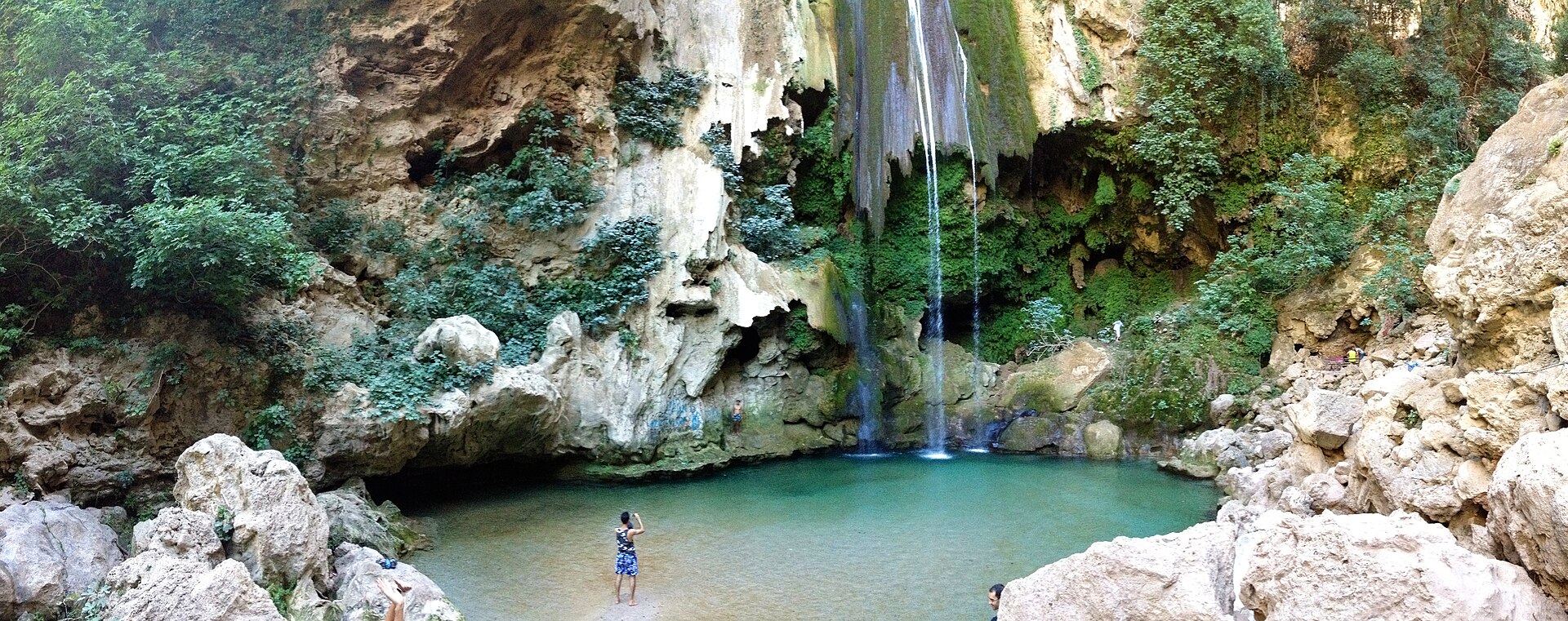
Waterfalls in Talassemtane National Park. Practical: shoes that can get wet.
Day 5: Chefchaouen to Fes
About 180 km · 2.5 h on the road
What to expect: an early walk in Chefchaouen's blue lanes, then south through the Rif foothills to Fes. Morning is the best time in Chefchaouen: the light is soft, the lanes are empty and you can photograph the blue doors and stairways without crowds. Walk through the Souika and Onsar quarters, past the Ras el-Maa spring where women still wash wool and clothes, and into the kasbah garden on the main square. Around midday you leave for Fes, about four hours south through rolling hills, olive groves and the market town of Ouezzane, with a lunch stop on the way. You arrive in the late afternoon and settle into your riad in the medina. SCHEDULE (times are estimates) 09:00 – Morning walk in Chefchaouen (about 2 hours). 11:30 – Drive to Fes with a lunch stop (about 4.5 hours). 16:30 – Arrival at your riad in Fes. GOOD TO KNOW • Ask your driver for a detour via Volubilis and Meknes if you would like to see the Roman city: it adds about 2 hours and makes for a later arrival. • Dinner tonight is free: your riad can serve one, or your driver can recommend a restaurant. INCLUDED: driver and vehicle, riad with breakfast. NOT INCLUDED: lunch, drinks, tips. Overnight: riad in Fes. Meals: breakfast.
Day 6: Guided day in Fes
What to expect: a full day in the largest car-free medina in the world, with a licensed guide who knows its 9,000 lanes. Fes el-Bali was founded in the 9th century and is a UNESCO World Heritage Site. Your guide starts at the Bab Boujloud, the blue gate, and leads you down the Talaa Kebira into the heart of the medina. You visit the Bou Inania madrasa, with its carved cedar and zellige tiles, and the smaller Al-Attarine madrasa, then see the courtyard of the Al Quaraouiyine mosque from its doors – founded in 859 by Fatima al-Fihri, it is often called the oldest existing university in the world. The terraces above the Chouara tannery look over the dyeing pits, and you pass the Nejjarine fountain, the coppersmiths' square and the weavers. After lunch drive to the golden gates of the Royal Palace, the Mellah (the old Jewish quarter) and the Merinid tombs for the view over the whole city at the end of the day. SCHEDULE (times are estimates) 09:00 – Guided walk of the medina (about 4 hours). 13:00 – Lunch in the medina (not included). 14:30 – Royal Palace gates, Mellah and Merinid tombs viewpoint (about 2 hours). 17:00 – Back at your riad; evening free. GOOD TO KNOW • The Quaraouiyine mosque is closed to non-Muslims; you see the courtyard from the doors. • Guides do take you into workshops; there is never an obligation to buy. INCLUDED: licensed local guide, driver for the afternoon, riad with breakfast. NOT INCLUDED: entrance fees, lunch, tips. Overnight: riad in Fes. Meals: breakfast.
Day 7: Fes to Merzouga
About 440 km · 6.5 h on the road
What to expect: the long drive from the imperial city to the edge of the Sahara, over the Middle Atlas and down the Ziz valley, with dinner by the dunes. Today is about 470 km, but the landscapes change every hour. You climb to Ifrane, an alpine-style town at 1,650 m, and into the cedar forest near Azrou, where Barbary macaques live wild among the trees. The road crosses high plateaus to Midelt, the apple town under the snowy Jebel Ayachi, and over the Tizi n'Talghemt pass. Then it drops into the Ziz gorges and follows the river past a long ribbon of palm groves and earthen ksour to Errachidia and Erfoud. In the late afternoon the dunes of the Erg Chebbi appear on the horizon, turning orange as you arrive at your hotel by the sand in Merzouga. SCHEDULE (times are estimates) 08:00 – Depart Fes. 09:30 – Ifrane and the cedar forest of Azrou, with the macaques (about 1 hour). 12:30 – Lunch in Midelt (not included). 14:30 – Ziz gorges and the Ziz valley viewpoint. 17:30 – Arrival at your hotel in Merzouga; dinner. GOOD TO KNOW • Please do not feed the macaques; it harms them. • In winter the passes can see snow; your driver checks the road and may take the Boulemane route. INCLUDED: driver and vehicle, hotel with dinner and breakfast. NOT INCLUDED: lunch, drinks, tips. Overnight: hotel by the dunes in Merzouga. Meals: breakfast, dinner.
Day 8: Sahara day
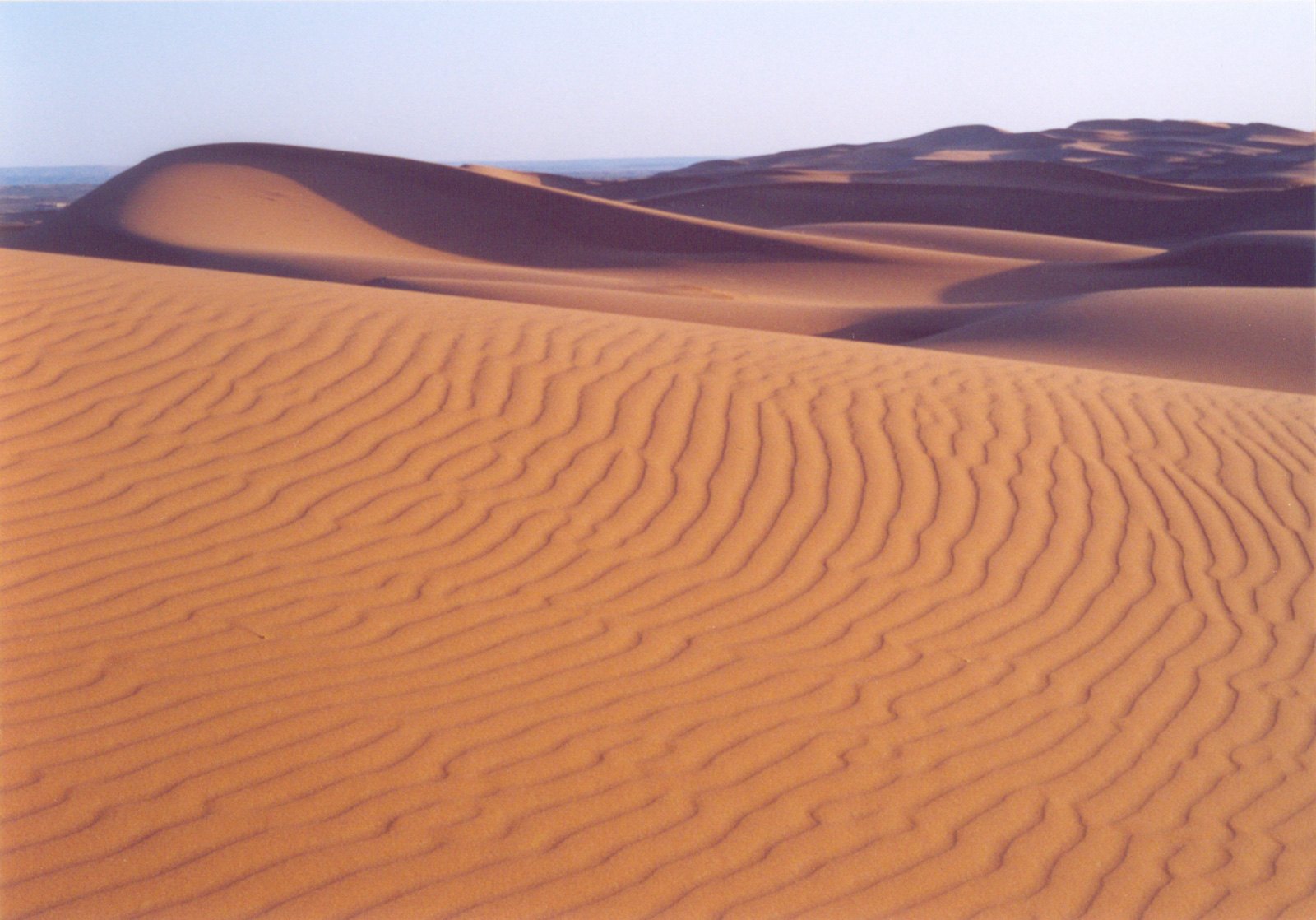
What to expect: a full day in the desert – a 4x4 loop around the Erg Chebbi, Gnawa music in Khamlia and nomad life, then a camel trek at sunset to a camp in the dunes. After breakfast your driver takes you around the Erg Chebbi, a sea of dunes about 22 km long whose highest crests reach around 150 m. You stop at a nomad family's tent to share tea and hear how they move with their herds, and in the village of Khamlia you listen to Gnawa musicians, descendants of people brought across the Sahara, playing the guembri and iron castanets. You can see the old mines and fossil workshops, and Rissani's market on market days. In the late afternoon you leave the vehicle and ride a camel into the dunes for about an hour and a half as the light turns gold, climb a dune for the sunset, then reach your camp for dinner, drums by the fire and a sky full of stars. SCHEDULE (times are estimates) 09:30 – 4x4 tour around the Erg Chebbi, nomads and Khamlia (about 4 hours). 13:30 – Lunch and rest at the hotel (not included). 17:00 – Camel trek into the dunes (about 1.5 hours). 18:30 – Sunset from a dune, then dinner at the camp. GOOD TO KNOW • Take a small bag for the camp; your main luggage stays in the vehicle. • Tents have beds and blankets; ask for a camp with private bathrooms if you prefer. • Nights are cold from November to March: bring a warm layer. INCLUDED: driver and vehicle, 4x4 tour, camel trek, desert camp with dinner and breakfast. NOT INCLUDED: lunch, drinks, tips. Overnight: desert camp in the Erg Chebbi. Meals: breakfast, dinner.
Day 9: Todra and Dades gorges
About 250 km · 3.5 h on the road
What to expect: sunrise over the dunes, then west along the edge of the desert to the walls of the Todra gorge and up the Dades valley. Wake early to climb a dune and watch the sun rise over the Sahara, then ride the camels back to Merzouga for a shower and breakfast. The road west passes the old ksour of Rissani and the oasis of Tinejdad and its khettaras, the underground water channels of the south. At Tinghir you look down over one of the longest palm groves of the region before driving into the Todra gorge, where the rock walls rise about 300 m and close to only about ten metres apart at the narrowest point. Walk through the gorge along the stream. In the afternoon you continue to Boumalne and up the Dades valley, past the rock formations called the 'monkey fingers' and the hairpin road of Tisdrine, to your hotel above the river. SCHEDULE (times are estimates) 06:00 – Sunrise from the dunes, camel ride back (about 1 hour). 07:30 – Shower and breakfast at the hotel. 09:00 – Drive west via Rissani and Tinejdad (about 3 hours). 12:00 – Todra gorge walk (about 1 hour), then lunch (not included). 15:00 – Drive to the Dades valley and the Tisdrine viewpoint. 17:30 – Arrival at your hotel in the Dades. GOOD TO KNOW • The gorge floor is flat and easy; wear shoes you can get wet if you want to paddle. INCLUDED: driver and vehicle, hotel with dinner and breakfast. NOT INCLUDED: lunch, drinks, tips. Overnight: hotel in the Dades valley. Meals: breakfast, dinner.
Day 10: Road of a Thousand Kasbahs
What to expect: the Road of a Thousand Kasbahs – the Valley of Roses, the palm grove of Skoura and the film town of Ouarzazate. The road west follows a line of earthen kasbahs and ksour between the High Atlas and the Jebel Saghro. At Kelaat M'Gouna, in the Valley of Roses, the small Damask roses are picked in spring and distilled into rose water; in May the town holds its rose festival, and all year the cooperatives sell rose water and oils. In Skoura you walk into the palm grove to the 17th-century Kasbah Amridil, one of the finest in the south, with its tower rooms and the old tools of daily life. In the afternoon you reach Ouarzazate and visit the Kasbah Taourirt, a former residence of the Glaoui family, and if you like the Atlas film studios where many desert films were shot. Evening at your hotel. SCHEDULE (times are estimates) 09:00 – Depart the Dades; Kelaat M'Gouna and the Valley of Roses. 11:00 – Skoura palm grove and Kasbah Amridil (about 1 hour). 13:00 – Lunch in Ouarzazate (not included). 14:30 – Kasbah Taourirt and optionally the Atlas film studios. 17:00 – Hotel in Ouarzazate; dinner. GOOD TO KNOW • The rose harvest is late April and May; the festival dates change each year. INCLUDED: driver and vehicle, hotel with dinner and breakfast. NOT INCLUDED: lunch, drinks, entrance fees, tips. Overnight: hotel in Ouarzazate. Meals: breakfast, dinner.
Day 11: High Atlas to Marrakech
About 250 km · 3.5 h on the road
What to expect: the fortified village of Ait Ben Haddou with a local guide, then over the High Atlas by the Tizi n'Tichka pass to Marrakech. Ait Ben Haddou, about 30 km from Ouarzazate, is a ksar of earthen houses and towers climbing a hill above the Ounila river, a UNESCO World Heritage Site since 1987. A local guide walks you across the river and up through its lanes to the granary at the top, explaining how the ksar was built and how a few families still live here. Then the road climbs into the High Atlas to the Tizi n'Tichka, at about 2,260 m the highest main road pass in Morocco, with views over Berber villages terraced into the slopes. You can stop at an argan or walnut viewpoint and at Taddert for lunch before the descent through the foothills to Marrakech, where you arrive in the afternoon. SCHEDULE (times are estimates) 09:00 – Ait Ben Haddou with a local guide (about 1.5 hours). 11:00 – Drive over the Tizi n'Tichka pass with stops (about 4 hours). 13:00 – Lunch in Taddert (not included). 15:30 – Arrival at your riad in Marrakech; evening free at Jemaa el-Fna. GOOD TO KNOW • The Tichka road has many bends; take something for motion sickness if you need it. INCLUDED: driver and vehicle, local guide in Ait Ben Haddou, riad with breakfast. NOT INCLUDED: lunch, drinks, tips. Overnight: riad in Marrakech. Meals: breakfast.
Day 12: Guided day in Marrakech
What to expect: Marrakech with a licensed guide – palaces, madrasa, souks and gardens – and the evening show of Jemaa el-Fna. Your guide meets you at your riad. The morning starts at the Koutoubia mosque, whose 12th-century minaret is the landmark of the city, then the Bahia Palace with its painted ceilings and courtyards, and the Saadian Tombs, sealed for centuries and rediscovered in 1917. You cross the souks – spices, leather, lanterns, carpets – to the Ben Youssef madrasa, a 16th-century Koranic school with superb carved stucco and cedar. In the afternoon you can visit the Majorelle Garden, painted in its famous blue, and the Yves Saint Laurent museum next door, or rest in your riad. At sunset Jemaa el-Fna fills with food stalls, musicians and storytellers. SCHEDULE (times are estimates) 09:00 – Koutoubia, Bahia Palace and Saadian Tombs (about 2.5 hours). 11:30 – Souks and Ben Youssef madrasa (about 1.5 hours). 13:00 – Lunch (not included). 15:00 – Majorelle Garden (optional; booked time slot). 18:00 – Jemaa el-Fna at sunset. GOOD TO KNOW • Majorelle tickets are sold online for a time slot; we can book them for you. INCLUDED: licensed local guide, riad with breakfast. NOT INCLUDED: entrance fees, lunch, tips. Overnight: riad in Marrakech. Meals: breakfast.
Day 13: Marrakech to Essaouira
About 220 km · 3 h on the road
What to expect: west across the plains and the argan forest to the Atlantic, with an afternoon in the windy, white-and-blue town of Essaouira. The drive to Essaouira takes about three hours across the Haouz plain and then into the argan country, where you stop at a women's cooperative to see how argan oil is made by hand and taste it with bread and amlou. You arrive at lunchtime, ideally for grilled fish at the port stalls. Essaouira, a UNESCO World Heritage Site since 2001, was laid out in the 18th century by a French engineer for Sultan Mohammed ben Abdallah. Walk along the Skala ramparts with their bronze cannons, watch the blue fishing boats in the port, and explore the medina's woodworkers, the old Mellah and the galleries. Sunset over the ocean from the ramparts closes the day. SCHEDULE (times are estimates) 09:00 – Depart Marrakech. 10:30 – Argan cooperative (about 30 minutes). 12:00 – Arrival in Essaouira; lunch at the port (not included). 14:00 – Free afternoon in the medina, port and ramparts. GOOD TO KNOW • Essaouira is windy, especially from April to September: bring a jacket. • Goats in argan trees along the main road are often placed there for paid photos; we prefer not to stop. INCLUDED: driver and vehicle, riad with breakfast. NOT INCLUDED: lunch, drinks, tips. Overnight: riad in Essaouira. Meals: breakfast.
Day 14: Essaouira to Casablanca
About 400 km · 5.5 h on the road
What to expect: a last morning by the sea in Essaouira, then the drive north to Casablanca and your departure. Take the morning slowly: watch the fishermen unload at the port, have breakfast on a roof terrace, or buy a last souvenir of thuya wood or argan oil. Around 10:00 your driver takes the road north. The fastest route goes inland to the motorway at Chichaoua or north via Safi and El Jadida; either way you reach Casablanca in about five hours with a lunch stop. Your driver drops you at Mohammed V airport, the station or your hotel. If your flight is in the evening, ask us to stop at El Jadida's Portuguese cistern on the way. SCHEDULE (times are estimates) 08:00 – Free morning in Essaouira. 10:00 – Depart for Casablanca (about 5 hours with a stop). 13:00 – Lunch on the way (not included). 15:00 – Arrival at Casablanca airport or your hotel. GOOD TO KNOW • For an early flight, we can leave Essaouira at dawn or add a final night in Casablanca. • Allow at least three hours at the airport for an international flight. INCLUDED: driver and vehicle, drop-off at the airport or hotel. NOT INCLUDED: lunch, tips. Overnight: none. Meals: breakfast.
Plan your trip
Best time to go
- March to May: the best season, warm days and green valleys.
- September to November: pleasant days and clear, starry desert nights.
- December to February: sunny days, but desert and mountain nights are cold (bring warm layers).
- June to August: very hot in the Sahara (often above 40 °C); early starts help.
Getting there
Make it yours
This is a private tour: we can add a night, change hotels or adjust the route to suit you.
Practical info
- Money: the Moroccan dirham (MAD). Cards work in cities and hotels; bring cash for villages, tips and souks.
- Plugs: type C and E (European), 220 V.
- Phone: a local SIM (Maroc Telecom, Orange or inwi) is cheap at the airport and works along the whole route.
- Visa: many nationalities (EU, UK, US, Canada, Australia) need none for up to 90 days. Check the rules for your passport before you go.
What to bring
- Comfortable shoes for the medinas and the dunes
- Warm layers for desert nights
- A scarf or hat, sunglasses and sunscreen
- Some cash in dirhams for tips and small purchases
- Clothes covering shoulders and knees for villages and religious sites
- Your passport (hotels ask for it at check-in)
Good to know
Cancellation policy
Full refund if you cancel at least 24 hours before the start. Cancellations less than 24 hours before are not refunded. If bad weather stops the tour, you get a new date or a full refund.
Accessibility
Not wheelchair accessible. Child seats or chairs available.
Frequently Asked Questions
Is two weeks enough to see Morocco?
Yes. Fourteen days let you see every region – the Atlantic, the north, the imperial cities, the Sahara, the south and Marrakech – with two nights in Chefchaouen, Fes, Merzouga and Marrakech, so the pace stays comfortable.
Is the tour private?
Yes. The vehicle and driver are only for you and your group, and the guides in Fes, Marrakech and Ait Ben Haddou are private too. You can change stops, timings and the pace each day.
Which meals are included?
Breakfast every day, and dinner on the southern and desert nights: Merzouga hotel, the desert camp, the Dades and Ouarzazate (Days 7 to 10). Lunches and the other dinners are not included, so you can choose where to eat.
How long are the driving days?
Most days have two to four hours on the road with stops. The long days are Rabat–Asilah–Tangier (about 5 hours), Fes to Merzouga (about 8–9 hours with stops) and Essaouira to Casablanca (about 5 hours). The vehicle is air-conditioned and you can stop whenever you like.
What kind of accommodation do we stay in?
Riads in the medinas of Chefchaouen, Fes, Marrakech and Essaouira, hotels in Casablanca, Tangier, Merzouga, the Dades and Ouarzazate, and one night in a desert camp. You choose standard, superior or luxury when you book.
What is the desert camp like?
A camp of Berber-style tents in the Erg Chebbi dunes with real beds, blankets, dinner and breakfast. Many camps now have private bathrooms with toilets and showers in each tent; tell us if you want one.
Is the Akchour hike difficult?
You choose the length. The walk to the lower falls is about an hour each way on an easy trail; the great waterfall takes two to two and a half hours each way with some steep, rocky parts. You can also rest in Chefchaouen instead.
Do we visit Volubilis?
It is not in the standard plan, but it can be added on Day 5 between Chefchaouen and Fes. It adds about two hours to the day, with a later arrival in Fes.
What is the best time of year for this tour?
Spring (March to May) and autumn (September to November) are the most comfortable. Winter is fine but nights are cold in the mountains and desert; in July and August the south is very hot, so days start early.
Are entrance fees included?
No. Fees are paid on the day and are modest: most sites cost 30 to 120 dirhams, the Hassan II Mosque a little more. Your driver and guides tell you the prices in advance.
Is the tour suitable for children?
Yes, for children who are comfortable with some long drives, usually from about eight. They tend to love the camels, the macaques, the Akchour pools and the beach. Child seats are available on request.
Can we change the itinerary?
Yes. Common changes are adding Volubilis, an extra night in Essaouira or Marrakech, or ending in Marrakech instead of Casablanca. Tell us when you book and we will adjust the price.
Where does the tour end?
In Casablanca, at Mohammed V airport, the train station or your hotel, around mid-afternoon on Day 14. For an early flight we can leave Essaouira earlier or add a night in Casablanca.
How do I pay for this tour?
You can reserve with €20 now and pay the rest on the first day of the tour, or pay everything online when you book.
What is the cancellation policy?
Cancel at least 24 hours before the start for a full refund. If bad weather stops the tour, you get a new date or a full refund.
How far in advance should I book?
Spring (March to May) and autumn (September to November) are the busiest seasons, so book early for those months. You can reserve with €20 and still cancel for free up to 24 hours before.
Similar experiences
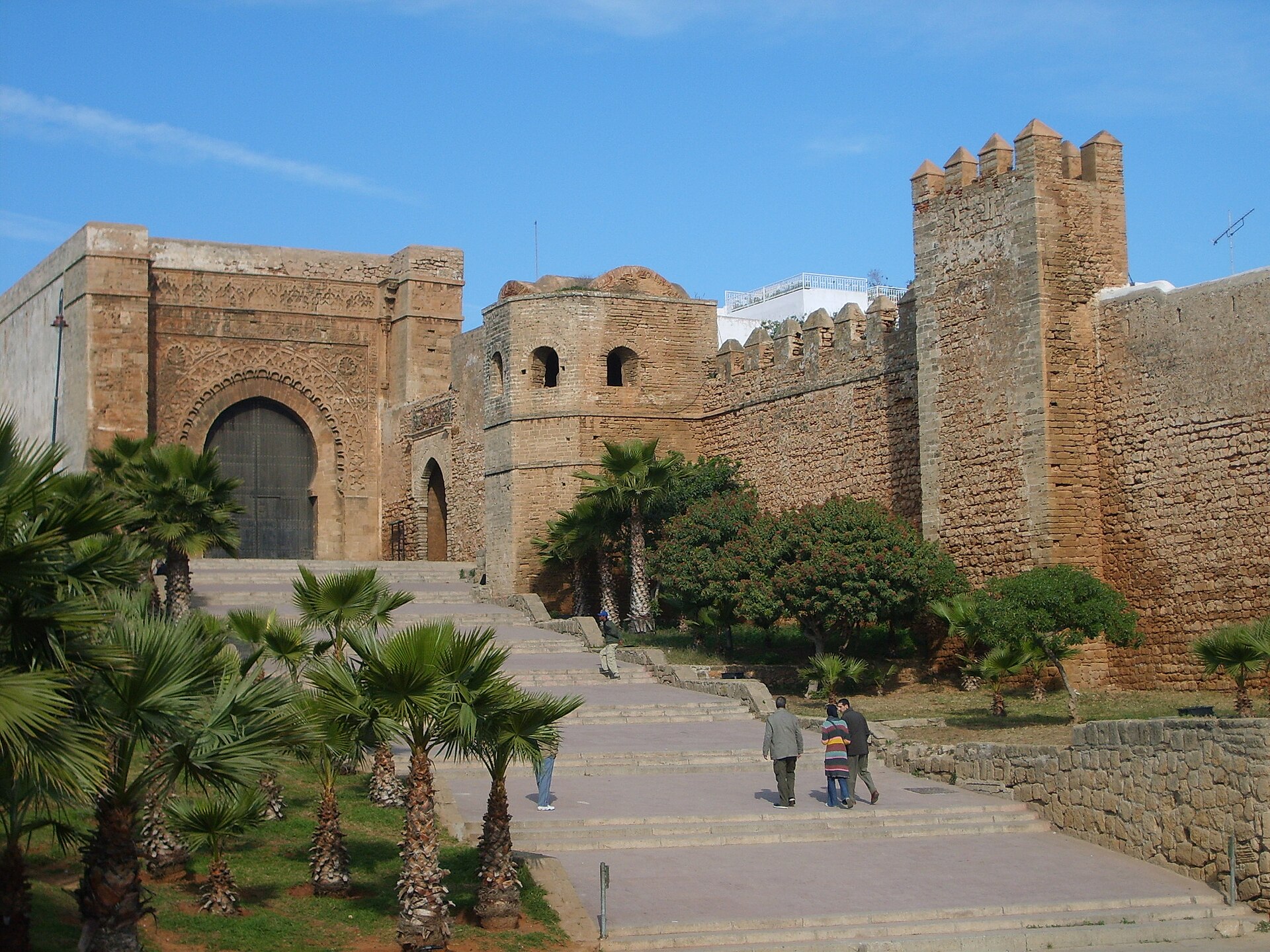 Casablanca
Morocco 12 Day Tour from Casablanca: Imperial Cities, Blue City, Sahara and Marrakech
from €1,102 per person
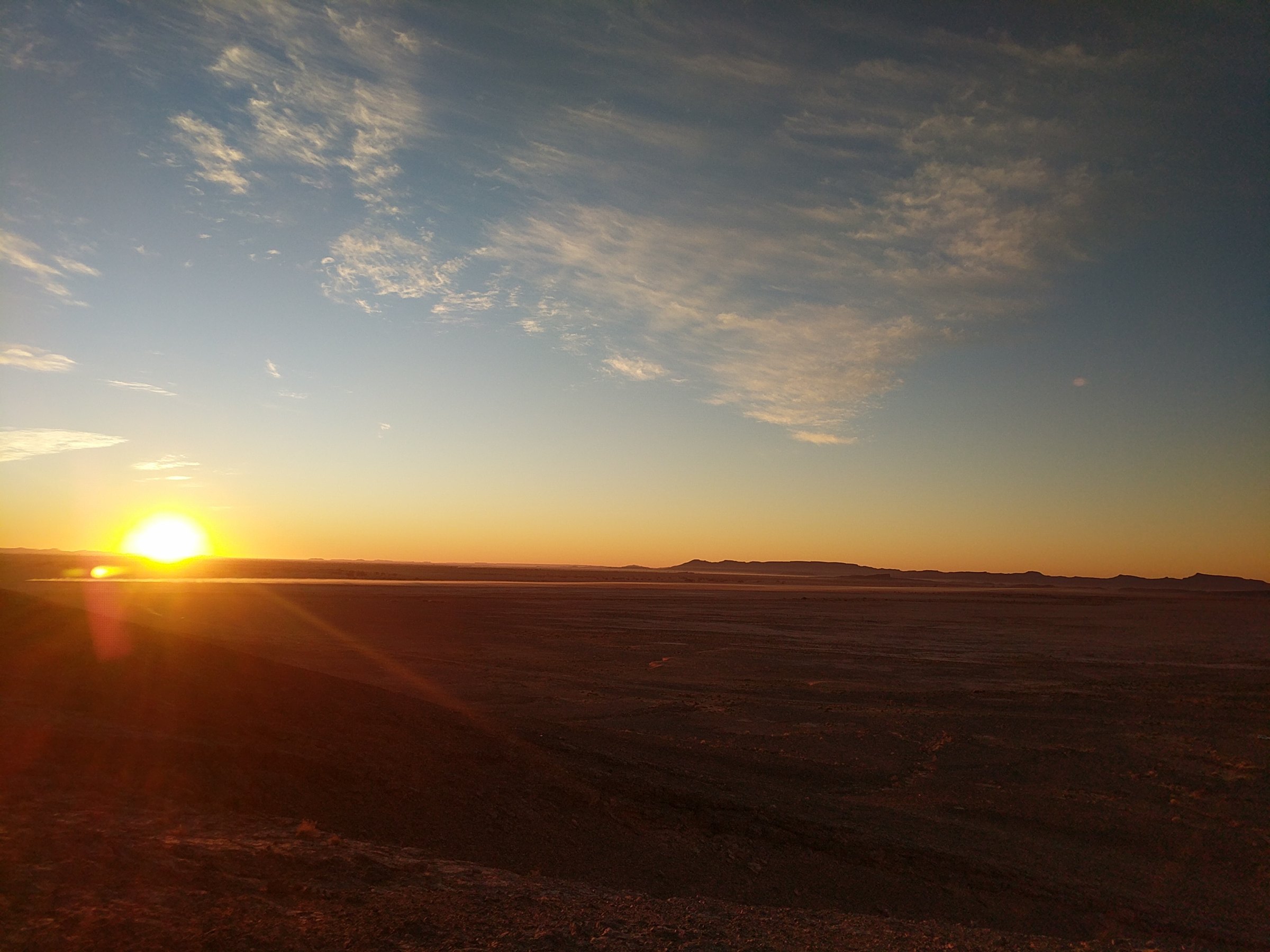 Casablanca
10 Days Casablanca Desert Tour: Two Deserts, Merzouga and Zagora
from €908 per person
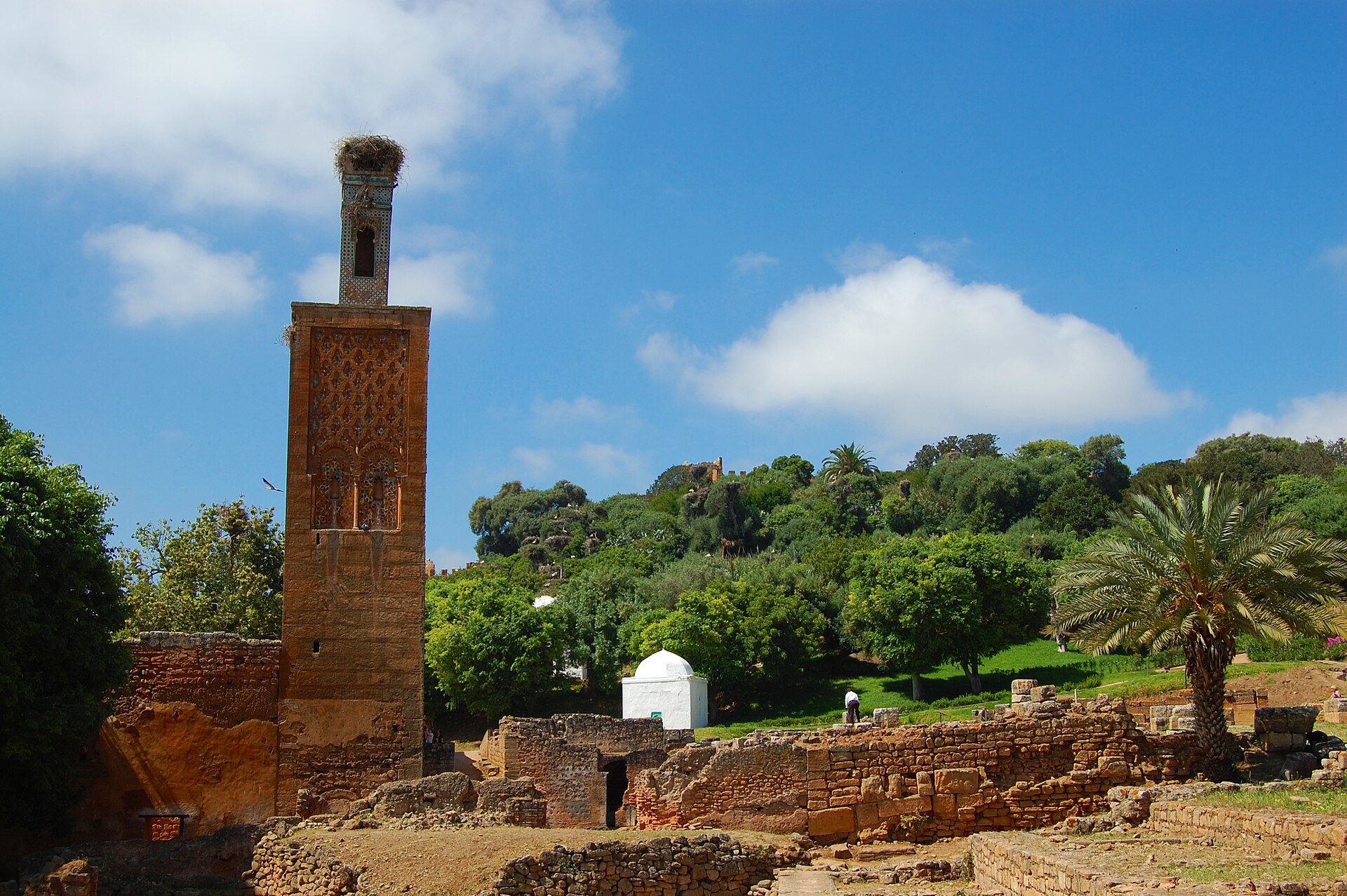 Casablanca
9 Days Tour from Casablanca: Rabat, Chefchaouen, Fes, Two Sahara Nights and Marrakech
from €811 per person
 Casablanca
6 Days Trip from Casablanca: Fes, the Sahara, the Dades Valley and Marrakech
from €521 per person