

Photos: Johannes K Becker, CC BY-SA 3.0 · Michal Osmenda from Brussels, Belgium, CC BY-SA 2.0 · gailhampshire from Cradley, Malvern, U.K, CC BY 2.0 · Elena Tatiana Chis, CC BY-SA 4.0 · gailhampshire from Cradley, Malvern, U.K, CC BY 2.0
About
Easter falls in spring, the best season to cross Morocco: warm days, cool nights, snow still on the High Atlas peaks, green oases in the south and comfortable temperatures in the Sahara. This seven-day private tour uses the Easter or spring school holidays to cross the country one way, from Marrakech to Fes, with two nights in the desert area instead of one, so the Sahara is a real part of the trip and not a quick stop. You cross the High Atlas by the Tizi n'Tichka pass, watch the sunset at the ksar of Ait Ben Haddou, follow the Road of a Thousand Kasbahs through the Valley of Roses and the Dades, walk in the Todra Gorge, ride a camel into the dunes of Erg Chebbi, spend a full day in the desert with a 4x4 tour, then drive north through the cedar forests of the Middle Atlas to end with a guided morning in the medina of Fes. AT A GLANCE • Duration: 7 days, 6 nights • Start: Marrakech (airport or riad) – Finish: Fes (riad, airport or train station) • Season: Easter and spring school holidays (March–April); the same route works all year • Type: private tour with your own driver; local guides in Ait Ben Haddou and Fes • Nights: Marrakech, Ait Ben Haddou, Dades valley, desert camp in Erg Chebbi, Merzouga, Fes • Driving: from about 3 hours (Day 2) to about 8 hours (Day 6), with stops • Activity level: easy; good for families with children THE ROUTE DAY BY DAY • Day 1 – Arrival in Marrakech, evening at Jemaa el-Fna. • Day 2 – Over the Tizi n'Tichka to Ait Ben Haddou: about 190 km. • Day 3 – Ouarzazate, Skoura and the Valley of Roses to the Dades: about 160 km. • Day 4 – Todra Gorge to Merzouga, camel trek and desert camp: about 300 km. • Day 5 – A full day in the Sahara: sunrise, 4x4 tour, Khamlia, sunset. • Day 6 – Merzouga to Fes via the Ziz valley, Midelt and Ifrane: about 470 km. • Day 7 – Guided morning in the Fes medina and departure. WHY EASTER IS A GOOD TIME In late March and April, days in Marrakech and the south are usually around 22–28 °C and the desert is comfortable for camel rides and walks, while nights are cool. Almond and fruit trees blossom in the Atlas, the oases are green, and in some years the first Damask roses appear in the Valley of Roses (the rose harvest and festival usually come in late April or May). Snow can still lie on the high peaks and, occasionally, on the Tichka pass for a few hours. WHY BOOK EARLY Easter is one of the busiest weeks of the year. Good riads in Marrakech and Fes, the best desert camps and family rooms fill up months ahead, so we recommend booking as soon as your school holiday dates are known. WHO WILL ENJOY IT Families on school holidays, couples and friends using a spring break, first-time visitors who want the classic route from the red city to the imperial city, and anyone who wants more than one night in the Sahara. WHO MIGHT PREFER ANOTHER TOUR If you travel outside the holidays, the 7-day Morocco itinerary with the Atlas, two Sahara nights and Fes follows a similar route at any time of year. PRACTICAL INFORMATION Pack layers: T-shirts for the day, a fleece and a warm jacket for evenings in the mountains and the desert. Bring sun protection, a scarf against wind and sand, and comfortable shoes. Tell us the ages of children for child seats and family rooms. In some years Ramadan or Eid falls close to the spring holidays; we tell you if it affects your dates.
from €618 per person
Select date and travelers
Duration
7 days
Starts in
Marrakech
Ends in
Marrakech
Private tourOnly your group, with your own driver and vehicle. Your booking is confirmed straight away.
Free cancellationFull refund if canceled up to 24 hours before the start of the experience (local time)
Reserve now and pay laterReserve your spot while maintaining flexibility.
Lowest price guaranteedFound a lower price online? We'll refund the difference.
Included
Everything included in your package
Standard
Private tour
- Pick-up and drop-off at your hotel or riad
- Private air-conditioned vehicle for the whole trip
- Professional English or French-speaking driver
- Comfortable hotels or riads with private bathroom
- Daily breakfast and dinner
- Bottled water during the trip
LuxuryUpgrade
Private tour
- Pick-up and drop-off at your hotel or riad
- Private premium vehicle for the whole trip
- Professional English or French-speaking driver
- Charming riads, boutique hotels and luxury desert camp
- Daily breakfast and dinner
- Bottled water and snacks during the trip
- Flexible departure times
Itinerary: 7 days, day by day
Highlights
- Jemaa el-Fna
- Ait Ben Haddou
- Valley of Roses
- Todra Gorge
- Erg Chebbi camp
- Khamlia
- Nomad family
- Ziz Valley
| Day | Route | Overnight | On the road |
|---|---|---|---|
| 1 | Arrival in Marrakech | Marrakech | — |
| 2 | Marrakech - Ait Ben Haddou | Ait Ben Haddou | 130 km · 2 h |
| 3 | Ait Ben Haddou - Boumalne Dades | Boumalne Dades | 150 km · 2 h |
| 4 | Boumalne Dades - Todra Gorge - Merzouga | Merzouga | 270 km · 4 h |
| 5 | Sahara day | Merzouga | — |
| 6 | Merzouga - Fes | Fes | 440 km · 6.5 h |
| 7 | Guided day in Fes and departure | — | — |
Day 1: Arrival in Marrakech
What to expect: an easy arrival, a transfer to your riad in the medina and your first evening at Jemaa el-Fna. Your driver meets you at Marrakech-Menara airport, holding a sign with your name, and takes you to your riad in the medina, about 20–30 minutes away. If your riad is in a lane cars cannot enter, a porter brings your luggage the last few minutes on foot. After settling in, rest on the roof terrace with a mint tea. In the evening, walk to Jemaa el-Fna square as the food stalls light up: musicians, storytellers and the smoke of the grills fill the air. Children love the fresh orange juice stands and the snail sellers. Your riad can recommend a family-friendly restaurant if you prefer to sit down. SCHEDULE (times are estimates) Arrival – Airport pick-up and transfer to your riad. Afternoon – Free time to rest. Evening – Walk to Jemaa el-Fna. GOOD TO KNOW • Change some money or use an ATM at the airport: you will need dirhams for the road. • Jemaa el-Fna is busy at night; keep bags closed and children close by. • Henna artists and photo sellers in the square ask for money; agree a price first or politely decline. WHAT YOU'LL TASTE Grilled meat, harira soup and fresh orange juice at the stalls of Jemaa el-Fna. INCLUDED: airport transfer, riad night with breakfast. NOT INCLUDED: dinner, tips. Overnight: Marrakech (riad) Meals: none (breakfast from Day 2)
Jemaa el-Fna
Duration: Evening
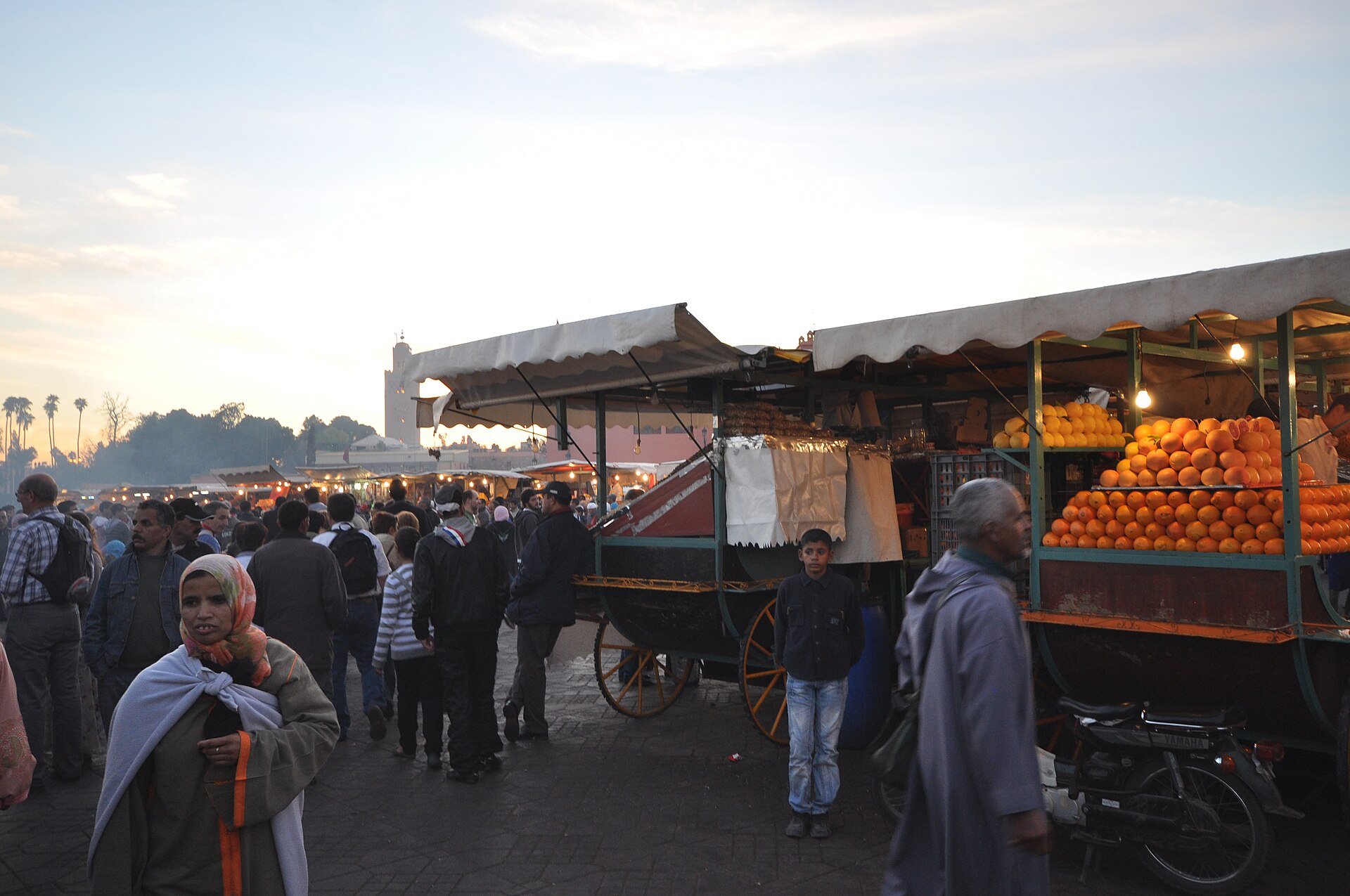
The great square of Marrakech, listed by UNESCO for its storytellers and performers. Practical: agree prices before photographing performers.
Day 2: Marrakech to Ait Ben Haddou
About 130 km · 2 h on the road
What to expect: a short driving day over the High Atlas and a guided visit of Ait Ben Haddou in the evening light. After breakfast your driver collects you and heads south over the Haouz plain into the High Atlas. In spring the almond trees and the walnut terraces around the Berber villages are in leaf, and snow often still caps the peaks. Stop for coffee near Taddert, where a women's cooperative shows how argan oil is made, then climb to the Tizi n'Tichka pass (about 2,260 m), the highest paved pass in Morocco. On the southern side the landscape turns dry and red. You reach Ait Ben Haddou in the early afternoon, have lunch and check in. Later, with a local guide, you cross the river and climb through the ksar, a fortified village of earthen houses on the old caravan route, a UNESCO World Heritage Site and the setting of films such as Gladiator. Reach the old granary at the top as the walls turn orange at sunset. SCHEDULE (times are estimates) 09:00 – Pick-up at your riad. 10:30 – Coffee stop and argan cooperative near Taddert. 11:30 – Tizi n'Tichka pass (photo stop). 14:00 – Ait Ben Haddou; lunch (not included). 16:30 – Guided walk through the ksar and sunset. 19:30 – Dinner at the hotel. GOOD TO KNOW • The Tichka road has many bends; sit in front and take something for car sickness if needed. • Bring a warm layer: the pass is often 10 °C colder than Marrakech, even at Easter. • The steps in the ksar are steep; children enjoy the climb but hold small hands. INCLUDED: vehicle and driver, local guide in Ait Ben Haddou, hotel with dinner and breakfast. NOT INCLUDED: lunch, drinks, tips. Overnight: Ait Ben Haddou (hotel) Meals: breakfast, dinner
Ait Ben Haddou
Duration: About 2 hours
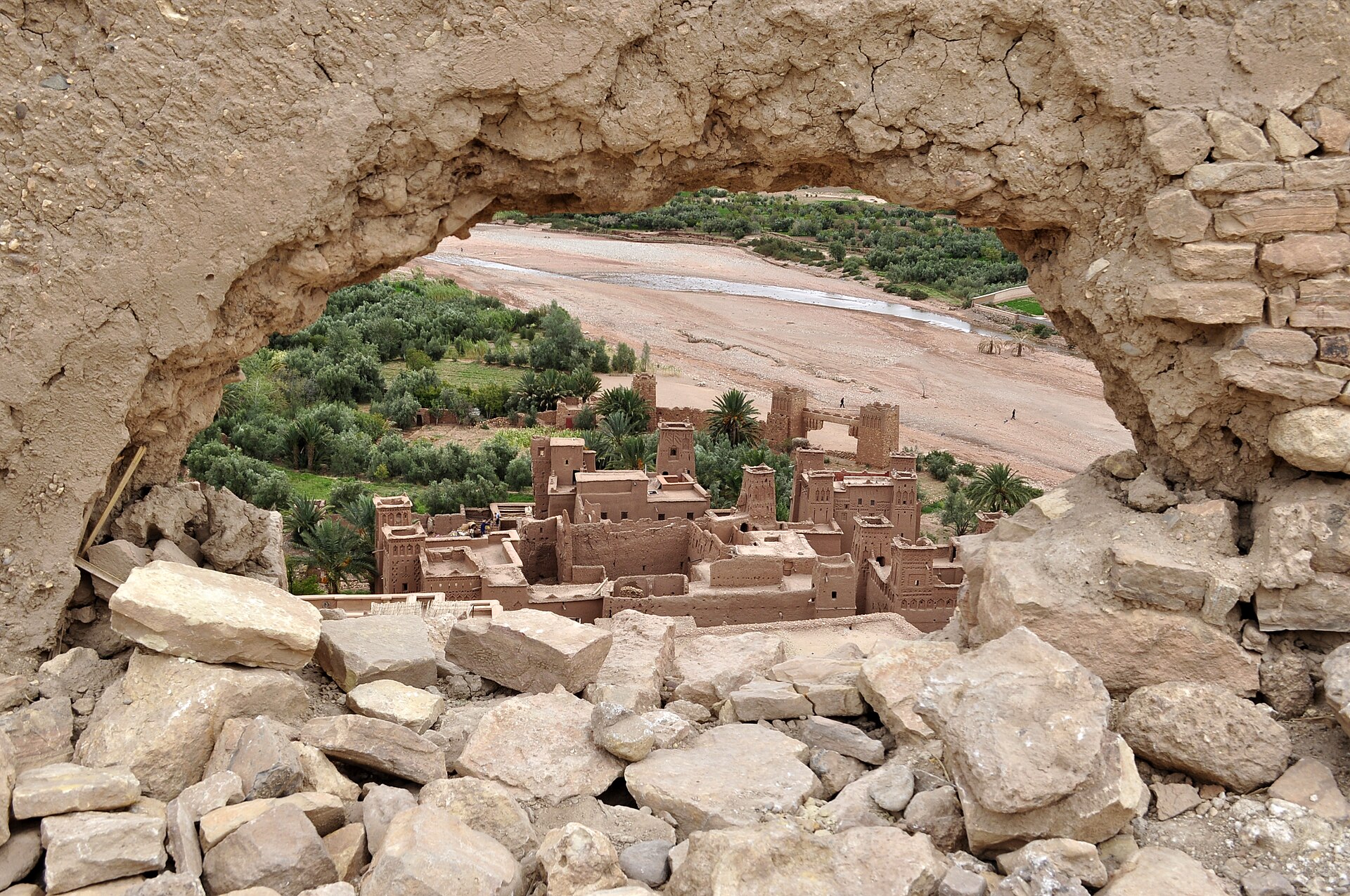
A UNESCO ksar used in many films. Practical: the granary at the top has the best view.
Day 3: Valley of Roses to the Dades
About 150 km · 2 h on the road
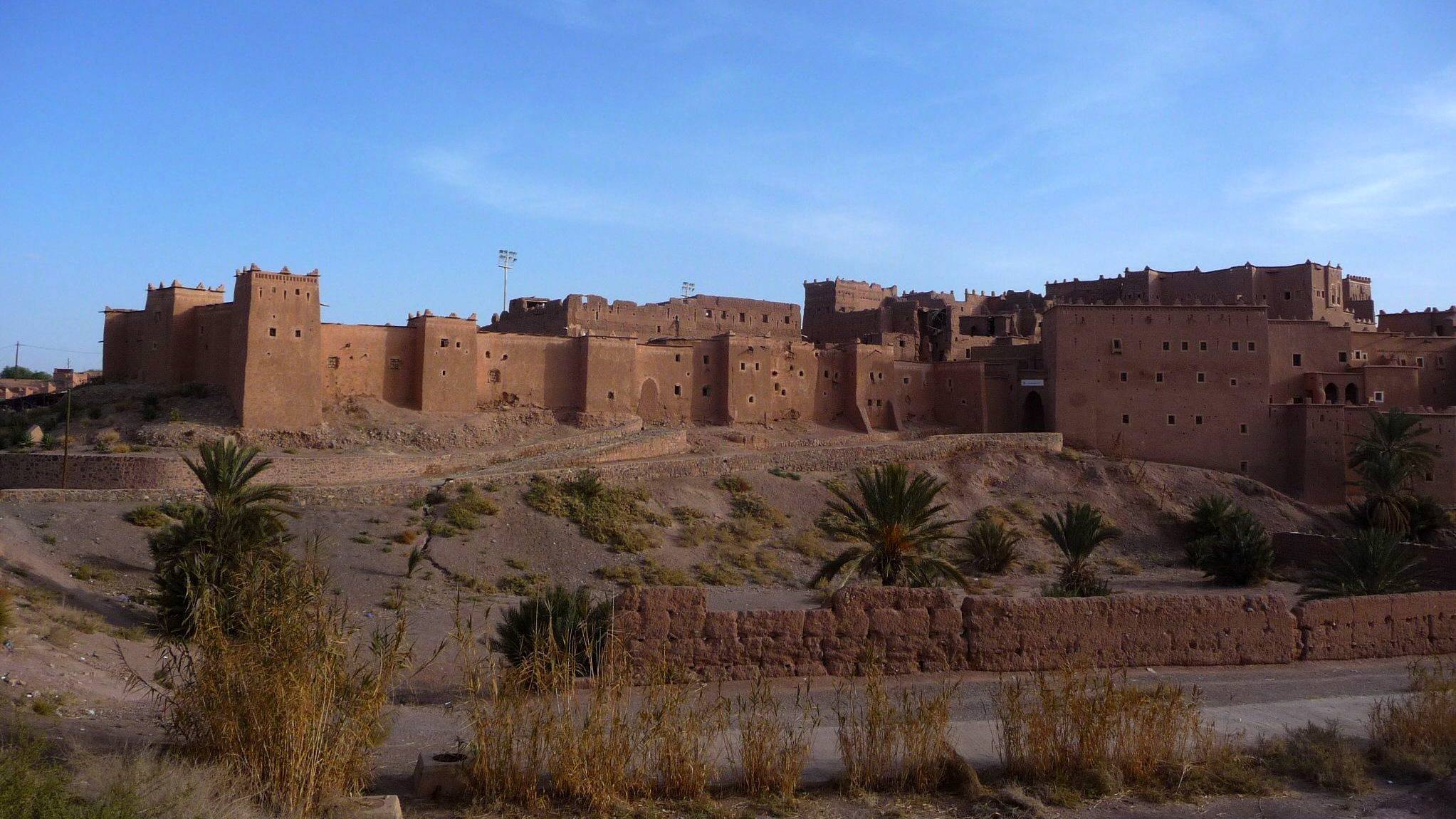
What to expect: a relaxed day on the Road of a Thousand Kasbahs, with green spring oases and, in some years, the first roses. If you wake early, walk back to the ksar for sunrise, when it is empty and silent. After breakfast, drive 30 minutes to Ouarzazate and visit the Taourirt kasbah, the earthen palace of the Glaoui family, or a film studio where sets from desert films still stand – a favourite with children. Then follow the oases east. In Skoura, stop at a viewpoint over the palm grove and the Amridil kasbah. After lunch, cross Kelaat M'Gouna and the Valley of Roses, where hedges of Damask roses border the fields and small shops sell rose water and rose oil; at Easter the first buds may be opening, while the harvest and rose festival usually come later in spring. In the late afternoon you enter the Dades valley, and your driver can climb the famous hairpin road of the Dades gorge for the view before dinner. SCHEDULE (times are estimates) 09:00 – Ouarzazate: Taourirt kasbah or film studio (about 1 hour). 11:00 – Skoura palm grove and Amridil kasbah viewpoint. 13:00 – Lunch (not included). 14:00 – Kelaat M'Gouna and the Valley of Roses. 16:30 – Dades gorge hairpins viewpoint (optional). 17:30 – Hotel in the Dades valley. GOOD TO KNOW • Rose products vary in quality; cooperatives usually sell the genuine ones. • Keep small change for entrance fees. INCLUDED: vehicle and driver, hotel with dinner and breakfast. NOT INCLUDED: entrance fees, lunch, drinks, tips. Overnight: Dades valley (hotel or kasbah) Meals: breakfast, dinner
Valley of Roses
Duration: About 30 minutes
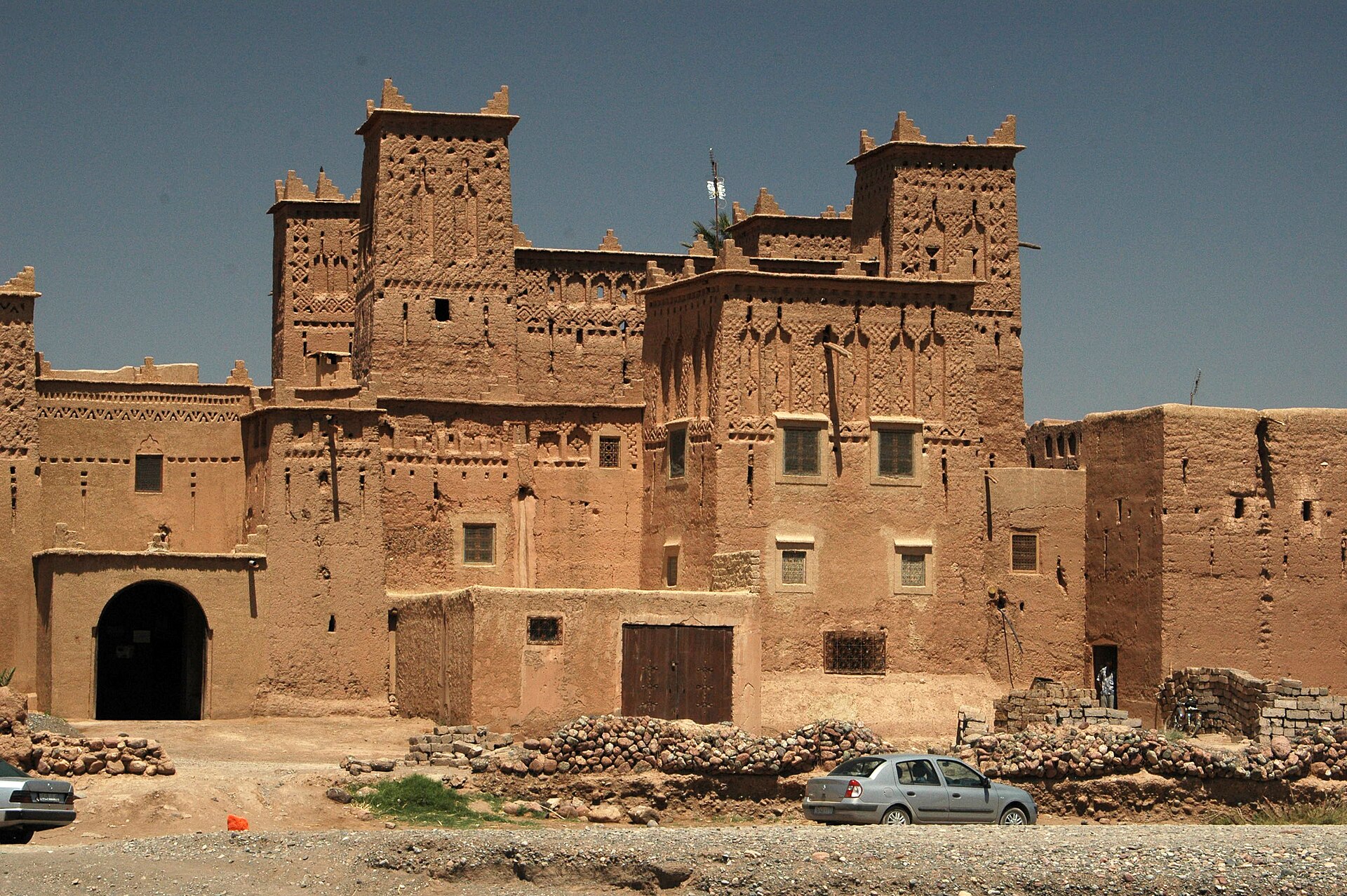
Rose hedges, blooming from late April. Practical: rose water for sale.
Day 4: Todra Gorge to Merzouga
About 270 km · 4 h on the road
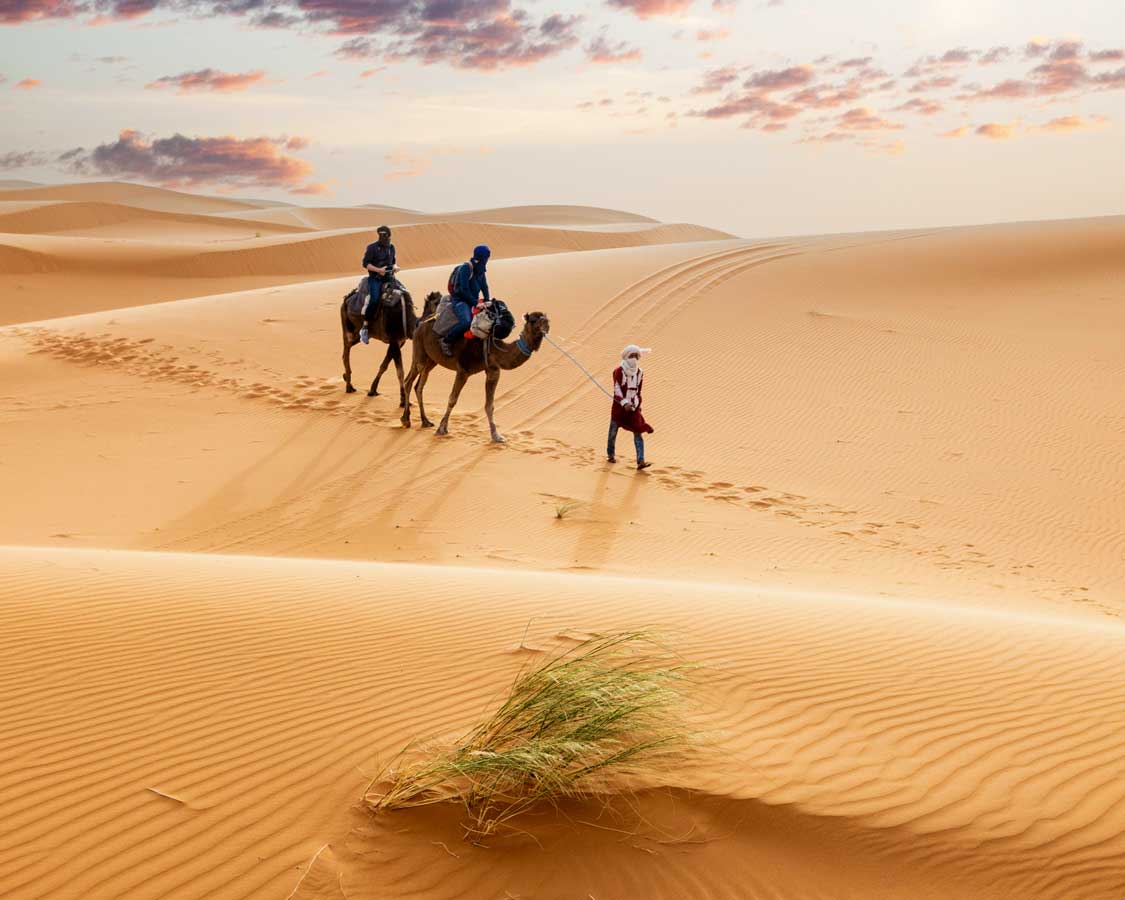
What to expect: a walk in the Todra Gorge, the road to the dunes and a camel trek at sunset to a desert camp. You pass the rock formations of the Dades, nicknamed the "monkey fingers", and reach Tinghir, with one of the largest palm groves in Morocco. Just beyond, the Todra Gorge narrows to a corridor with walls up to 300 m high above a clear stream; the walk along the flat riverbed takes about an hour, and in spring children often paddle in the water. After lunch the road crosses the stony plain via Tinejdad and Erfoud, where fossil workshops cut and polish 400-million-year-old sea fossils, and the orange dunes of Erg Chebbi appear on the horizon. At the edge of the dunes you leave your main luggage in the vehicle and meet your camel caravan. The ride takes about 1 to 1.5 hours to a ridge for sunset, then on to the camp, where mint tea, dinner, Berber drums around the fire and a sky full of stars await. Tents have proper beds and blankets. SCHEDULE (times are estimates) 08:30 – Departure from the Dades valley. 10:00 – Todra Gorge walk (about 1 hour). 12:30 – Lunch near Tinghir (not included). 14:30 – Erfoud: fossil workshop (optional). 16:30 – Camel trek into the dunes. 18:30 – Sunset, then the desert camp. 20:00 – Dinner and music around the fire. GOOD TO KNOW • Pack a small overnight bag: warm layer, toiletries, charger, head torch. • Young children ride with an adult; anyone who prefers not to ride can reach the camp by 4x4. • Spring nights in the desert are cool, around 10–15 °C. INCLUDED: vehicle and driver, camel trek, desert camp with dinner and breakfast. NOT INCLUDED: lunch, drinks, tips. Overnight: Erg Chebbi (desert camp) Meals: breakfast, dinner
Todra Gorge
Duration: About 1 hour
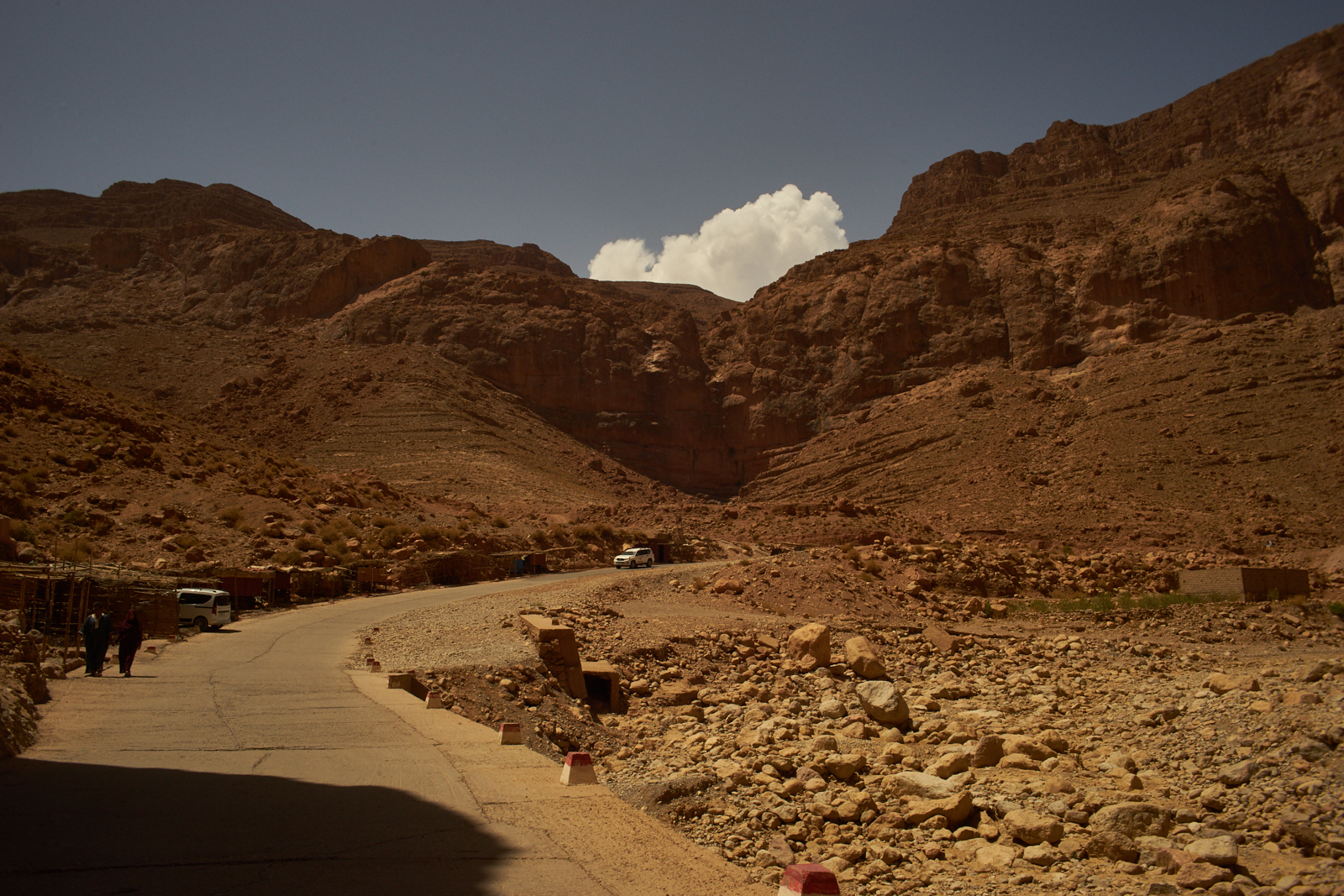
A canyon with walls about 300 m high. Practical: flat walk along the river.
Erg Chebbi camp
Duration: Overnight
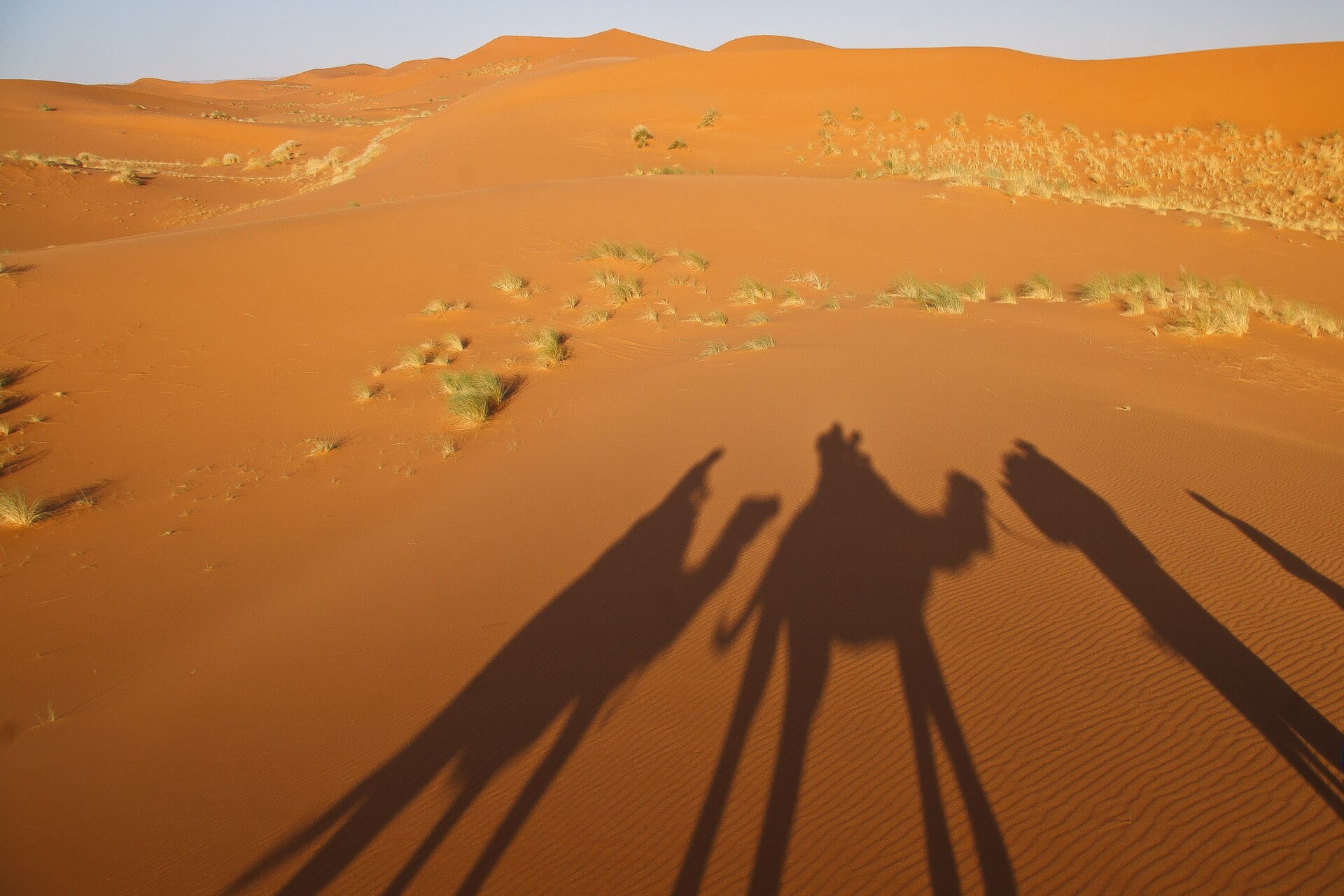
Tents among the dunes, dinner and drums. Practical: small bag only.
Day 5: Sahara day
What to expect: a whole day in the Sahara – sunrise on the dunes, a 4x4 tour to a nomad family and the Gnawa village of Khamlia, free time and a second sunset. Wake before dawn and climb a dune for sunrise. After breakfast at the camp, you return to the edge of the dunes and set off with your driver in a 4x4 around the Erg Chebbi. You visit a nomad family in their woven tent and share a glass of tea, stop at Khamlia, where descendants of sub-Saharan families play Gnawa music, see fossil sites and old mines, and, in a wet spring, the seasonal lake where flamingos sometimes stop. The afternoon is free: rest at your hotel by the dunes (many have a pool), try sandboarding, or book an optional quad ride. Before sunset, climb a dune again to watch the light change across the sand. Tonight you sleep in a hotel or auberge at the foot of the dunes. SCHEDULE (times are estimates) 06:00 – Sunrise on the dunes. 08:00 – Breakfast at the camp, return to Merzouga. 09:30 – 4x4 tour: nomad family, Khamlia and Gnawa music, fossils. 13:00 – Lunch (not included). 14:30 – Free time: pool, sandboarding or optional quad. 18:00 – Sunset on the dunes. 19:30 – Dinner at the hotel. GOOD TO KNOW • Musicians in Khamlia welcome a contribution after the performance. • Quad and buggy rides are optional and paid locally. • Wear sunglasses and a scarf: the wind can lift the sand in spring. INCLUDED: driver and 4x4 tour, hotel or auberge with dinner and breakfast. NOT INCLUDED: lunch, drinks, optional activities, tips. Overnight: Merzouga (hotel or auberge) Meals: breakfast, dinner
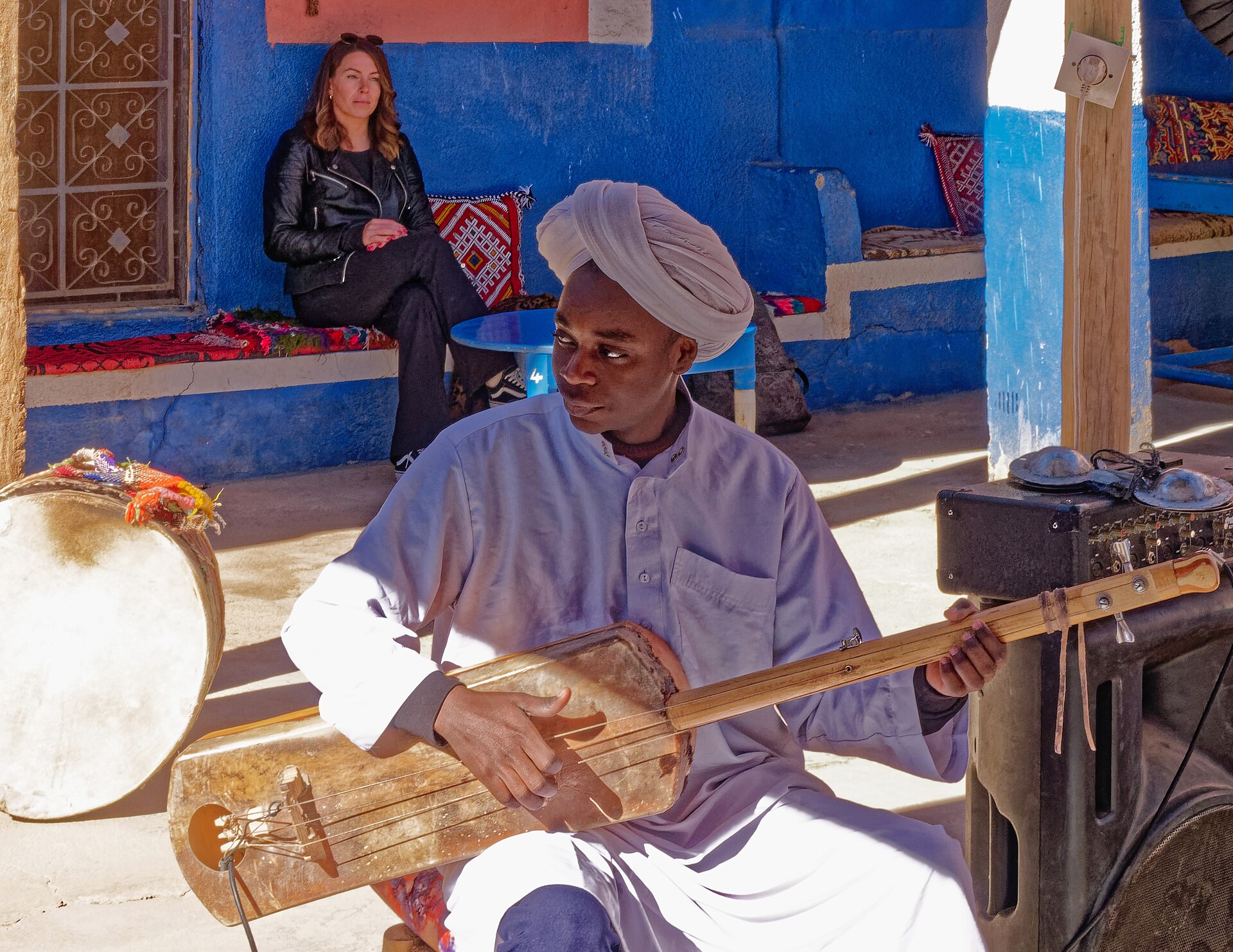
Khamlia
Duration: About 45 minutes
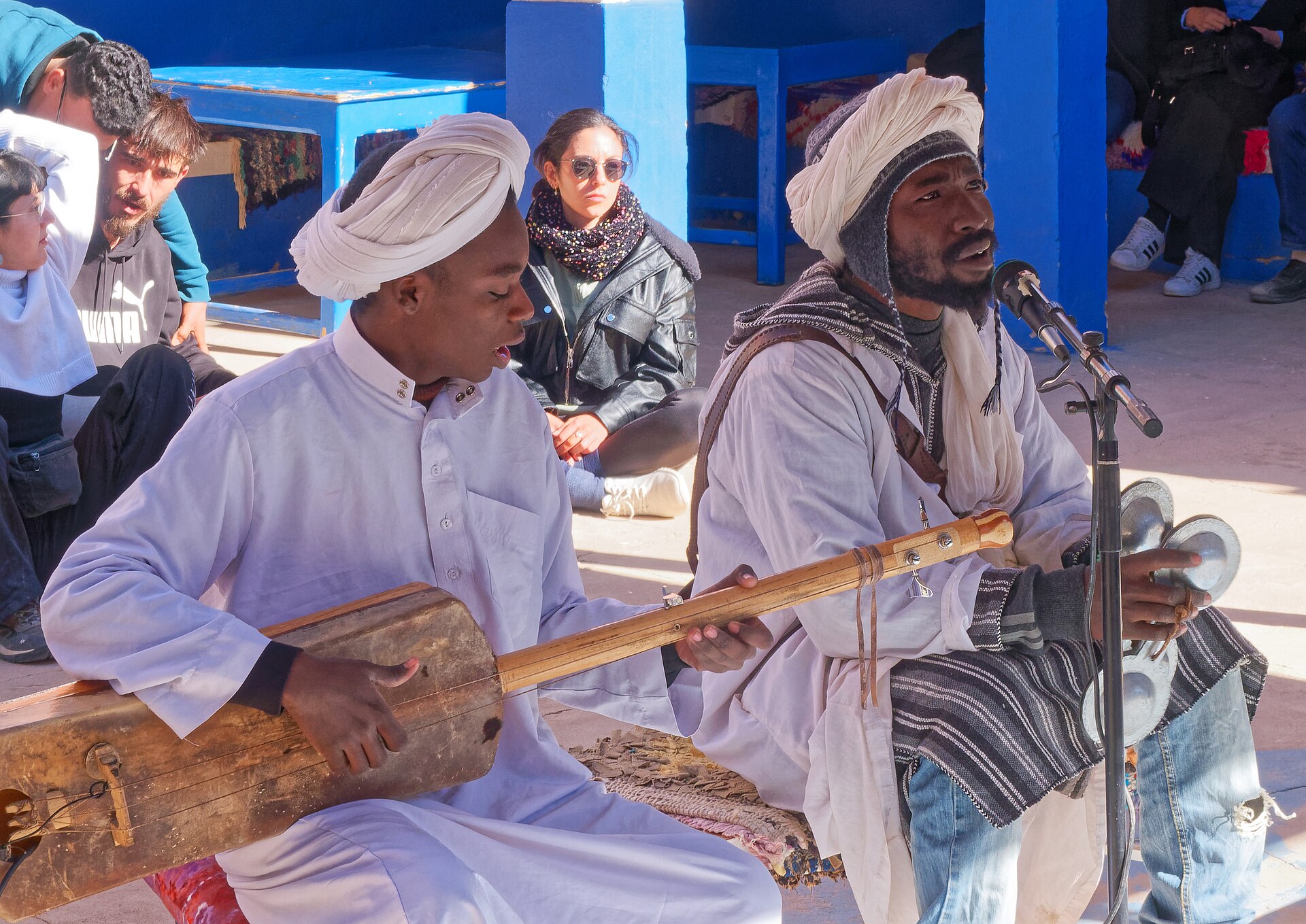
A village of Gnawa musicians. Practical: contribution expected.
Nomad family
Duration: About 45 minutes
Tea in a tent of woven goat hair. Practical: ask before photos.
Day 6: Merzouga to Fes
About 440 km · 6.5 h on the road
What to expect: the longest drive of the trip, from the dunes to the cedar forests, about 8 hours with regular stops. After breakfast you head north along the Ziz valley, where a long ribbon of palm groves and earthen villages winds through a deep canyon, with viewpoints for photos. You cross Errachidia and the high plateaus to Midelt, at the foot of the snow-capped Jebel Ayachi, a good stop for lunch. In the afternoon the road climbs into the Middle Atlas. In the cedar forest near Azrou you stop to see the Barbary macaques that live among the trees, always a highlight for children. Then pass through Ifrane, a small mountain town built in an alpine style, before descending to Fes. You arrive at your riad in the early evening. SCHEDULE (times are estimates) 08:00 – Departure from Merzouga. 10:00 – Ziz valley viewpoint. 13:00 – Lunch in Midelt (not included). 15:00 – Cedar forest and Barbary macaques. 15:45 – Ifrane (short stop). 17:30 – Arrival at your riad in Fes. GOOD TO KNOW • Do not feed the macaques: it is harmful to them and they can grab bags. • Keep snacks, water and games in the car for the long afternoon. INCLUDED: vehicle and driver, riad with breakfast. NOT INCLUDED: lunch, dinner, drinks, tips. Overnight: Fes (riad) Meals: breakfast
Ziz Valley
Duration: About 15 minutes
A palm grove in a red canyon. Practical: dates for sale.
Ifrane
Duration: About 20 minutes
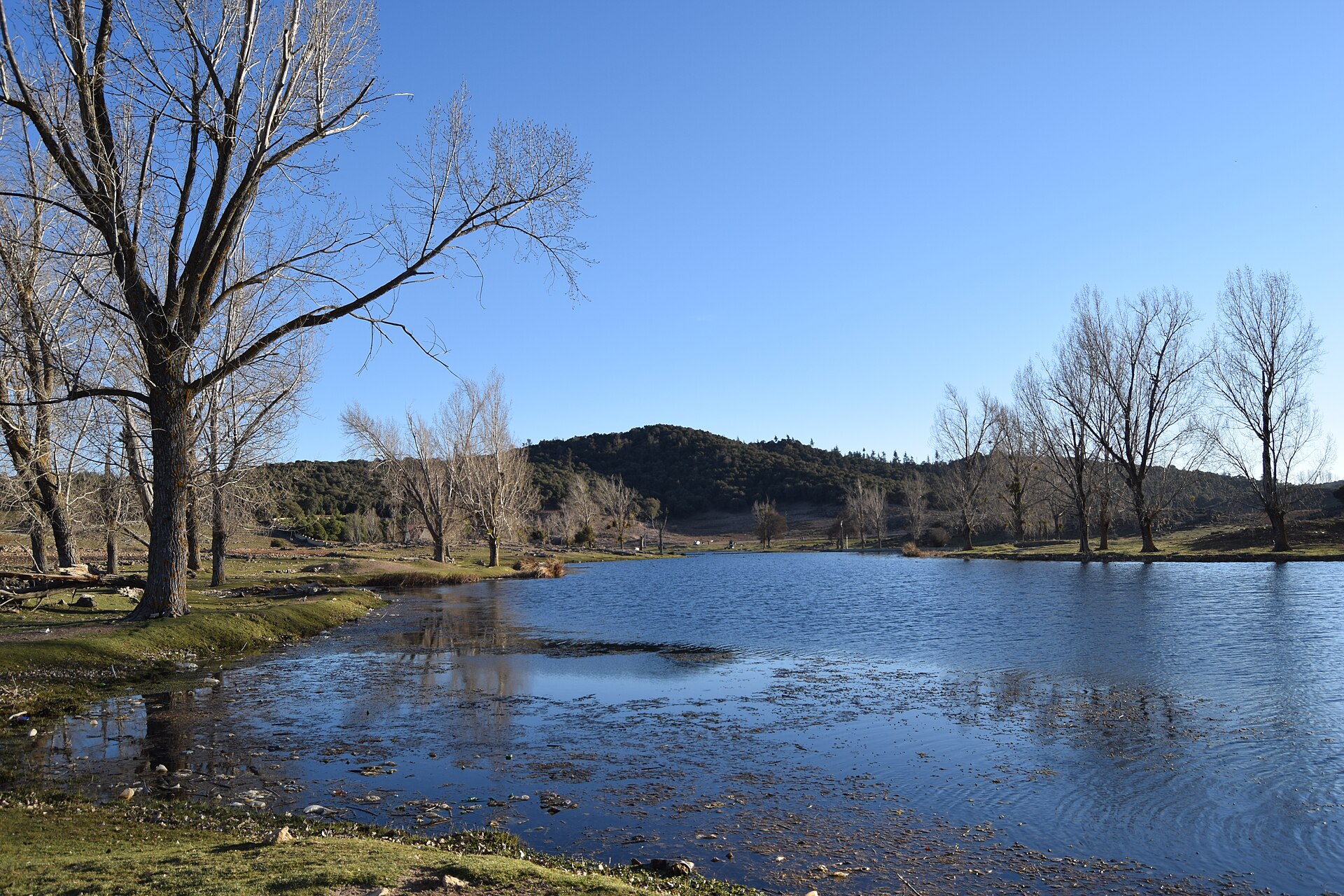
An alpine-style town of the 1930s. Practical: cool.
Day 7: Guided day in Fes and departure
What to expect: a guided morning in the medina of Fes el-Bali, one of the largest car-free urban areas in the world, then your onward journey. A licensed local guide meets you at your riad. Fes el-Bali, a UNESCO World Heritage Site, is a maze of thousands of lanes where donkeys still carry goods. With your guide you see the Bou Inania madrasa and its carved cedar and stucco, the Nejjarine fountain and woodwork square, the doors of the Al Quaraouiyine mosque and university, founded in the 9th century, and the Chouara tannery, viewed from a leather shop terrace above the dye pits. Along the way you meet coppersmiths, weavers and pastry sellers. After lunch your driver takes you to Fes airport or train station, or you can stay on in Fes. SCHEDULE (times are estimates) 09:00 – Guided walk in the medina. 12:30 – Lunch in the medina (not included). 14:00 – Transfer to the airport or train station. GOOD TO KNOW • The tannery smell is strong: shops offer a sprig of mint to hold. • Wear comfortable shoes; the lanes are steep and uneven. • Book your onward flight for the afternoon or evening, or add a night in Fes. INCLUDED: licensed local guide, transfer. NOT INCLUDED: entrance fees, lunch, tips. Overnight: not included (end of the tour) Meals: breakfast
Plan your trip
Best time to go
- March to May: the best season, warm days and green valleys.
- September to November: pleasant days and clear, starry desert nights.
- December to February: sunny days, but desert and mountain nights are cold (bring warm layers).
- June to August: very hot in the Sahara (often above 40 °C); early starts help.
Getting there
Make it yours
This is a private tour: we can add a night, change hotels or adjust the route to suit you.
Practical info
- Money: the Moroccan dirham (MAD). Cards work in cities and hotels; bring cash for villages, tips and souks.
- Plugs: type C and E (European), 220 V.
- Phone: a local SIM (Maroc Telecom, Orange or inwi) is cheap at the airport and works along the whole route.
- Visa: many nationalities (EU, UK, US, Canada, Australia) need none for up to 90 days. Check the rules for your passport before you go.
What to bring
- Comfortable shoes for the medinas and the dunes
- Warm layers for desert nights
- A scarf or hat, sunglasses and sunscreen
- Some cash in dirhams for tips and small purchases
- Clothes covering shoulders and knees for villages and religious sites
- Your passport (hotels ask for it at check-in)
Good to know
Cancellation policy
Full refund if you cancel at least 24 hours before the start. Cancellations less than 24 hours before are not refunded. If bad weather stops the tour, you get a new date or a full refund.
Accessibility
Not wheelchair accessible. Child seats or chairs available.
Frequently Asked Questions
Is Easter a good time to visit Morocco?
Yes. Late March and April are among the best months: warm days, cool nights, green oases and comfortable temperatures in the Sahara. Snow can still lie on the High Atlas peaks, which makes the mountain crossings very scenic.
What is the weather like at Easter?
In Marrakech and the south, days are usually around 22–28 °C. In the desert, days are warm and nights cool, around 10–15 °C. In the Middle Atlas and around Ifrane it can be cold, and snow is possible on high ground. Pack layers.
Is it a private tour?
Yes. Only your family or group travels in the vehicle, with your own driver for all seven days. Start dates follow your holidays and the pace adapts to you.
Should I book early for Easter?
Yes. Easter is one of the busiest weeks of the year. Good riads, family rooms and the best desert camps fill up months ahead, so book as soon as your school holiday dates are known.
Is the tour suitable for children?
Yes. Children usually love the camel ride, the dunes, sandboarding, the fossils, the film studios and the macaques in the cedar forest. Driving days are broken up with regular stops. Tell us the children's ages for child seats and family rooms.
Why two nights in the desert area?
One night in a camp among the dunes and one in a hotel at their edge give you two sunsets and two sunrises, a full day to explore the Sahara by 4x4 and time to rest by a pool, instead of arriving at dusk and leaving at dawn.
Which meals are included?
Breakfast every day from Day 2, and dinner in Ait Ben Haddou, the Dades valley, the desert camp and Merzouga. Lunches, the dinners in Marrakech and Fes and drinks are not included.
Will the roses be in bloom at Easter?
Sometimes the first roses appear in the Valley of Roses in April, but the main harvest and the rose festival in Kelaat M'Gouna usually take place in late April or May. You will still see the hedges and can buy rose water and oils.
Does Ramadan affect the trip?
In some years Ramadan or Eid falls close to the spring holidays. Tourist services keep working normally, though some cafés close during the day and life is quieter. We tell you when you book if it affects your dates.
Can the tour start or end somewhere else?
Yes. You can start in Casablanca, end in Marrakech instead of Fes, or add Chefchaouen at the end. Ask us and we will adapt the route and the number of days.
How long are the drives?
Day 2 is about 3–4 hours with stops, Days 3 and 4 about 5–7 hours, and Day 6, from Merzouga to Fes, is the longest at about 8 hours. Day 5 in the desert has almost no driving.
Do I need cash?
Yes. Cards are rarely accepted outside the cities, so take out dirhams in Marrakech. Budget for lunches, drinks, entrance fees, tips and souvenirs such as fossils, rose products and leather.
What should we pack?
Layers for warm days and cool nights, a fleece and warm jacket for the mountains and desert evenings, sunglasses, sun cream, hats, a scarf against sand, comfortable shoes, a small bag for the camp night and a head torch.
How do I pay for this tour?
You can reserve with €20 now and pay the rest on the first day of the tour, or pay everything online when you book.
What is the cancellation policy?
Cancel at least 24 hours before the start for a full refund. If bad weather stops the tour, you get a new date or a full refund.
How far in advance should I book?
Spring (March to May) and autumn (September to November) are the busiest seasons, so book early for those months. You can reserve with €20 and still cancel for free up to 24 hours before.
Similar experiences
 PopularMarrakech
3-Day Marrakech to Merzouga Desert Tour with Sahara Camp
5.0(5)
from €276 per person
 PopularMarrakech
Morocco Itinerary 10 Days: The Grand Loop from Marrakech
from €908 per person
 PopularMarrakech
5 Days Tour from Marrakech to Fes: Ait Ben Haddou, Dades and Two Nights in Merzouga
from €424 per person
 Marrakech
4 Days Morocco Tour: Marrakech, the High Atlas and Essaouira
from €327 per person