

About
This 10-day private itinerary explores northern Morocco slowly, the way most tours never have time to. Instead of rushing from city to city, you base yourself for several nights in Fes and in Chefchaouen and take day trips from there: to the Berber villages of Sefrou and Bhalil, the cedar forests of the Middle Atlas, the waterfalls of Akchour. Between them you visit Meknes, the Roman city of Volubilis and the holy town of Moulay Idriss, then end on the Mediterranean in Tetouan and Tangier, the gateway to Europe. There is no desert on this route – it is the green, mountainous, historic north. Drives are short (most under 3 hours), which leaves real time to walk, eat, talk and look. AT A GLANCE • Duration: 10 days, 9 nights • Start: Fes (airport, train station or your riad). Finish: Tangier (port, airport, station or hotel) • Type: private tour with your own driver; local guides can be added in the cities • Nights: 3 in Fes, 1 in Meknes, 3 in Chefchaouen, 1 in Tetouan, 1 in Tangier • Meals included: daily breakfast and dinner • Driving: short – usually 1 to 3 hours on travel days • Activity level: easy to moderate; the Akchour walk (Day 7) involves 2–5 hours on uneven paths WHY THIS ROUTE WORKS Staying several nights in the same place means fewer suitcases and more depth. Fes is one of the world's great medieval cities and needs more than an afternoon; Chefchaouen is at its best early in the morning and in the evening, when day visitors have left. The route then follows the old link between the imperial cities and the Mediterranean, finishing in Tangier for an easy ferry to Spain or a flight home. WHO WILL ENJOY IT Travellers interested in history, architecture, crafts and food; walkers and photographers; couples and families; anyone continuing to Spain by ferry; visitors who have already seen the Sahara or prefer cooler mountain landscapes. WHO MIGHT PREFER ANOTHER TOUR If seeing the Sahara is a must, choose an itinerary that includes Merzouga, such as our 10-day Marrakech to Fes tour. If you prefer to change hotel every night and see more places in less time, a shorter northern tour may suit you better. PRACTICAL INFORMATION Northern Morocco is cooler and greener than the south; in winter it rains, and evenings in Fes, Ifrane and Chefchaouen are cold – bring a warm jacket from November to March. Wear comfortable shoes for medina streets and the Akchour paths. Dress modestly in villages and religious towns such as Moulay Idriss (shoulders and knees covered). Non-Muslims cannot enter most active mosques in Morocco; your guide will show you the places you can visit, such as madrasas.
from €908 per person
Select date and travelers
Duration
10 days
Starts in
Fes
Ends in
Tangier
Private tourOnly your group, with your own driver and vehicle. Your booking is confirmed straight away.
Free cancellationFull refund if canceled up to 24 hours before the start of the experience (local time)
Reserve now and pay laterReserve your spot while maintaining flexibility.
Lowest price guaranteedFound a lower price online? We'll refund the difference.
Included
Everything included in your package
Standard
Private tour
- Comfortable Hotels or Riads
- Private Airport Transfers
- Private Transport Between Locations
- Daily Breakfast & Dinner
- Bottled Water During Travel
- Standard Room with Private Bathroom
LuxuryUpgrade
Private tour
- High-end Hotels or Riads
- Private Airport Transfers
- Personal Driver & Comfortable Transport
- Daily Breakfast & Dinner
- Bottled Water During Travel
- Private Room with En-suite Bathroom
- Luggage Assistance
- VIP Airport Meet & Greet
- Flexible Departure Times
- Complimentary Snacks During Travel
Itinerary: 10 days, day by day
Highlights
- Bab Boujloud (Blue Gate)
- Talaa Kebira and the souks
- Merinid tombs viewpoint
- Sefrou
- Bhalil
- Ifrane
- Azrou cedar forest
- Azrou
| Day | Route | Overnight | On the road |
|---|---|---|---|
| 1 | Discover the Cultural Treasures of Fes | Fes | — |
| 2 | Fes - Sefrou - Bhalil | Bhalil | 40 km · 1 h |
| 3 | Bhalil - Ifrane - Azrou - Bhalil | Bhalil | 150 km · 2 h |
| 4 | Bhalil - Fes - Meknes - Volubilis | Volubilis | 120 km · 1.5 h |
| 5 | Volubilis - Moulay Idriss - Chefchaouen | Chefchaouen | 170 km · 2.5 h |
| 6 | Full Day in Chefchaouen | Chefchaouen | — |
| 7 | Chefchaouen - Akchour | Akchour | — |
| 8 | Akchour - Chefchaouen - Tetouan | Tetouan | 70 km · 1 h |
| 9 | Tetouan - Cap Spartel - Tangier | Tangier | 80 km · 1 h |
| 10 | Explore Tangier – Gateway to Europe | — | — |
Day 1: Discover the Cultural Treasures of Fes
Welcome to Fes, Morocco's spiritual and craft capital and one of the largest car-free urban areas in the world. Today you settle into your riad and take your first steps into Fes el-Bali, the old medina founded in the 9th century, where donkeys still carry goods through lanes too narrow for cars. SCHEDULE (times are estimates and depend on your arrival) On arrival – Pick-up at Fes airport, train station or your accommodation; transfer to your riad (airport to medina usually 20–30 min). Afternoon – Rest, mint tea on the riad terrace. 16:00 – First walk in the medina: Bab Boujloud, the Talaa Kebira main street and the souks (about 2 hours, with a local guide if you add one). 18:30 – Sunset view over the medina from a terrace or from the Merinid tombs hill. 20:00 – Dinner at your riad. GOOD TO KNOW • The medina has around 9,000 lanes. On your first evening, go with a guide or stay on the main streets. • Your driver can only drop you at a medina gate; riad staff usually collect luggage with a hand cart. • Friday is the weekly holy day: some shops close around midday prayers. INCLUDED TODAY: arrival transfer, night in Fes, dinner. NOT INCLUDED TODAY: lunch, local guide (optional), entrance fees, tips. WHAT YOU TAKE AWAY: the sounds and smells of a living medieval city – and the calm of a riad courtyard after the noise of the souks.
Bab Boujloud (Blue Gate)
Duration: 15 minutes
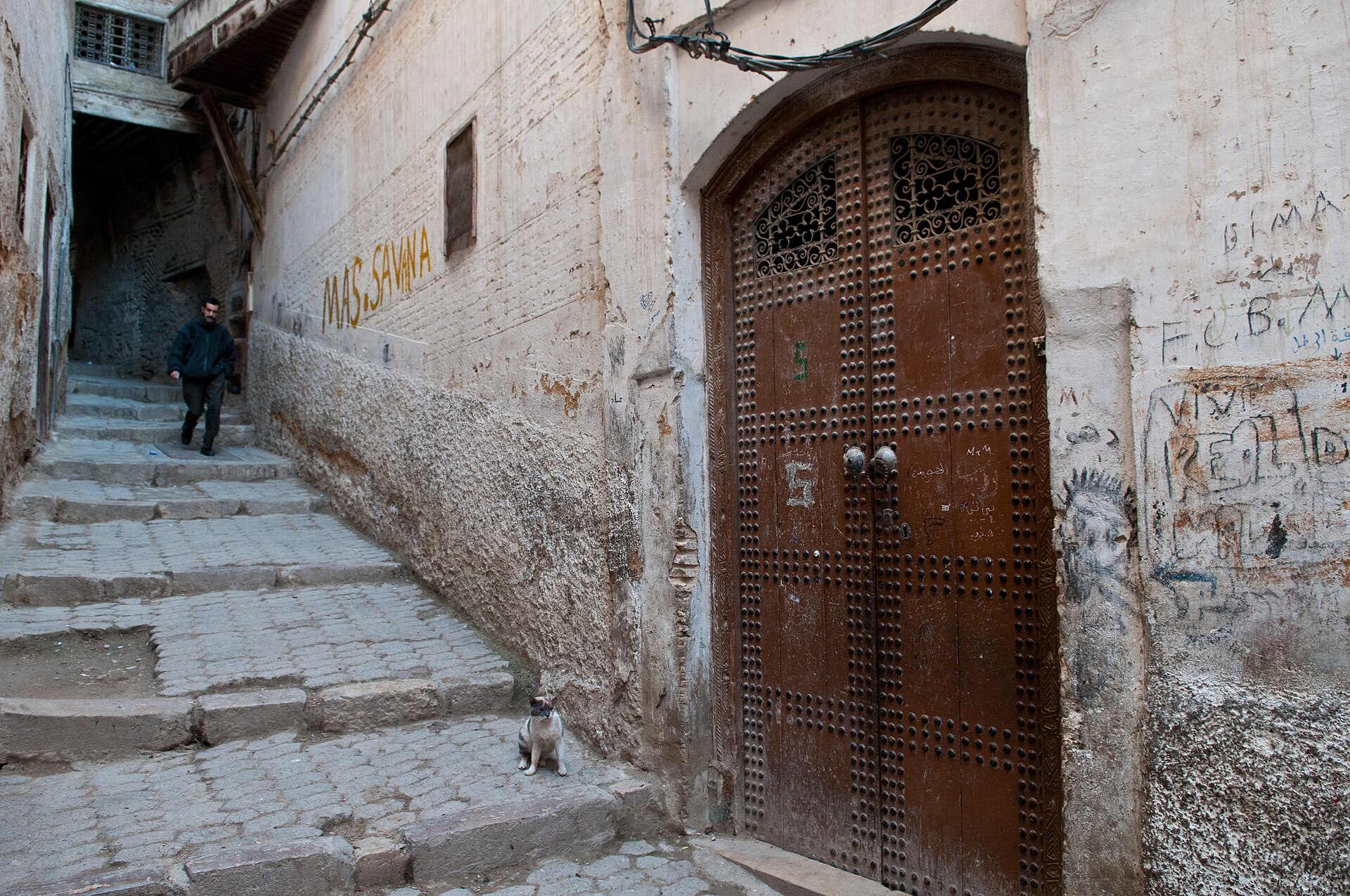
The best-known entrance to Fes el-Bali, decorated with blue zellige tiles on the outside and green on the inside – the colours of Fes and of Islam. Through its arches you already see the minarets of the medina. It's the natural starting point for walks along Talaa Kebira and Talaa Seghira, the two main streets that lead down into the old city.
Talaa Kebira and the souks
Duration: 1.5–2 hours
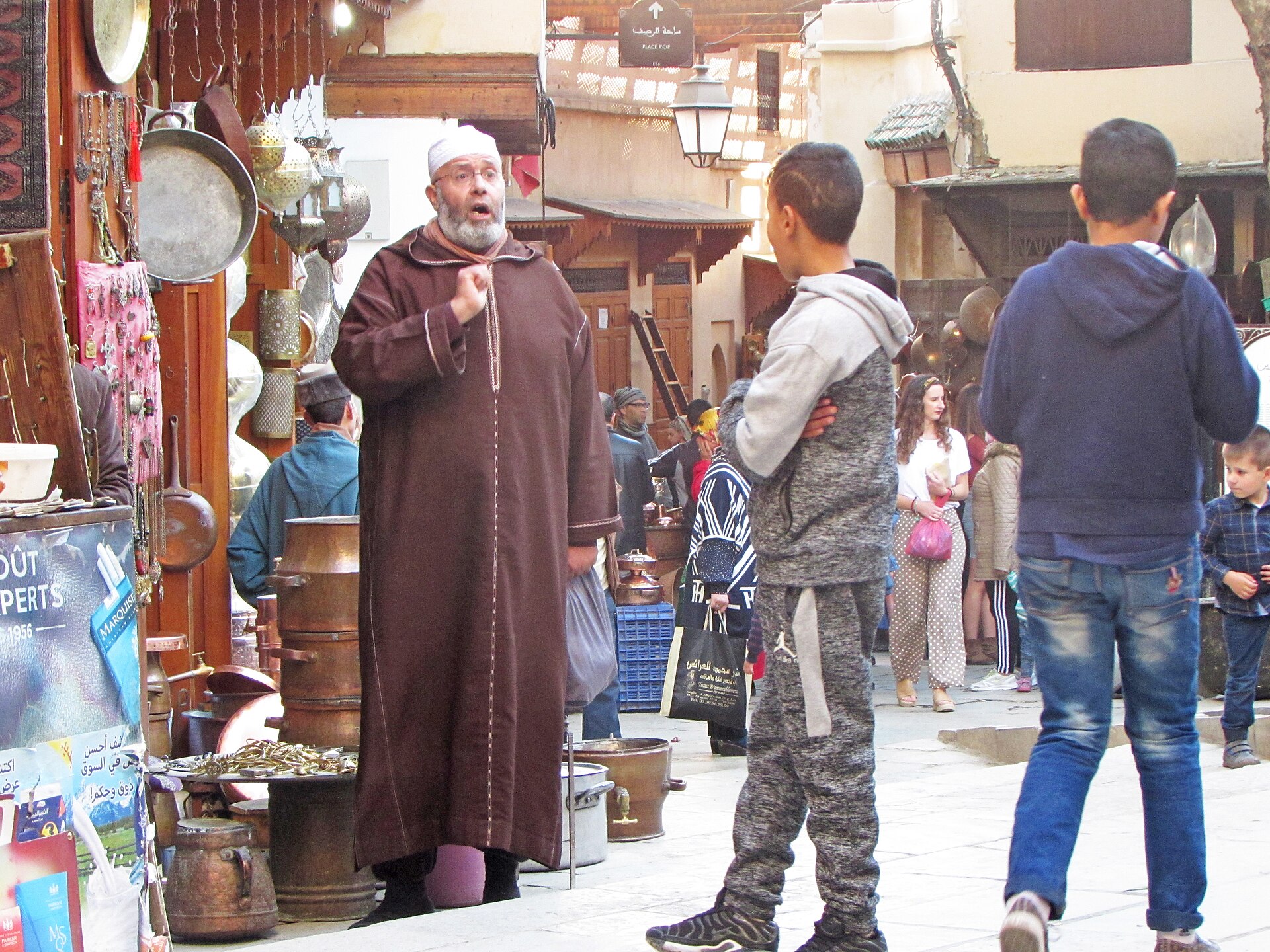
The main street of Fes el-Bali runs downhill for over a kilometre, lined with food stalls, bakeries, leather shops and small workshops. Side lanes lead to specialised souks for spices, brass, cloth and slippers. Look up at carved cedar doors and fountains; step aside when you hear 'balak!' – it means a donkey or cart is coming.
Merinid tombs viewpoint
Duration: 30 minutes
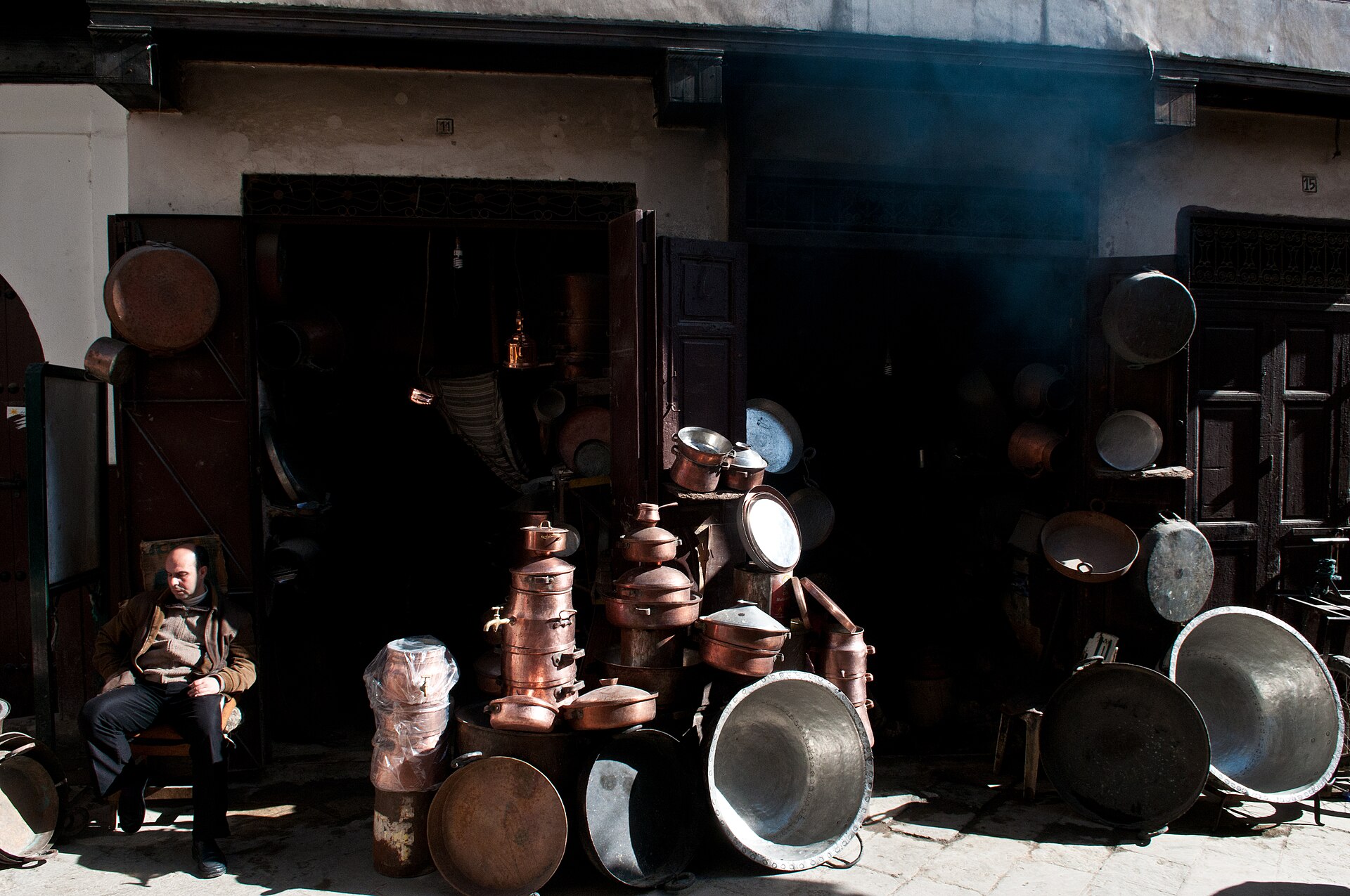
On a hill north of the medina, the ruins of 14th-century Merinid royal tombs offer the classic panorama of Fes el-Bali: thousands of white and beige rooftops, minarets and satellite dishes. At sunset you hear the call to prayer rise from dozens of mosques at once.
Day 2: Fes to Sefrou and Bhalil – Berber Village Charm
About 40 km · 1 h on the road
Today you leave the city for a gentle half-day in the countryside south of Fes, visiting two places most travellers never see. Sefrou is a small walled town with a medina, a river and a long history of Muslim, Jewish and Amazigh (Berber) communities living together. Nearby Bhalil is a hillside village where some families still live in homes built into caves, and where women make the tiny silk buttons used on djellabas. SCHEDULE (times are estimates) 09:00 – Departure from Fes (about 30 min to Sefrou). 09:30 – Sefrou: walk through the medina, the river and the old mellah (Jewish quarter) (about 1.5 hours). 11:15 – Drive to Bhalil (about 15 min). 11:30 – Bhalil: visit a cave house and see button-making (about 1–1.5 hours). 13:00 – Lunch in Sefrou or Bhalil (not included), or back in Fes. 14:30 – Return to Fes; afternoon free for a hammam, cooking class or rest. 20:00 – Dinner at your riad. GOOD TO KNOW • Visits to family homes in Bhalil are informal; a small contribution to the family is customary. • Sefrou is known for its cherries; the Cherry Festival in June is listed by UNESCO as intangible heritage. INCLUDED TODAY: private transport, night in Fes, dinner. NOT INCLUDED TODAY: lunch, local guide, tips or contributions to host families. ALTERNATIVE: if it rains heavily, the village walk is shortened and you can use the afternoon for a covered activity in Fes, such as a cooking class or visit to a museum. WHAT YOU TAKE AWAY: a glimpse of rural Moroccan life a short drive from the city, and conversations you won't have in the souks.
Sefrou
Duration: About 1.5 hours
Sefrou's compact walled medina is crossed by the Aggai river. For centuries it was home to a large Jewish community, and you can still see the old mellah streets. The town calls itself the 'garden of Morocco' for its orchards and is famous for cherries. It's calm and local – a good contrast to busy Fes.
Bhalil
Duration: 1–1.5 hours
Bhalil is a village of colourful houses on a hillside, where some homes are partly dug into the rock. Families often welcome visitors to see a cave room and to watch women make the tiny knotted buttons that decorate traditional djellabas – a craft that can take hours for a single garment.
Day 3: Day Trip to Ifrane and Azrou – Cedars and Mountain Air
About 150 km · 2 h on the road
A day in the Middle Atlas, an hour south of Fes. You visit Ifrane, a 1930s mountain town that looks more like the Alps than Africa, then walk among the giant cedars near Azrou, where wild Barbary macaques live. In the afternoon you can visit a lake or a Berber market before returning to Fes. SCHEDULE (times are estimates) 09:00 – Departure from Fes (about 1 hour to Ifrane). 10:00 – Ifrane: walk in the town centre and parks (about 1 hour). 11:15 – Cedar forest near Azrou: walk and macaque watching (about 1 hour). 12:30 – Lunch in Azrou (not included). 14:00 – Optional: a Middle Atlas lake such as Dayet Aoua, or the Azrou artisan cooperative (about 1 hour). 15:30 – Return to Fes (about 1.5 hours). 17:00 – Free evening; dinner at your riad. GOOD TO KNOW • Ifrane is at around 1,650 m and can be cold, even snowy in winter – bring a warm layer. • Do not feed the monkeys; it harms them. INCLUDED TODAY: private transport, night in Fes, dinner. NOT INCLUDED TODAY: lunch, tips. ALTERNATIVE: if roads are snowy, the driver keeps to the main roads and the lake visit may be skipped. WHAT YOU TAKE AWAY: a breath of fresh air and a very different Morocco – forests, lakes and chalets.
Ifrane
Duration: About 1 hour
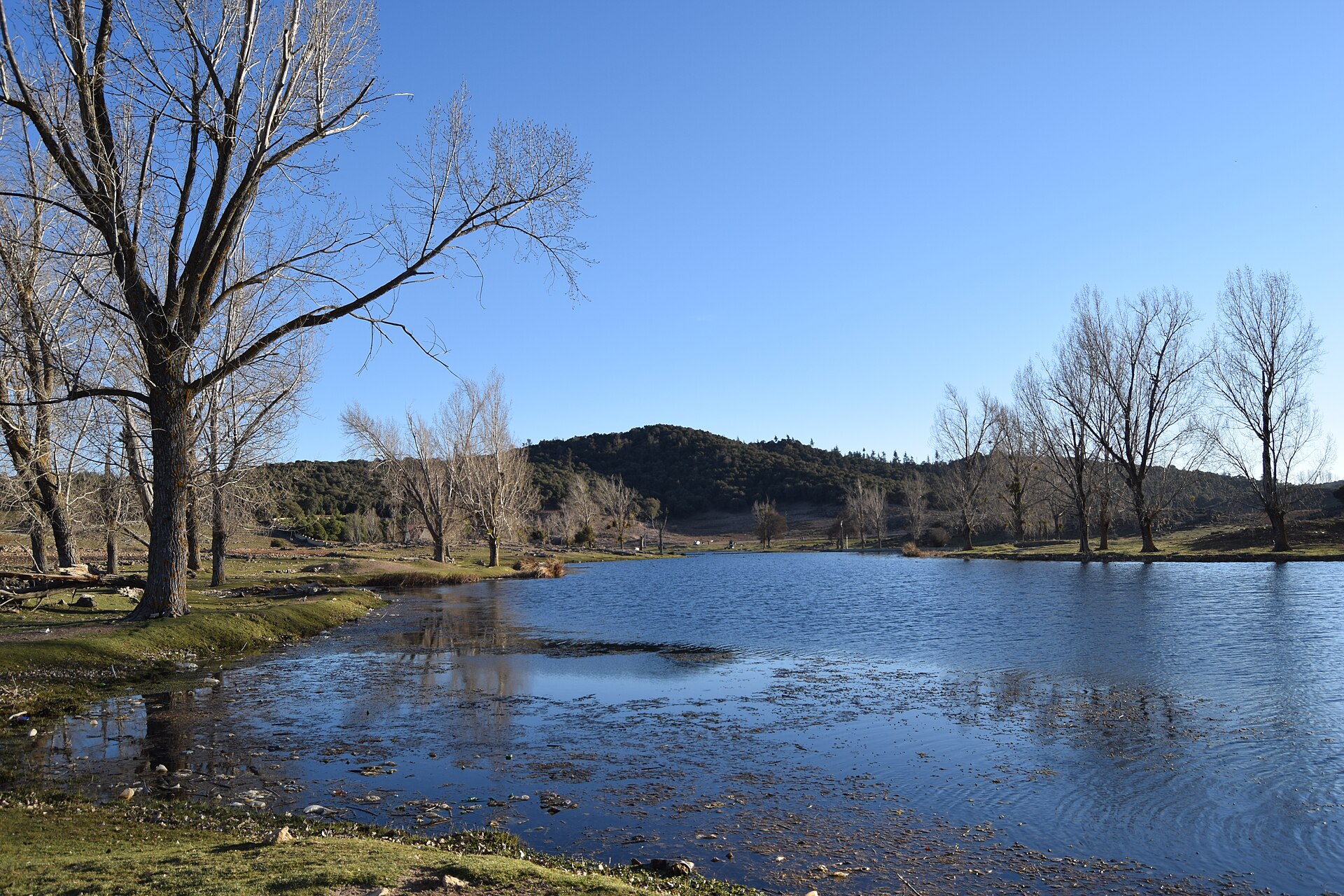
Founded as a hill station in the 1930s, Ifrane has red-roofed chalets, tidy gardens and Al Akhawayn University. The stone lion near the centre is the classic photo. In winter it is one of the few places in Morocco with regular snow.
Azrou cedar forest
Duration: About 1 hour
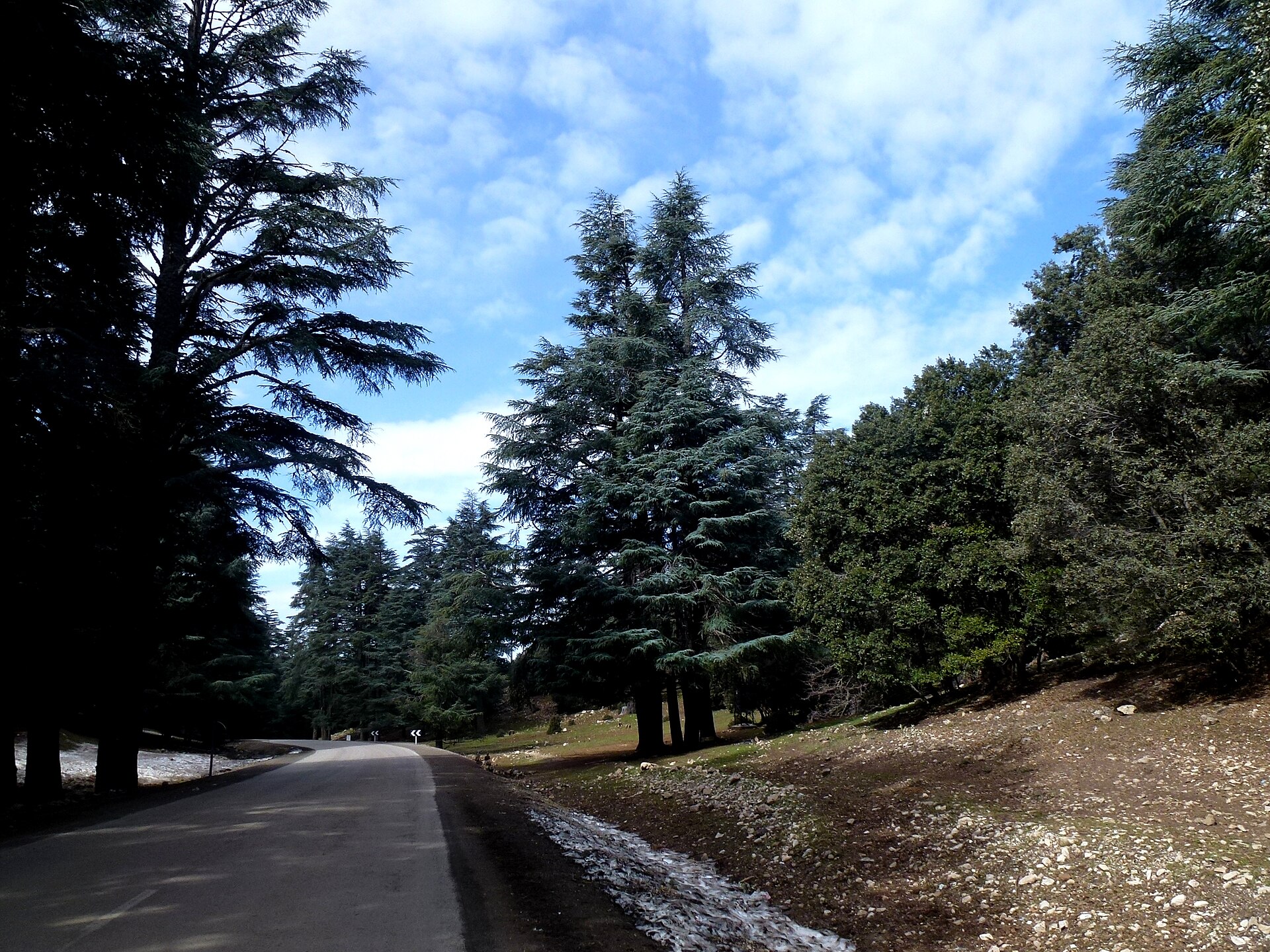
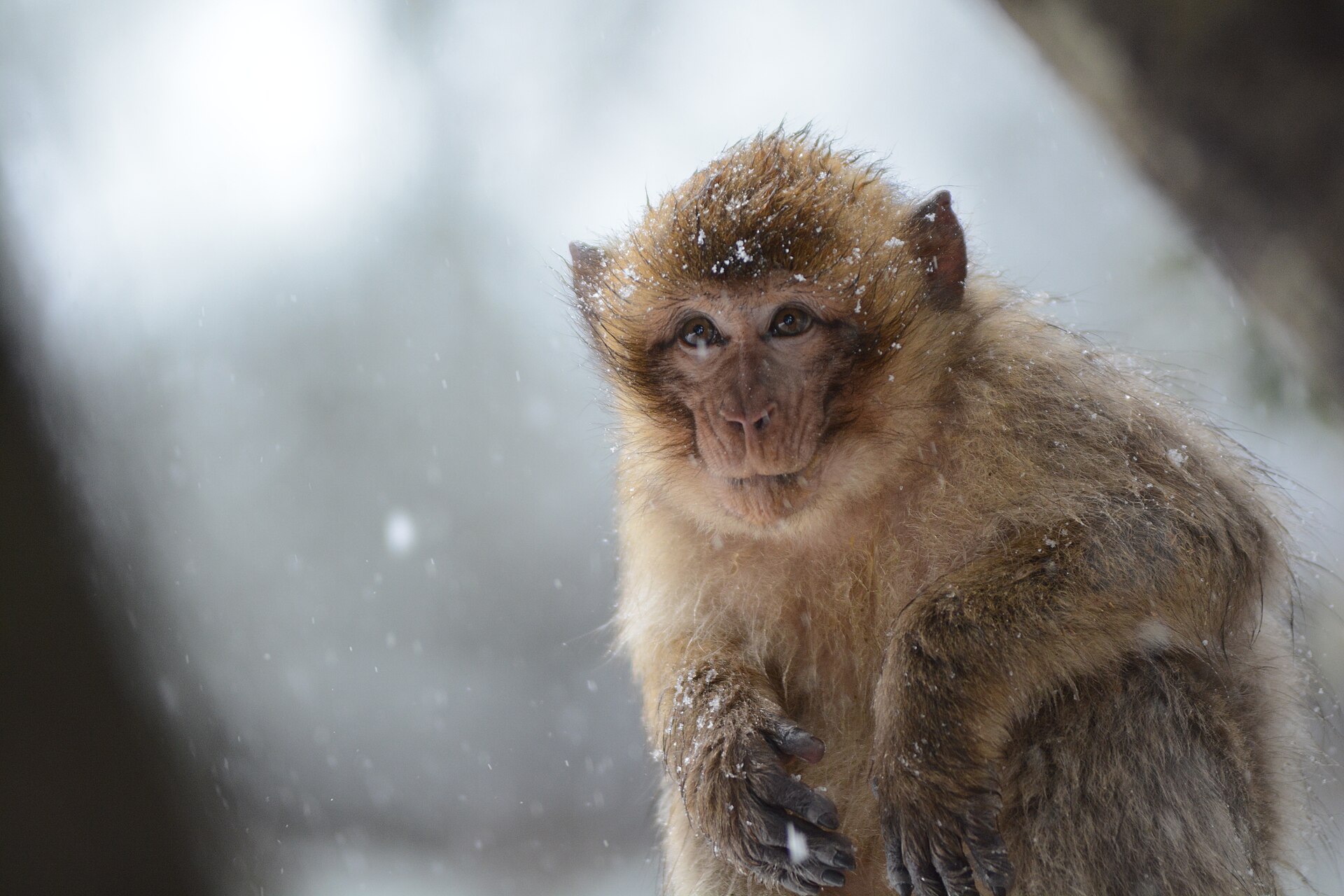
The Atlas cedar forests here are among the largest in the world. Barbary macaques, an endangered species and the only wild primates in North Africa, live in troops among the trees. Walk a little away from the roadside for quieter forest paths.
Azrou
Duration: Lunch, about 1 hour
A Berber market town named after the large rock (azrou) above it. Known for carpets and cedar woodwork; the weekly souk (traditionally on Tuesday) draws people from all the surrounding villages.
Day 4: Fes to Meknes and Volubilis – History Unfolded
About 120 km · 1.5 h on the road
Today you travel through two thousand years of history. In the morning you reach Volubilis, the best-preserved Roman site in Morocco, with mosaics still in place. Then you visit Meknes, the imperial city built by Sultan Moulay Ismail in the late 17th century, with its monumental gates, granaries and royal stables. You spend the night in Meknes, a quieter city than Fes. SCHEDULE (times are estimates) 08:30 – Check out and leave Fes (about 1 hour 15 min to Volubilis). 09:45 – Volubilis: visit of the Roman city (about 1.5–2 hours). 12:00 – Short drive to Meknes (about 40 min). 12:45 – Lunch in Meknes (not included). 14:15 – Meknes: Bab Mansour, El Hedim square, the mausoleum of Moulay Ismail and the Heri es-Souani granaries (about 2.5–3 hours). 17:30 – Check-in at your hotel or riad in Meknes; evening walk on El Hedim square. 20:00 – Dinner. GOOD TO KNOW • Volubilis is exposed with little shade – bring a hat and water, especially in summer. • A local guide at Volubilis (available at the entrance) makes the ruins come alive; it's optional. INCLUDED TODAY: private transport, night in Meknes, dinner. NOT INCLUDED TODAY: entrance fees, local guides, lunch, tips. WHAT YOU TAKE AWAY: Roman Africa and Moroccan empire in a single day.
Volubilis
Duration: 1.5–2 hours
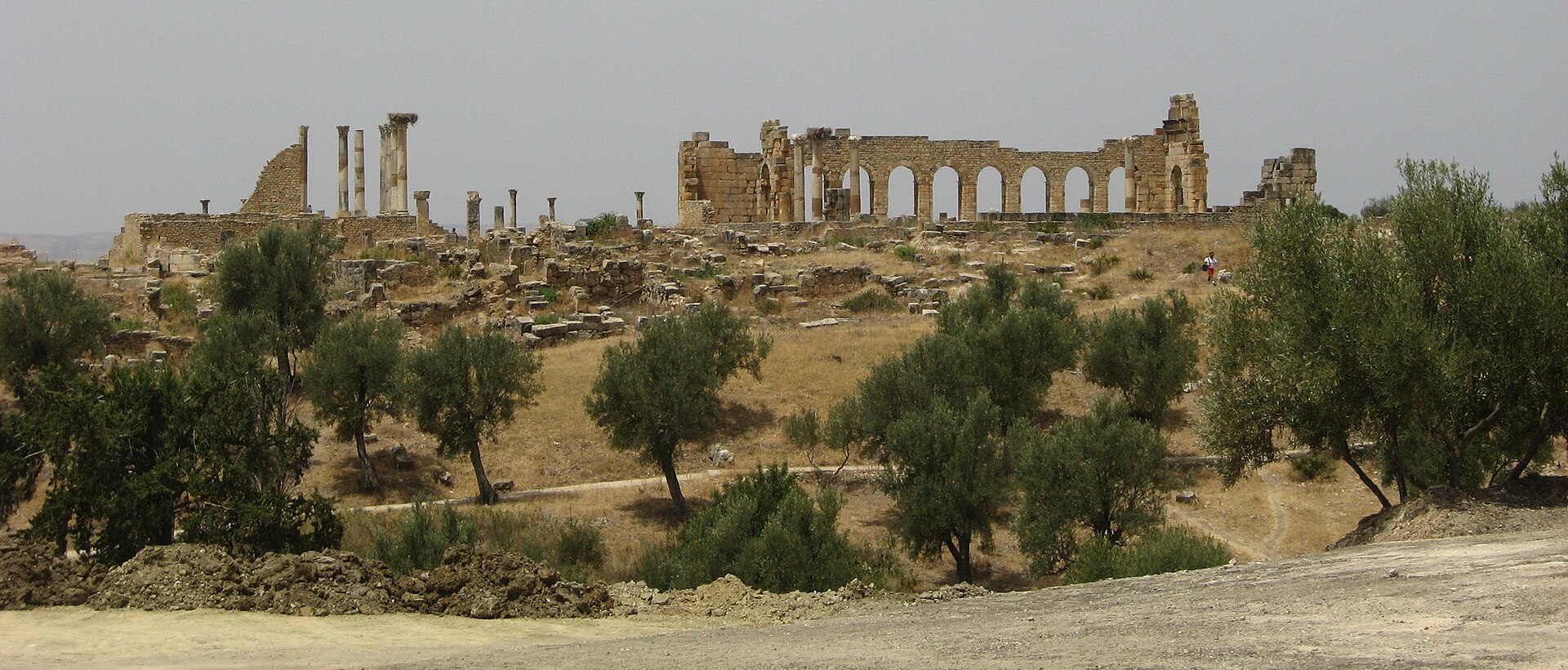
Volubilis was an important town of the Roman province of Mauretania Tingitana and was later linked to the founding of the Idrisid state. It became a UNESCO World Heritage Site in 1997. Walk along the main street to the triumphal arch, the basilica and the houses whose floors still show mosaics of mythological scenes, such as the Labours of Hercules.
Bab Mansour and El Hedim square
Duration: 45 minutes
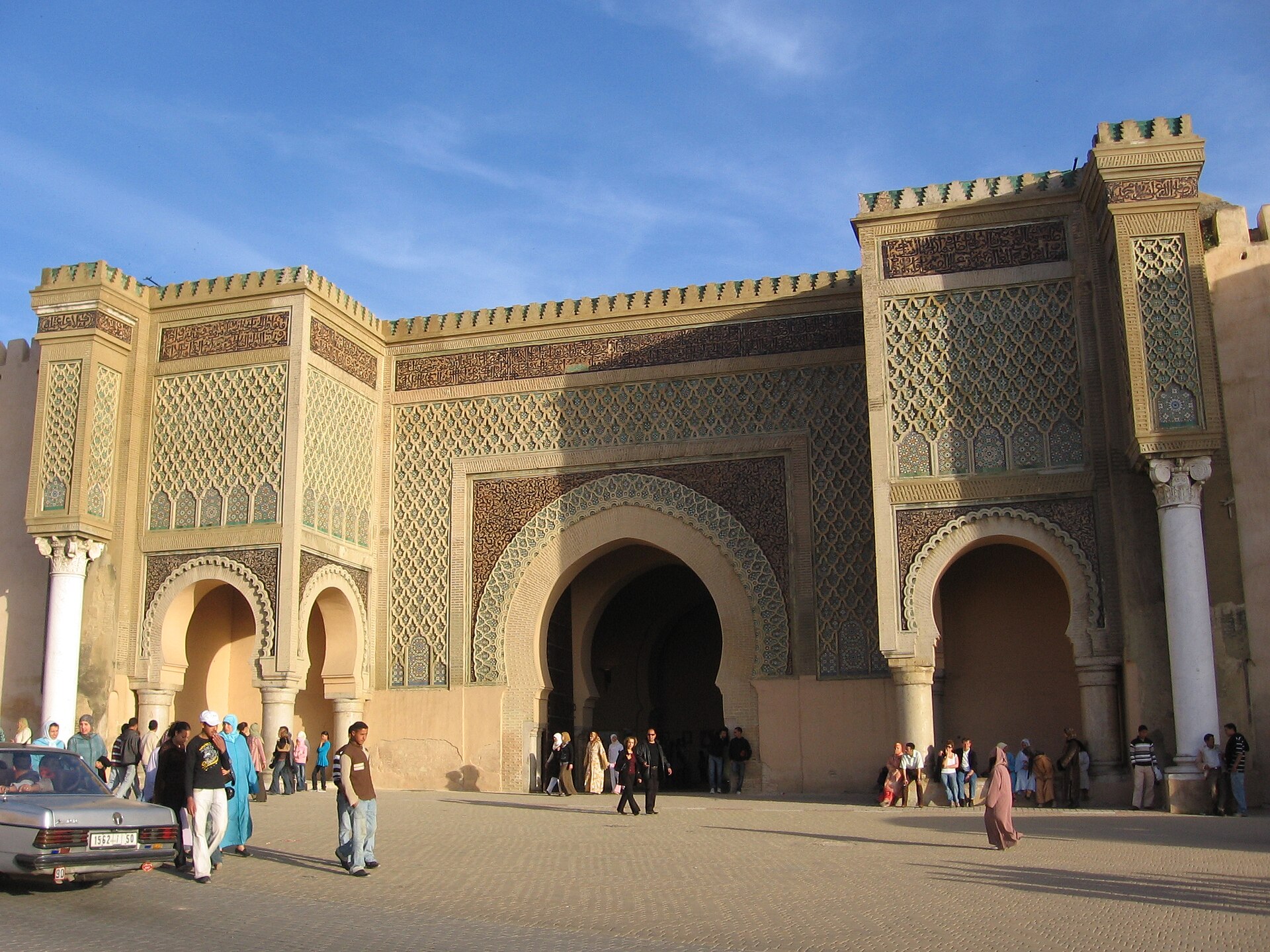
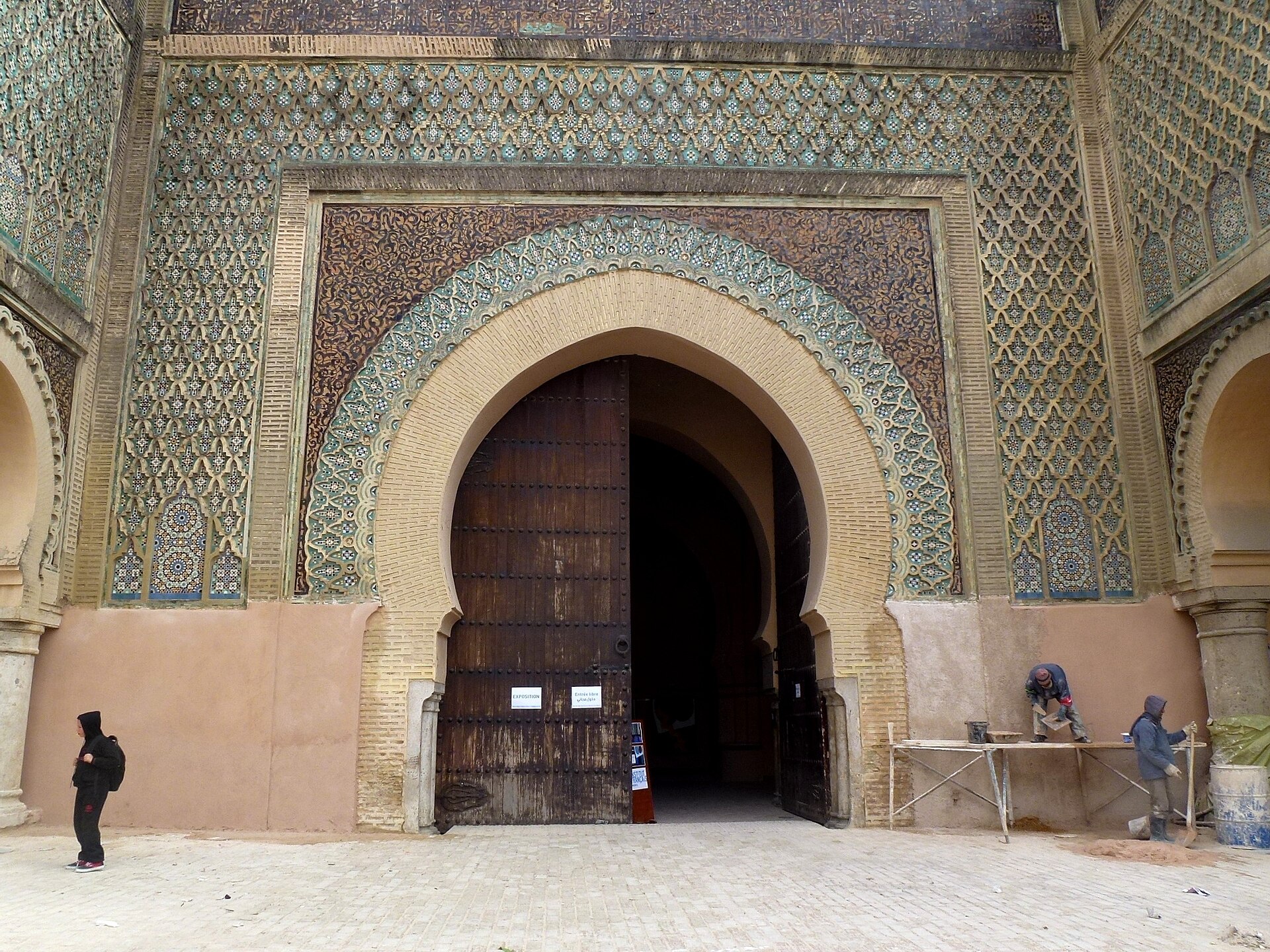
Bab Mansour is one of the most impressive gates in Morocco, decorated with green and white zellige. It faces El Hedim square, the lively heart of old Meknes, with food stalls, entertainers and views of the gate at sunset.
Mausoleum of Moulay Ismail
Duration: 30 minutes
The resting place of the sultan who made Meknes his capital and ruled from 1672 to 1727. Unusually, non-Muslims may enter part of the mausoleum (dress modestly). Note that it can close for restoration; your driver will check.
Heri es-Souani granaries
Duration: 45 minutes
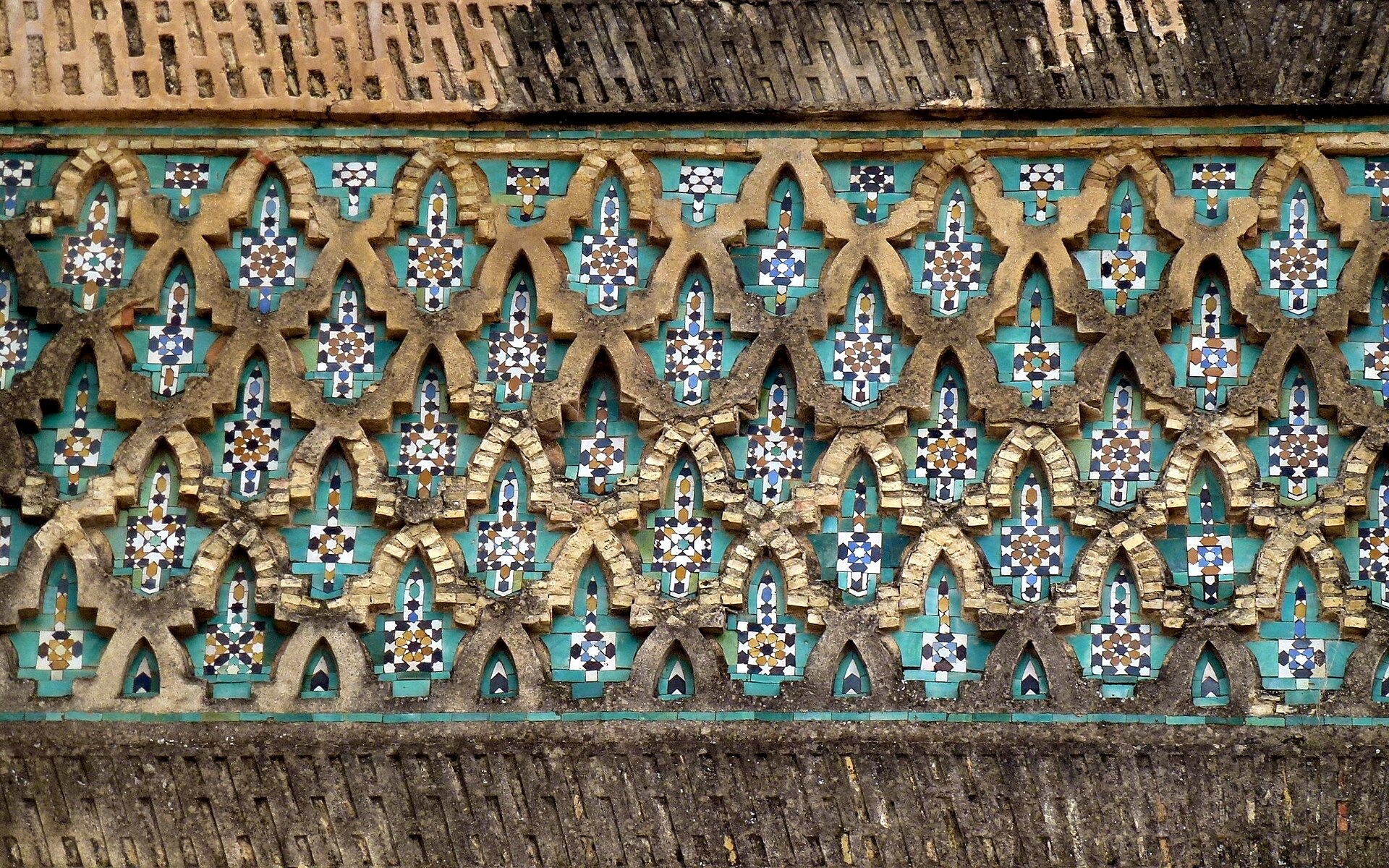
Vast vaulted storerooms and stables built to supply the sultan's army and thousands of horses. The thick walls kept grain cool; today the scale of the arches is the attraction.
Day 5: Moulay Idriss to Chefchaouen – Enter the Blue City
About 170 km · 2.5 h on the road
You leave Meknes for Moulay Idriss Zerhoun, Morocco's holiest town, built on two hills around the tomb of Idriss I, founder of the first Moroccan dynasty in the 8th century. Then the road climbs north into the Rif mountains to Chefchaouen, where you will stay for three nights. SCHEDULE (times are estimates) 09:00 – Leave Meknes (about 40 min to Moulay Idriss). 09:45 – Moulay Idriss: walk up to a viewpoint over the town (about 1 hour). 11:00 – Drive to Chefchaouen through the Rif foothills (about 3–3.5 hours with a stop). 13:00 – Lunch on the way, for example in Ouezzane (not included). 15:00 – Arrival in Chefchaouen, check-in. 17:00 – First walk: Outa el-Hammam square and the kasbah. 18:30 – Sunset at the Spanish Mosque viewpoint (20-minute uphill walk). 20:00 – Dinner. GOOD TO KNOW • Moulay Idriss is a pilgrimage town: dress modestly. Non-Muslims cannot enter the shrine itself. • Chefchaouen is built on a slope; wear comfortable shoes and expect steps. INCLUDED TODAY: private transport, night in Chefchaouen, dinner. NOT INCLUDED TODAY: lunch, tips. WHAT YOU TAKE AWAY: a sacred white town in the morning, a blue mountain town at sunset.
Moulay Idriss Zerhoun
Duration: About 1 hour
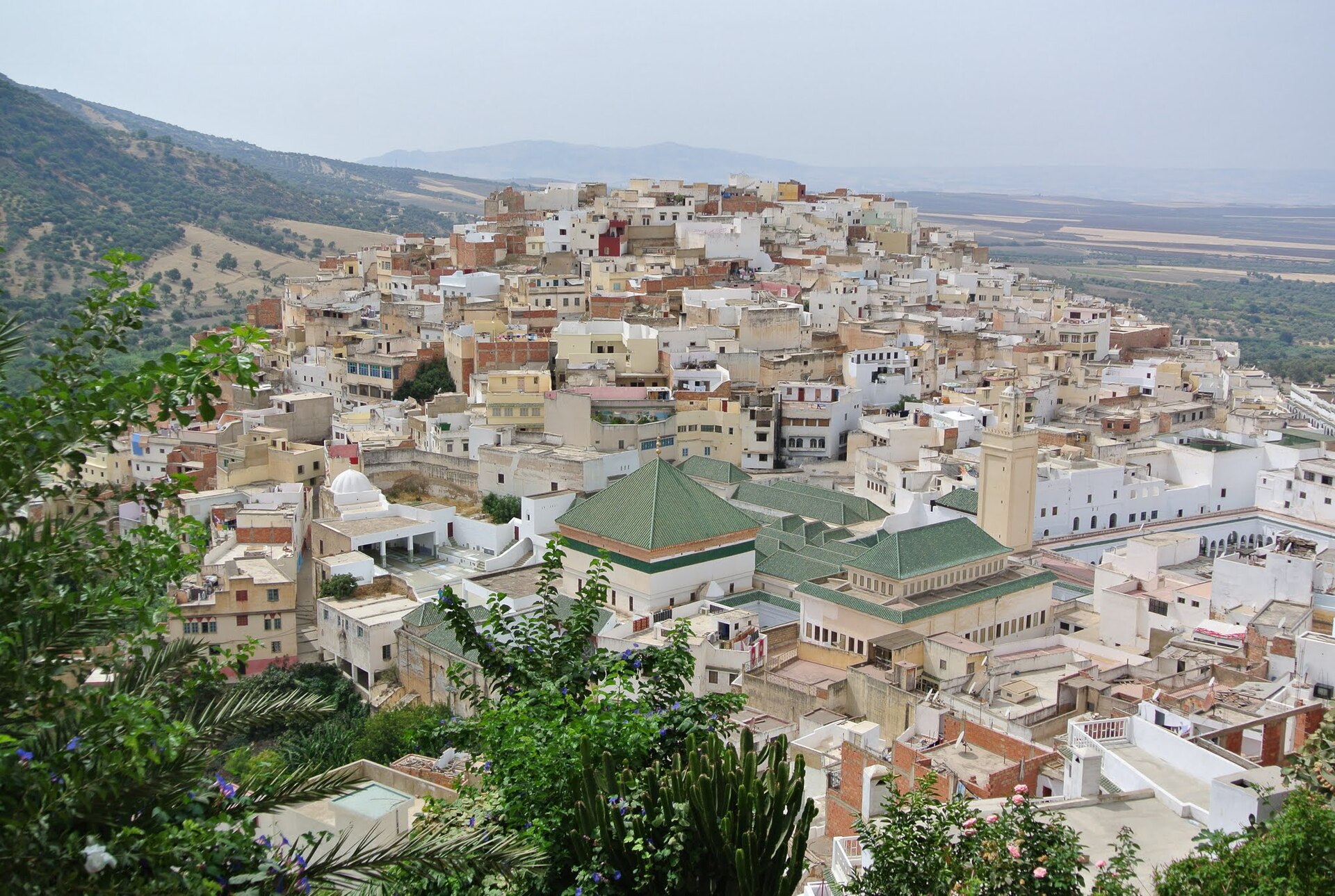
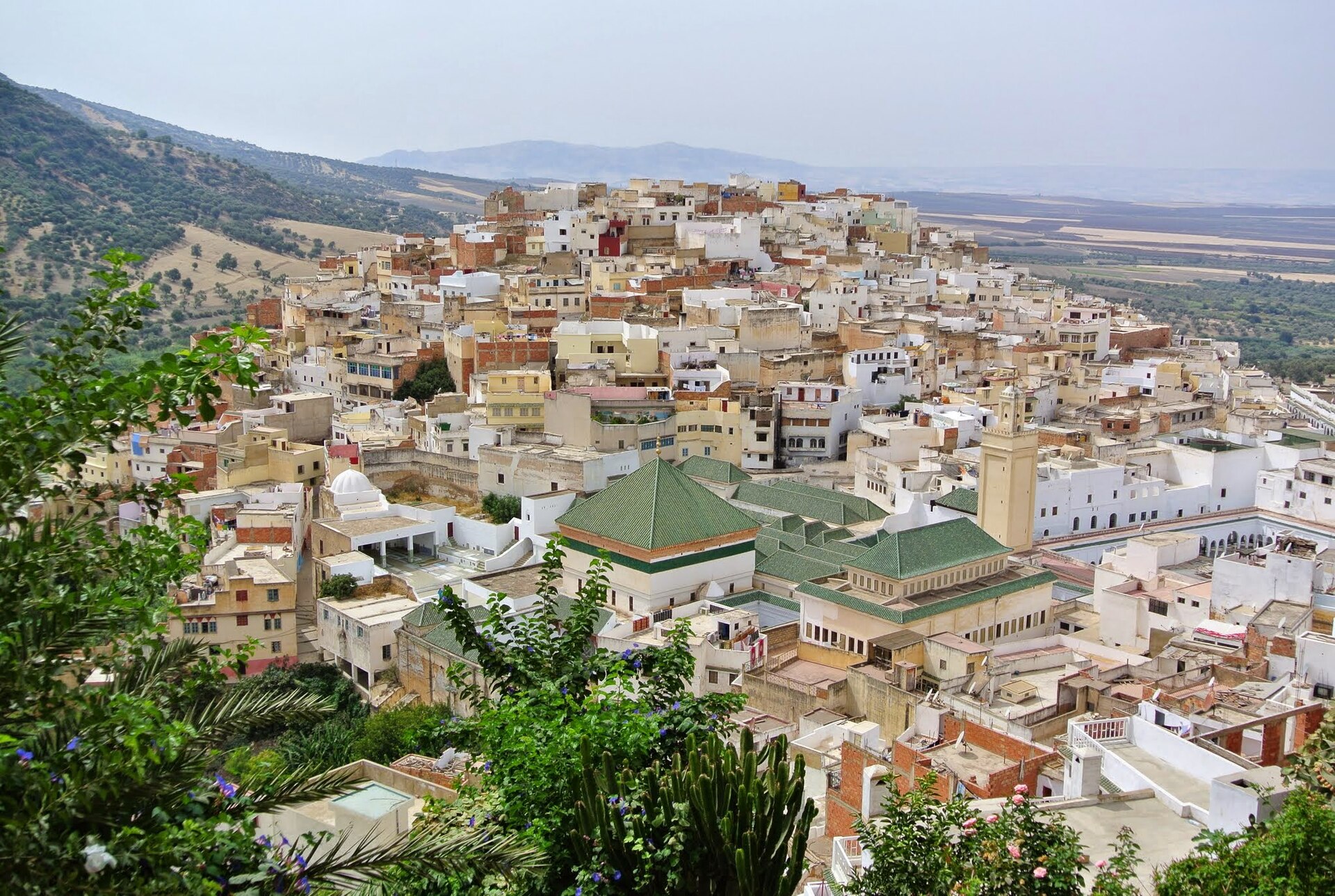
Founded around the tomb of Idriss I, who arrived in 789 and founded the first Islamic dynasty of Morocco. The whitewashed town spills over two hills. From the terraces above you see the green-tiled roofs of the shrine and the plain towards Volubilis.
Outa el-Hammam and the kasbah
Duration: 1 hour
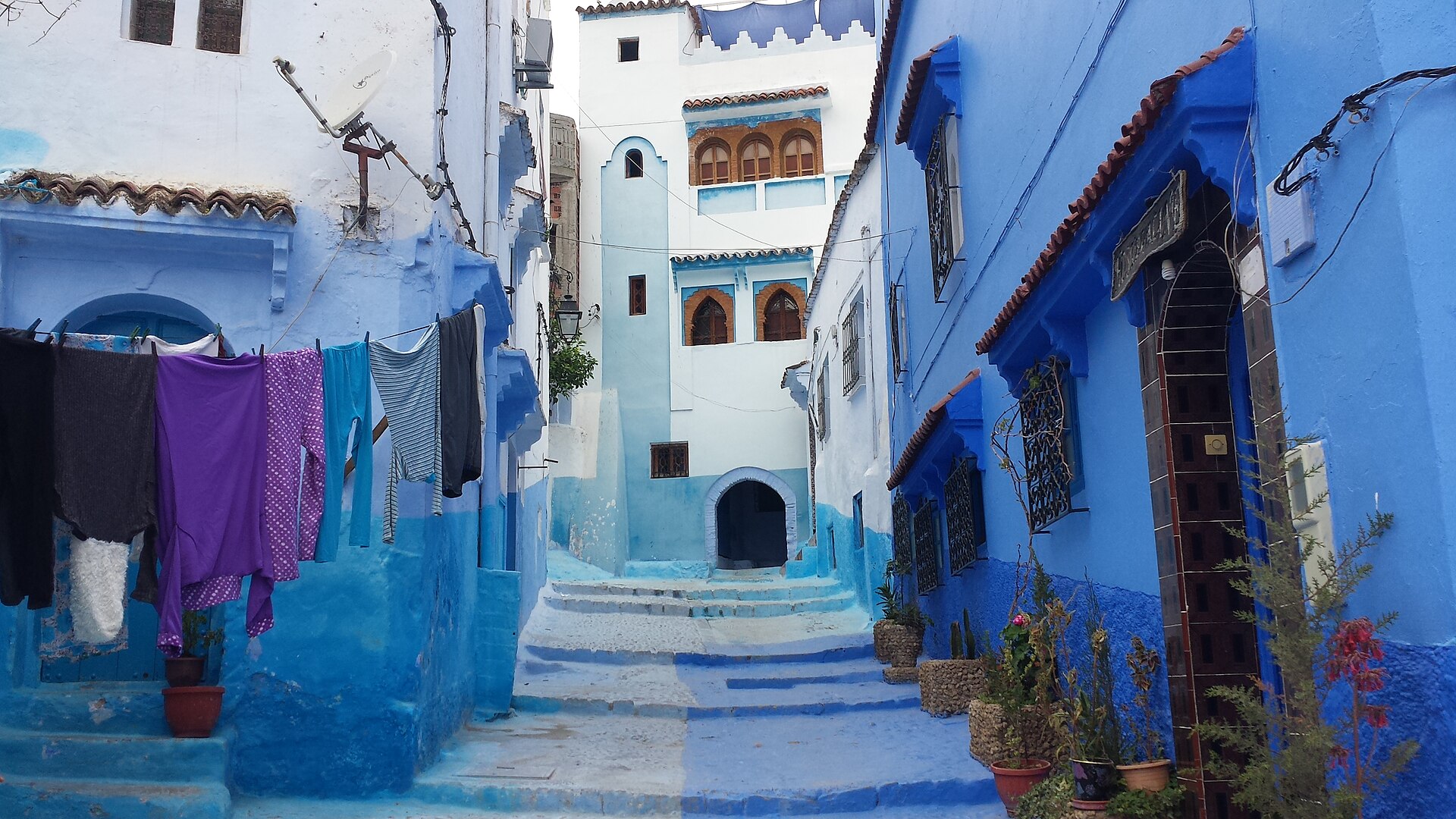
Chefchaouen's main square, shaded by trees and lined with cafés, faces the red-walled kasbah and the Great Mosque with its octagonal minaret. The kasbah has a small museum and a garden; the tower gives a good view over the blue roofs.
Spanish Mosque viewpoint
Duration: About 1 hour including the walk
A short climb east of the medina leads to a small mosque built during the Spanish period. From there the whole blue town glows in the evening light below the Rif peaks. Go 45 minutes before sunset.
Day 6: Full Day in Chefchaouen
A whole day to enjoy Chefchaouen at its own pace. Founded in 1471 as a fortress in the Rif mountains, the town is famous for its blue-painted walls, stairways and doors. The best time to walk is early, before day visitors arrive, when the lanes are empty and the light is soft. SCHEDULE (suggested, all flexible) 08:00 – Early photo walk through the upper medina (about 1.5 hours). 10:00 – Breakfast or coffee on Outa el-Hammam square. 11:00 – Ras el-Ma spring and the washing place at the edge of the medina (30 min). 12:00 – Souks: wool blankets, goat cheese, woven hats (1–2 hours). 13:30 – Lunch (not included) – try local goat cheese or bissara (fava bean soup). Afternoon – Free: rest, hammam, or a short walk on the hillside paths above the town. 20:00 – Dinner. GOOD TO KNOW • Ask before photographing people, especially in residential lanes. • Chefchaouen is a quiet town; nightlife is limited to cafés and terraces. INCLUDED TODAY: night in Chefchaouen, dinner. (No driving today.) NOT INCLUDED TODAY: lunch, guide (optional), tips. ALTERNATIVE: in rain the blue walls become even more saturated – a good time for photos under an umbrella, followed by a long lunch. WHAT YOU TAKE AWAY: a slow day in one of the most photogenic towns in the world.
Upper medina lanes
Duration: 1.5 hours
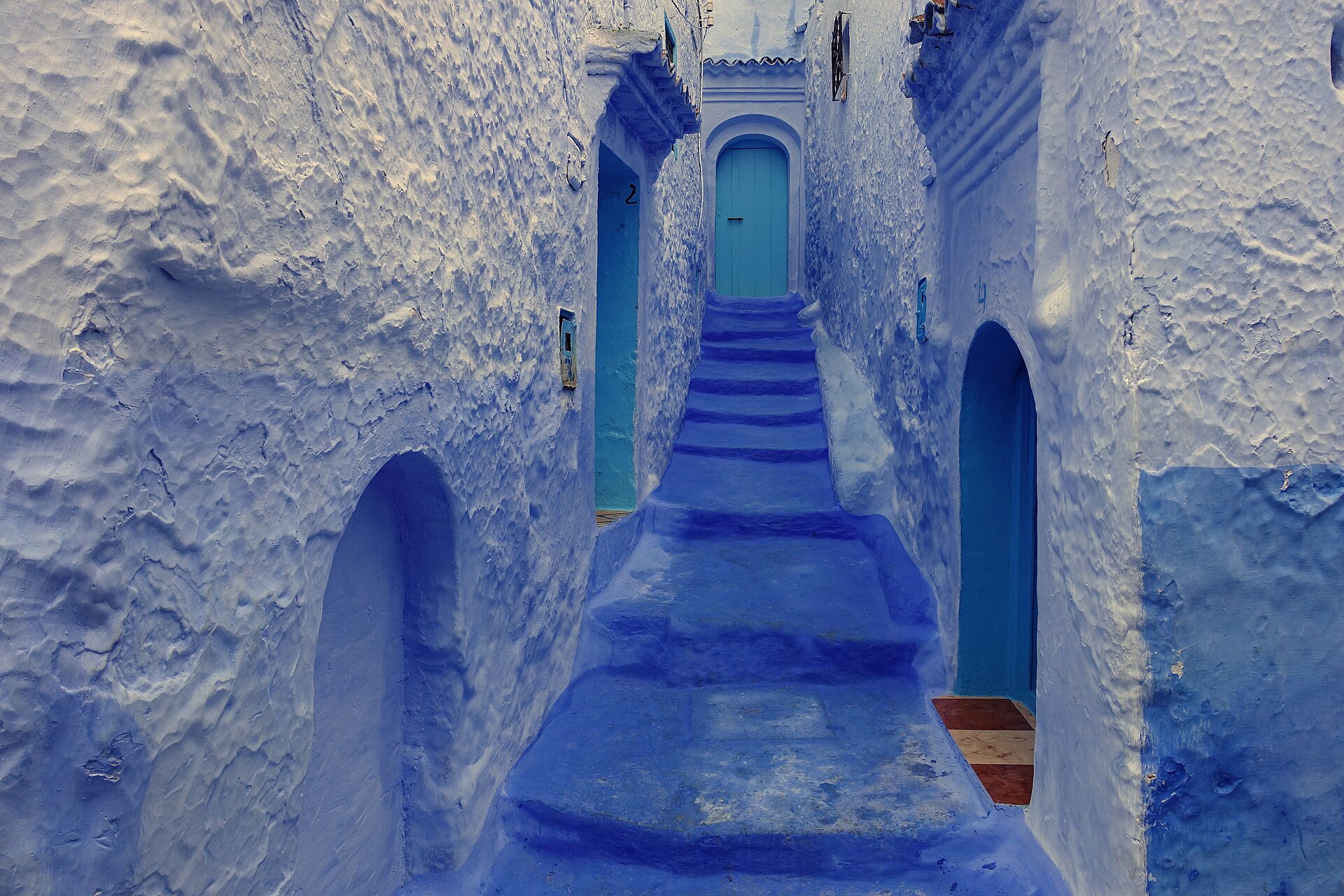
The residential lanes above the main square are where the famous blue stairways are. Many theories exist about why the town is blue – Jewish tradition, keeping mosquitoes away, or simply to attract visitors; locals repaint walls regularly.
Ras el-Ma
Duration: 30 minutes
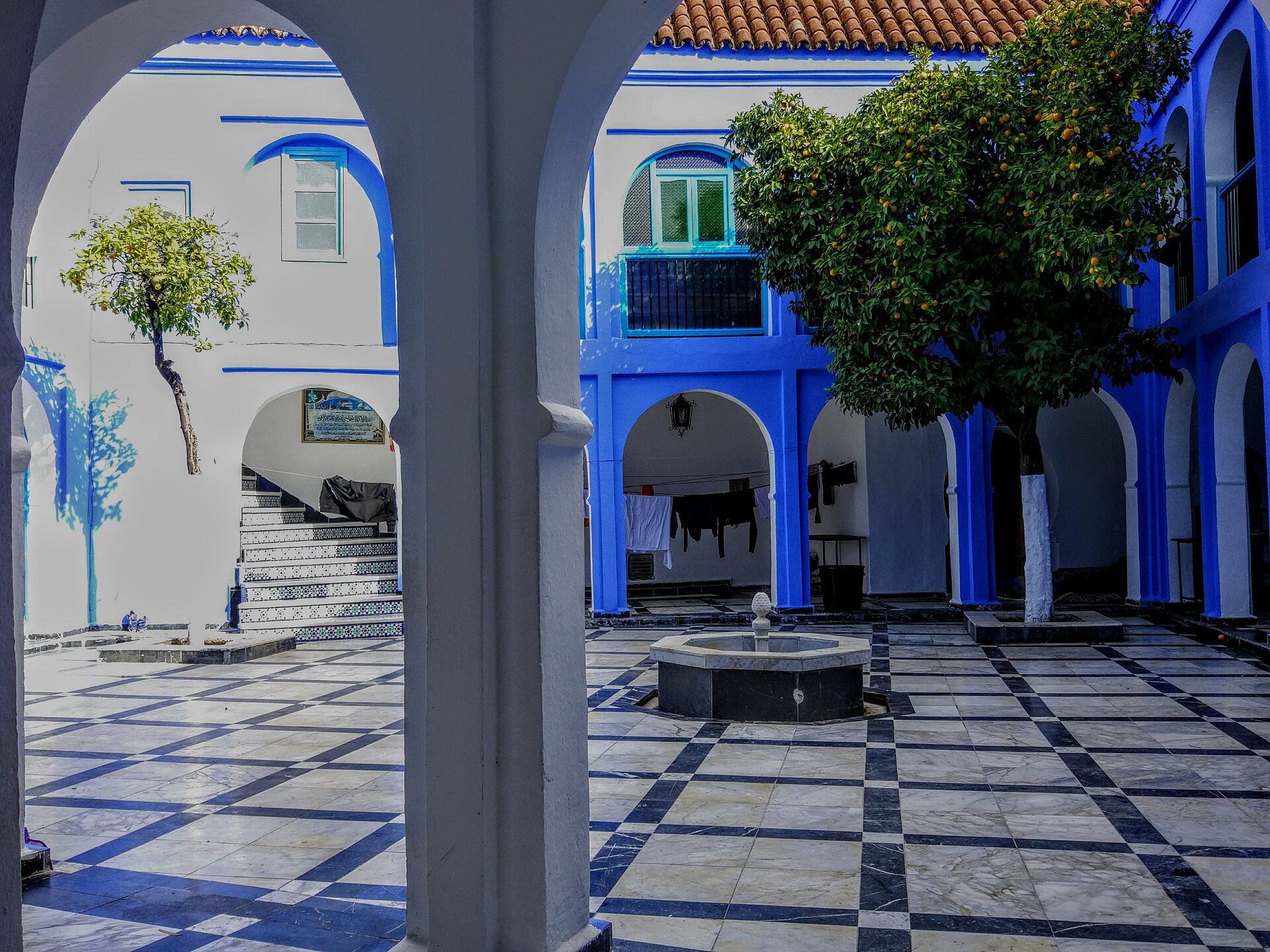
The spring at the top of the town where mountain water flows out into small pools and a traditional washing place. Cafés line the stream, and paths start here towards the Spanish Mosque and the hills.
Chefchaouen souks
Duration: 1–2 hours
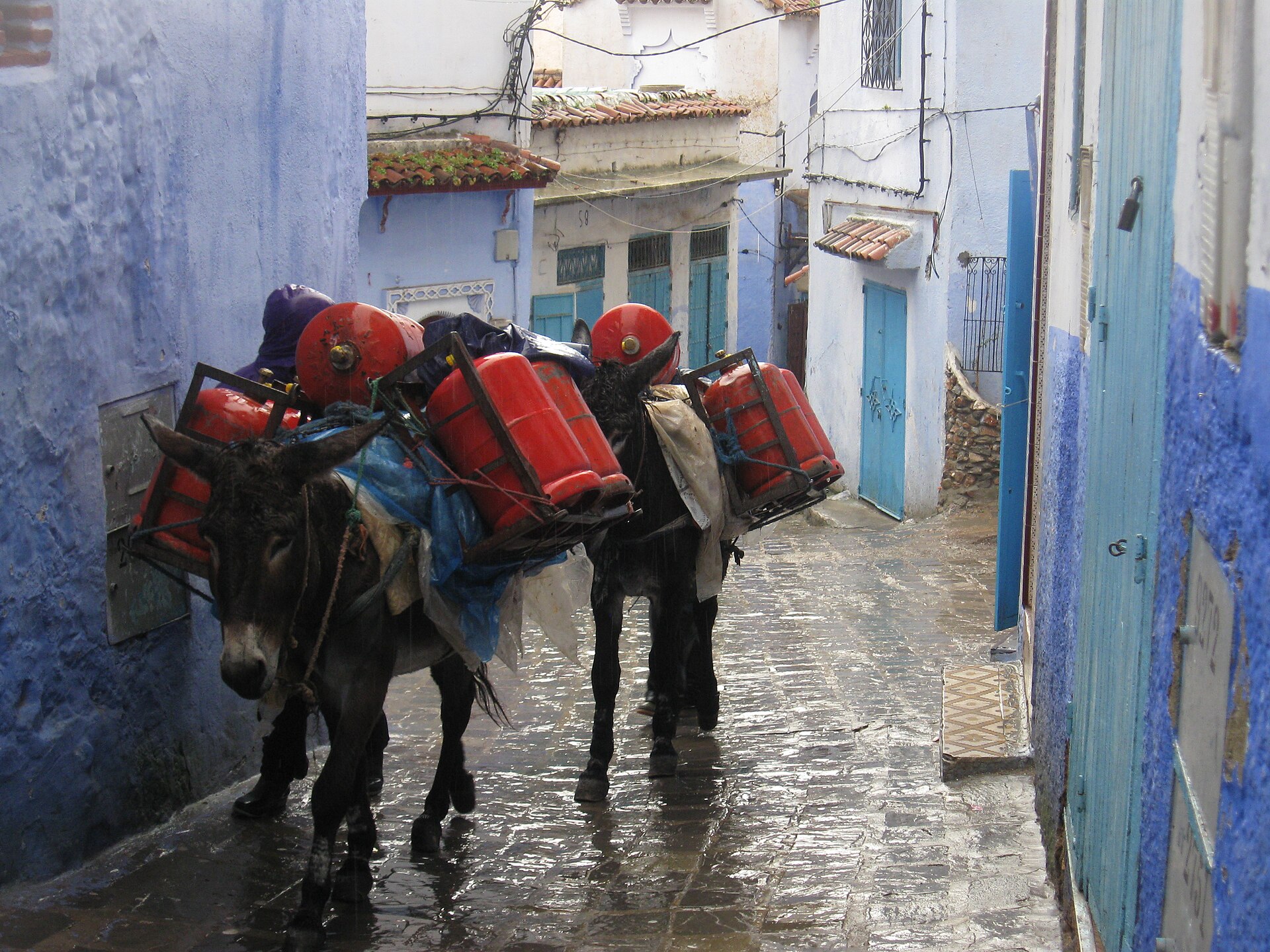
Known for woven wool blankets and jellabas, Rif goat cheese and natural dyes. Prices are lower than in Fes or Marrakech, and bargaining is gentle.
Day 7: Chefchaouen to Akchour – Waterfalls & Nature Hike
A day in nature. About an hour from Chefchaouen, the Akchour area of Talassemtane National Park has turquoise river pools, waterfalls and a natural rock arch called God's Bridge. You choose the walk that suits you, then return to Chefchaouen for the evening. SCHEDULE (times are estimates) 08:30 – Departure from Chefchaouen (about 1 hour to Akchour). 09:30 – Start of the walk from the Akchour dam area. Option A – Small waterfall: about 2 hours return, easy to moderate. Option B – God's Bridge: about 2–3 hours return, moderate with climbs. Option C – Big waterfall: about 4–5 hours return, longer and rougher. 13:30 – Lunch in a riverside café (not included). 15:30 – Return to Chefchaouen. 20:00 – Dinner. GOOD TO KNOW • Wear trainers or hiking shoes that can get wet; some river crossings are on stones. • In summer it is busy and swimming is popular; in winter and after heavy rain some paths can be closed or slippery. • A local mountain guide is recommended for the longer routes (optional). INCLUDED TODAY: private transport, night in Chefchaouen, dinner. NOT INCLUDED TODAY: lunch, local guide, tips. ALTERNATIVE: if the paths are flooded or closed, we can visit the Talassemtane viewpoints by car or spend a quieter day in Chefchaouen. WHAT YOU TAKE AWAY: cool green water, mountain air and the feeling of having earned your dinner.
Akchour waterfalls
Duration: 2–5 hours depending on route
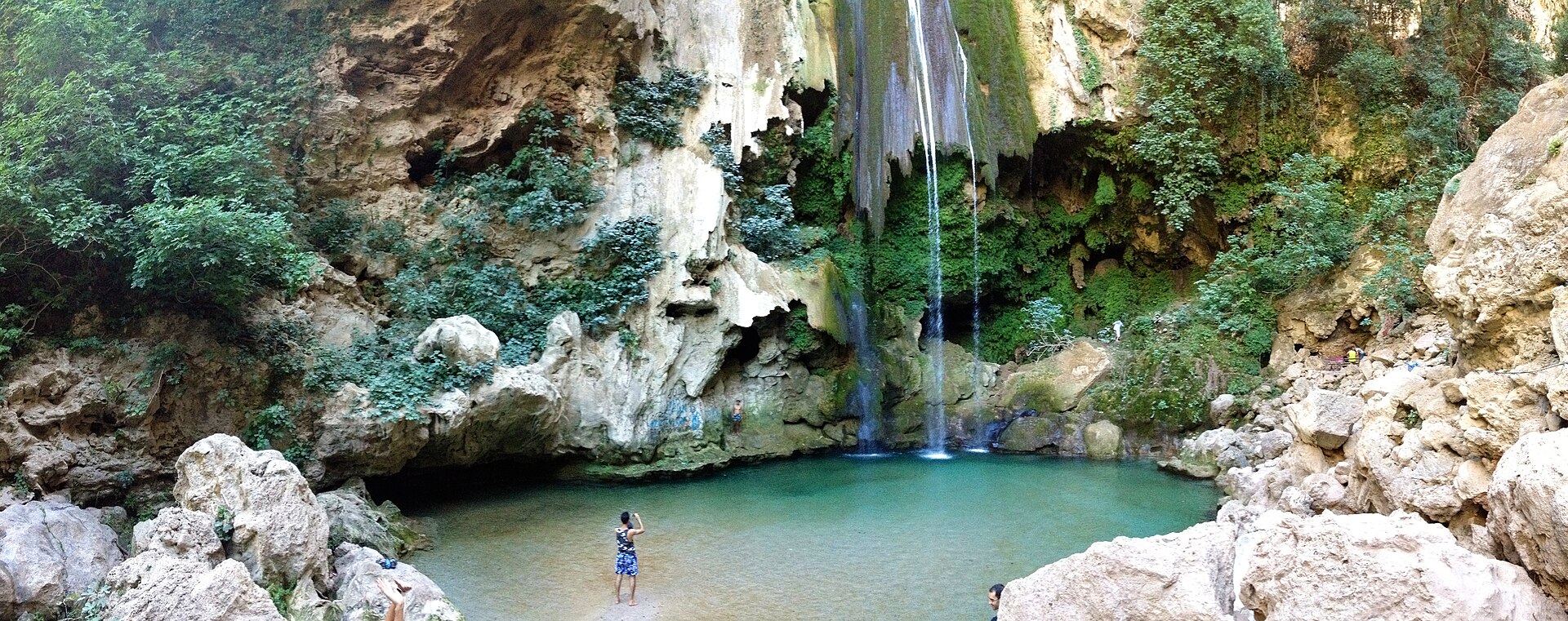
The Farda river has cut gorges through limestone, creating clear pools and several waterfalls. The walk follows the river with small cafés along the way in season. It's one of the most beautiful natural areas of northern Morocco.
God's Bridge (Pont de Dieu)
Duration: Part of the walk
A natural rock arch spanning the river gorge, around 25 metres high. You can see it from above on a path, or from below in the gorge depending on the route and water level.
Day 8: Chefchaouen to Tetouan – Andalusian White City
About 70 km · 1 h on the road
You leave the Rif for Tetouan, the 'white dove', near the Mediterranean coast. Its medina was rebuilt in the late 15th century by refugees from Andalusia and is listed by UNESCO. It feels very different from Fes: whiter, more orderly, with Andalusian and Spanish influences. SCHEDULE (times are estimates) 09:30 – Leave Chefchaouen (about 1.5 hours to Tetouan). 11:00 – Tetouan: Place Hassan II and the royal palace square, then the medina and craft souks (about 2.5 hours, with a guide if added). 13:30 – Lunch (not included). 15:00 – School of Traditional Arts and Crafts or the Archaeological Museum (about 1 hour, check opening). 16:30 – Check-in at your hotel or riad; free time. 20:00 – Dinner. GOOD TO KNOW • Tetouan's medina is less touristy than Fes; a local guide helps you find the craft workshops. • Friday and public holidays may change opening hours of museums. INCLUDED TODAY: private transport, night in Tetouan, dinner. NOT INCLUDED TODAY: lunch, guide, entrance fees, tips. WHAT YOU TAKE AWAY: the Andalusian side of Morocco and a city few foreign travellers take time to see.
Tetouan medina
Duration: About 2.5 hours
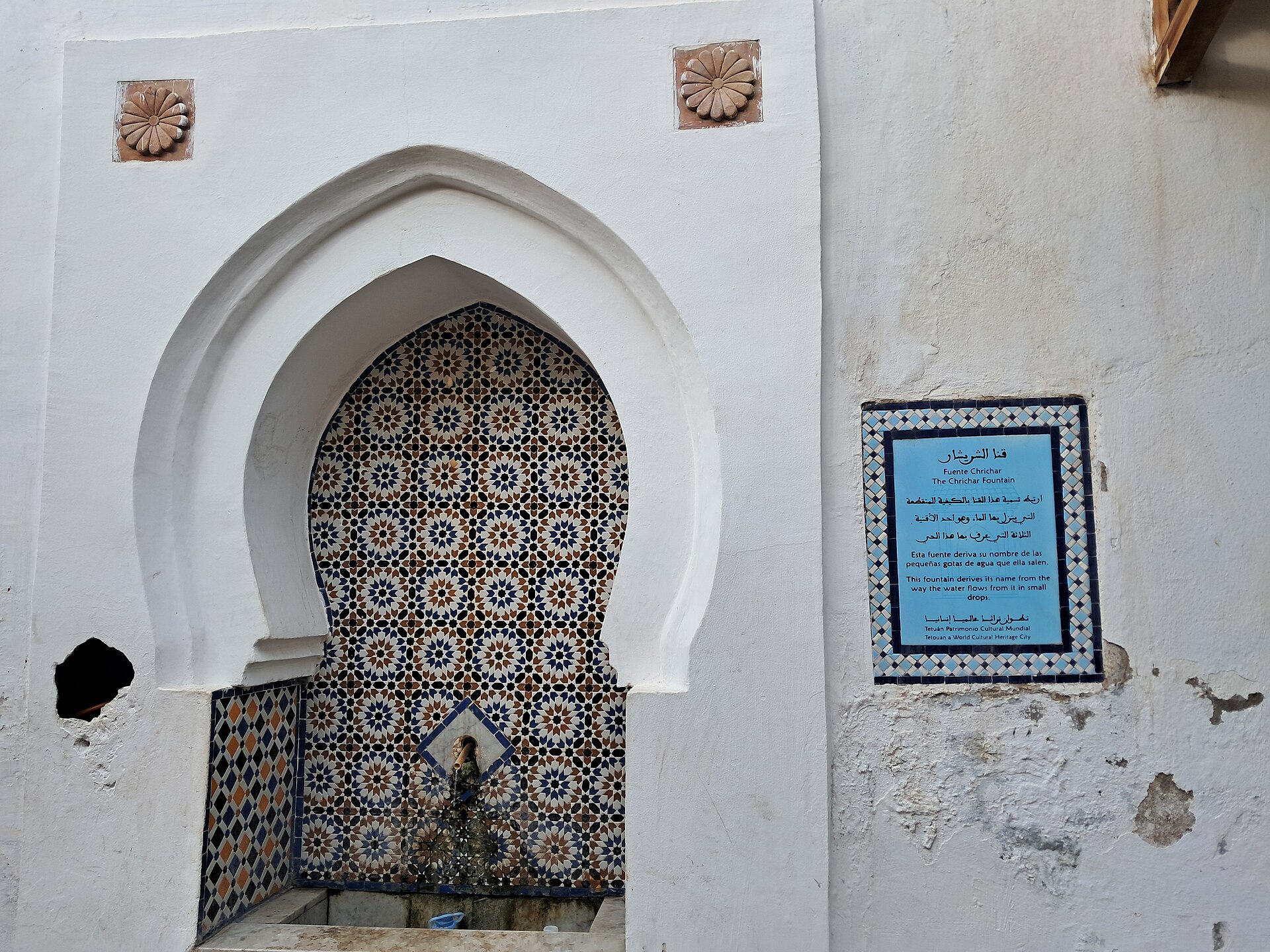
Listed by UNESCO in 1997, the medina was rebuilt by Muslim and Jewish refugees from Granada after 1492. White houses, wrought iron and tiled fountains give it an Andalusian look. Craft streets specialise in leather, wood, metal and embroidery.
School of Traditional Arts and Crafts
Duration: About 1 hour
A school where young artisans learn zellige, carved plaster, painted wood and other crafts. Visits depend on opening times, so we confirm on the day.
Day 9: Tetouan to Tangier via Cap Spartel and Hercules Caves
About 80 km · 1 h on the road
A coastal day. You drive west to Tangier and continue to Cap Spartel, the north-western tip of Africa, where the Atlantic meets the Mediterranean. Nearby are the Caves of Hercules, with their famous sea opening shaped like a map of Africa. Then you check into Tangier for the night. SCHEDULE (times are estimates) 09:30 – Leave Tetouan (about 1 hour to Tangier). 10:45 – Cap Spartel lighthouse and viewpoint (about 30 min). 11:30 – Caves of Hercules (about 45 min). 12:30 – Lunch by the sea (not included) – Tangier is known for fresh fish. 14:00 – Optional camel ride on the beach or a stop at Achakar beach. 15:30 – Check-in in Tangier. 17:00 – Sunset drink at Café Hafa above the Strait. 20:00 – Dinner. GOOD TO KNOW • Cap Spartel can be windy; bring a layer. • The caves are busy at weekends. INCLUDED TODAY: private transport, night in Tangier, dinner. NOT INCLUDED TODAY: lunch, entrance fee for the caves, drinks, tips. WHAT YOU TAKE AWAY: standing where two seas and two continents meet.
Cap Spartel
Duration: 30 minutes
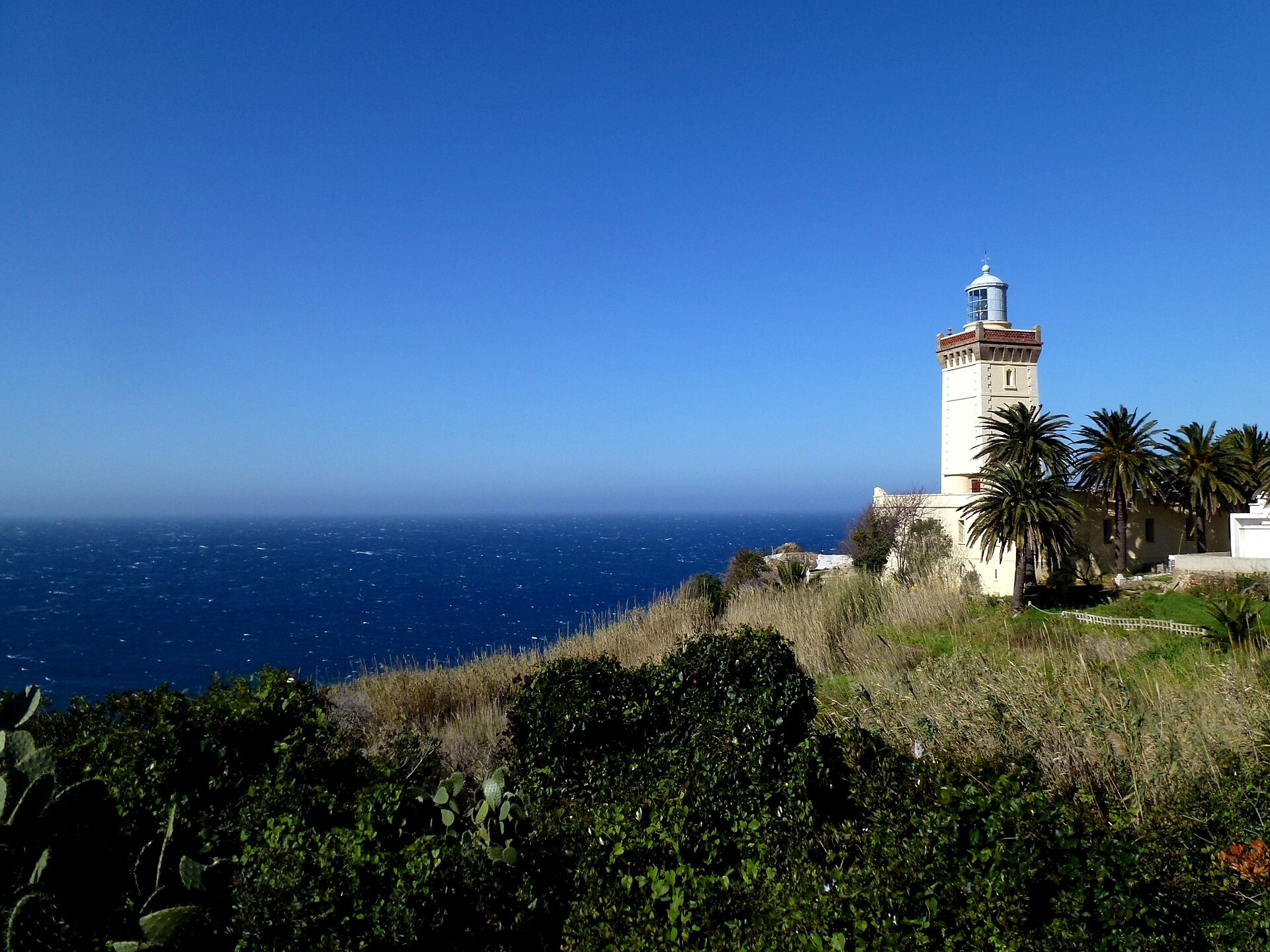
The headland where the Strait of Gibraltar opens onto the Atlantic. The lighthouse was built in 1864. On clear days you can see the coast of Spain.
Caves of Hercules
Duration: 45 minutes
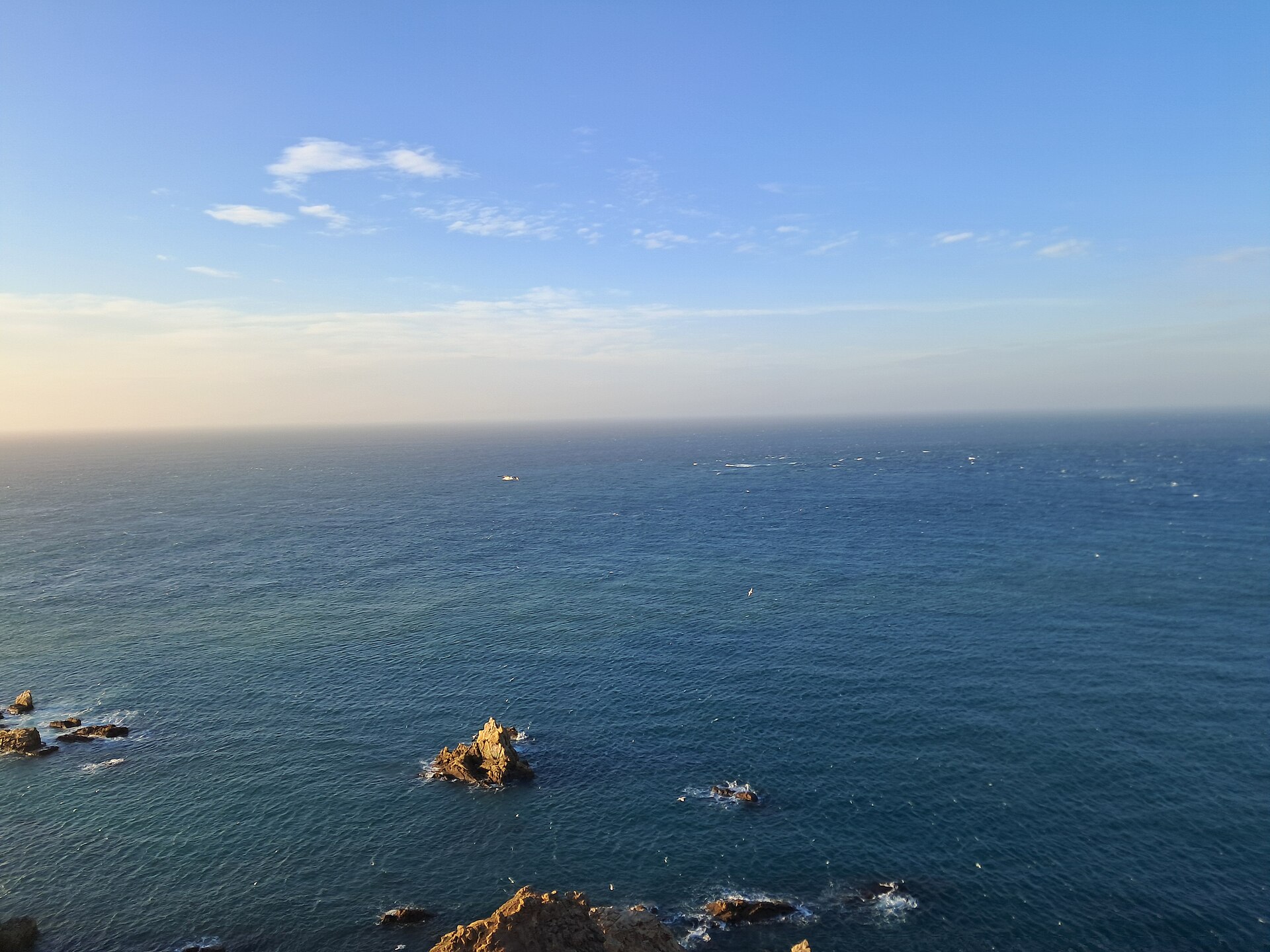
Natural and partly man-made caves linked in legend to Hercules. The sea-facing opening looks like an upside-down map of Africa – the classic photo.
Café Hafa
Duration: 1 hour
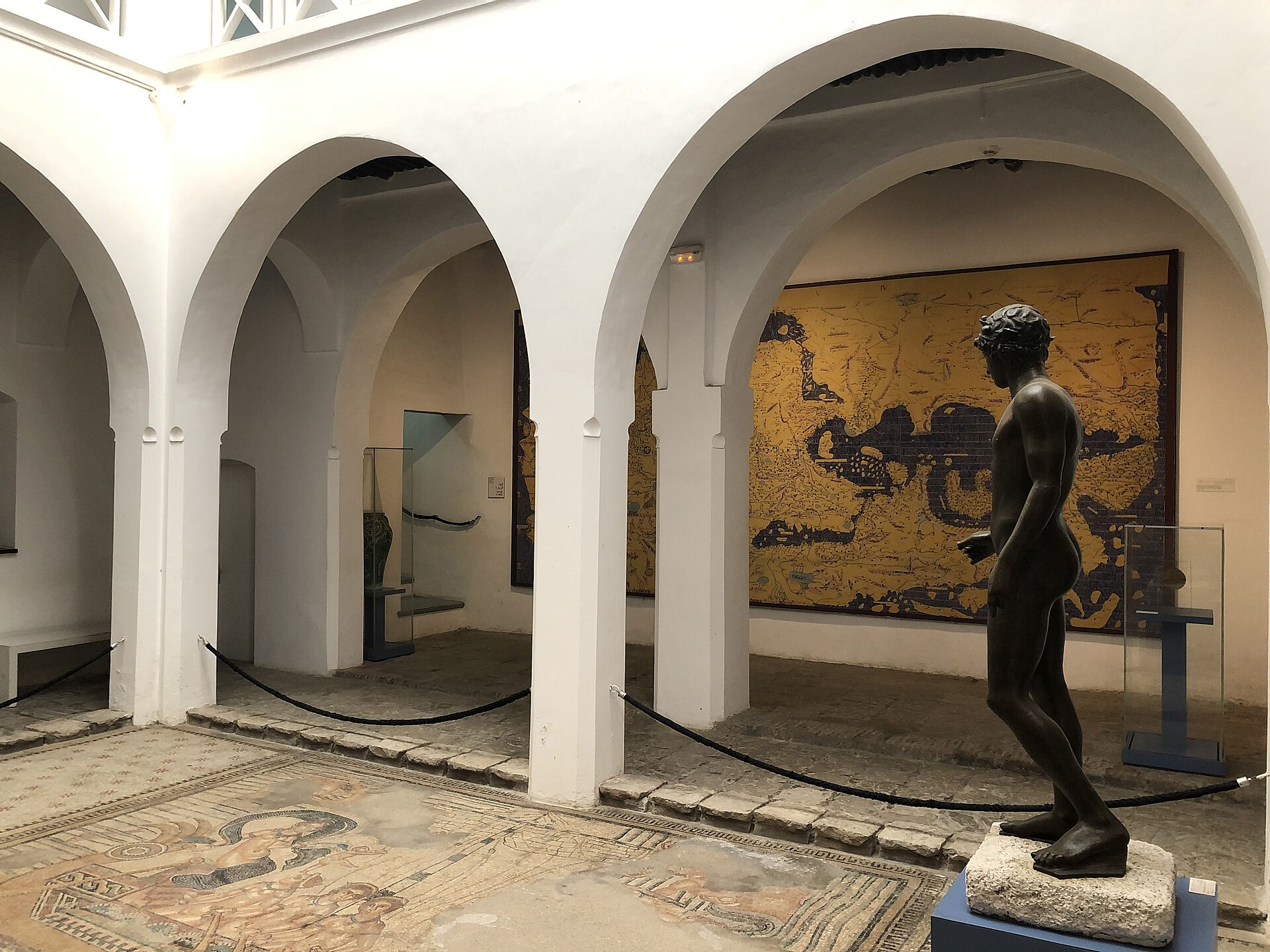
A simple terraced café on the cliffs, open since 1921, famous for mint tea, views of the Strait and the writers and musicians who came here.
Day 10: Explore Tangier – Gateway to Europe
Your last day is in Tangier, a city shaped by Africa and Europe, by sailors, diplomats and writers. You explore the kasbah, the medina and the old diplomatic quarter before your departure by ferry, plane or train. SCHEDULE (times are estimates and adapted to your departure time) 09:00 – Kasbah and Kasbah Museum (about 1.5 hours). 10:45 – Medina: Petit Socco and Grand Socco (about 1 hour). 12:00 – American Legation Museum (about 45 min, check opening). 13:00 – Lunch (not included). Afternoon – Transfer to Tangier port, airport or train station. GOOD TO KNOW • For the ferry to Spain, check whether it leaves from Tanger Ville (city port) or Tanger Med (about 45–60 min away); we plan the transfer accordingly. • Leave a buffer for traffic and check-in. INCLUDED TODAY: breakfast, private transfer to departure point. NOT INCLUDED TODAY: lunch, entrance fees, tips. WHAT YOU TAKE AWAY: the end of a journey through the history of northern Morocco, at the meeting point of two continents.
Tangier kasbah
Duration: 1.5 hours
The fortified upper town with the old sultan's palace (now the Kasbah Museum) and views over the port and the Strait. The lanes around it are quiet and photogenic.
Petit Socco and Grand Socco
Duration: 1 hour
Petit Socco is the small café square at the heart of the medina, once a meeting place for travellers and writers. Grand Socco is the busy square at the medina's entrance, near the Mendoubia gardens.
American Legation
Duration: 45 minutes
Given to the United States in 1821, it is often described as the first property the US owned abroad. Today it is a museum and cultural centre with art and history of Tangier.
Plan your trip
Best time to go
- March to May: warm days and green valleys, a great time for this trip.
- September to November: pleasant days and clear skies.
- December to February: mild, sunny days; cold nights in the mountains.
- June to August: hot inland; cooler on the coast and in the mountains.
Getting there
Make it yours
This is a private tour: we can add a night, change hotels or adjust the route to suit you.
Practical info
- Money: the Moroccan dirham (MAD). Cards work in cities and hotels; bring cash for villages, tips and souks.
- Plugs: type C and E (European), 220 V.
- Phone: a local SIM (Maroc Telecom, Orange or inwi) is cheap at the airport and works along the whole route.
- Visa: many nationalities (EU, UK, US, Canada, Australia) need none for up to 90 days. Check the rules for your passport before you go.
What to bring
- Comfortable shoes for the medinas and the dunes
- A scarf or hat, sunglasses and sunscreen
- Some cash in dirhams for tips and small purchases
- Clothes covering shoulders and knees for villages and religious sites
- Your passport (hotels ask for it at check-in)
Good to know
Cancellation policy
Full refund if you cancel at least 24 hours before the start. Cancellations less than 24 hours before are not refunded. If bad weather stops the tour, you get a new date or a full refund.
Accessibility
Not wheelchair accessible. Child seats or chairs available.
Frequently Asked Questions
Does this 10-day itinerary include the Sahara desert?
No. It focuses on northern Morocco: Fes, the Middle Atlas, Meknes, Volubilis, Chefchaouen, Tetouan and Tangier. If you want the Sahara, choose an itinerary that includes Merzouga.
Where does the tour start and end?
It starts in Fes (airport, train station or your accommodation) and ends in Tangier (port, airport, train station or hotel).
Are local guides included?
Your private driver handles all transport. Licensed local guides for Fes, Meknes, Volubilis, Tetouan and Tangier are optional and can be arranged when you book.
How much walking is there?
Medina walks are 2–3 hours on uneven streets and steps. The Akchour hike on Day 7 is 2 to 5 hours depending on the route you choose. All walking can be shortened.
Can we take the ferry to Spain at the end?
Yes. We drop you at Tanger Ville or Tanger Med port depending on your ferry. Allow enough time for check-in.
Which meals are included?
Breakfast and dinner each night. Lunches are not included so you can try local restaurants.
When is the best time for northern Morocco?
Spring (March to May) and autumn (September to November) are ideal. Summer is warm and busy in Chefchaouen and Akchour; winter is green but rainy and cold in the mountains.
Can the itinerary be changed?
Yes. Because the tour is private, you can swap days, add a night or skip an excursion. Tell us when booking.
Is it suitable for families with children?
Yes. Driving days are short and there is a mix of cities, nature and animals. Choose the easier Akchour route with young children.
Is this a private tour?
Yes. Only you and the people you book with travel in the vehicle, with your own driver for the ten days. You choose the start date and the pace, and there is no minimum group size.
How long are the drives each day?
Short. Most days have 1 to 3.5 hours on the road, and Days 1 and 6 have little or no driving. The longest leg is Day 5, from Meknes via Moulay Idriss to Chefchaouen, about 3–3.5 hours with a stop. You stay three nights in Fes and three in Chefchaouen, so there is little packing and unpacking.
What kind of accommodation is included?
You choose the level when you book. In Fes, Chefchaouen and Tetouan you stay in riads (traditional houses around a courtyard) where possible; in Meknes and Tangier in a riad or a comfortable hotel. All rooms have a private bathroom, and breakfast and dinner are included every night.
Can we add the Sahara desert to this trip?
Yes, as a longer custom itinerary. From Fes, the Merzouga dunes are about 7–8 hours by road; a common option is to add three days (Fes – Merzouga – Fes) before continuing north. Tell us when you book, and we'll suggest the best order and price.
How do I pay for this tour?
You can reserve with €20 now and pay the rest on the first day of the tour, or pay everything online when you book.
What is the cancellation policy?
Cancel at least 24 hours before the start for a full refund. If bad weather stops the tour, you get a new date or a full refund.
How far in advance should I book?
Spring (March to May) and autumn (September to November) are the busiest seasons, so book early for those months. You can reserve with €20 and still cancel for free up to 24 hours before.
Similar experiences
 PopularFes
3-Day Desert Tour from Fes to Merzouga and Back via Todra Gorge
5.0(1)
from €276 per person
 Fes
Chefchaouen Day Trip from Fes: A Day in the Blue City
from €46 per person
- Fes
Fes Pottery & Zellij Mosaic Workshop with Master Craftsmen
from €46 per person
 Fes
Day Trip from Fes to the Middle Atlas Mountains: Ifrane, Azrou and the Cedar Forest
from €46 per person